
Living in a smaller home doesn’t mean sacrificing style, comfort, or luxury. In fact, many of today’s most admired interiors belong to apartments, townhomes, condos, and compact houses where every square foot has been thoughtfully designed. The secret isn’t having more space—it’s knowing how to use the space you already have.
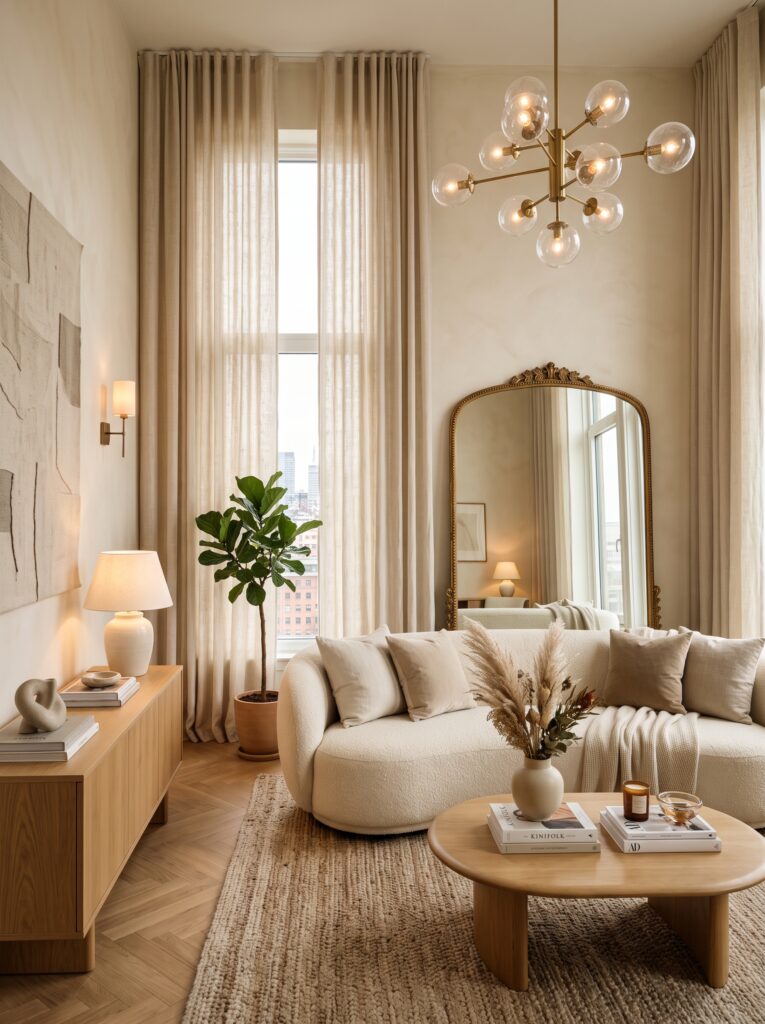
Professional interior designers understand that a well-planned small home can feel brighter, more open, and significantly more expensive than a larger home with poor design. Through smart furniture placement, layered lighting, intentional styling, and a cohesive color palette, even the smallest rooms can create a grand impression.
Whether you’re decorating a studio apartment, a cozy family home, or a modern townhouse, these designer styling rules will help you maximize space while creating an elegant, Pinterest-worthy interior.
Start With a Cohesive Color Palette
Color has a powerful impact on how spacious a room feels. One of the first things professional designers do is create a consistent palette throughout the home.
Instead of using a different color in every room, choose warm, neutral tones that flow naturally from one space to another.
Popular designer-approved shades include:
- Warm white
- Soft ivory
- Cream
- Light beige
- Greige
- Mushroom
- Sand
- Pale taupe
A cohesive palette creates visual continuity, making your home feel larger and more connected.
Let Natural Light Be the Star
Natural light is one of the most valuable design elements in any home, especially smaller spaces.
To maximize sunlight:
- Hang curtains close to the ceiling.
- Use sheer linen or lightweight fabrics.
- Keep windows free from bulky furniture.
- Add mirrors to reflect daylight.
- Choose light-colored walls and flooring.
Bright, naturally lit rooms instantly feel more spacious and welcoming.
Invest in Furniture That Fits the Room
Oversized furniture can overwhelm a compact room, while pieces that are too small can make the space feel unfinished.
Choose furniture with balanced proportions.
Designer favorites include:
- Curved sofas
- Slim-profile sectionals
- Round coffee tables
- Nesting tables
- Floating TV units
- Upholstered storage benches
- Open-leg furniture
Furniture with visible legs allows light to flow underneath, creating a lighter visual appearance.
Use Vertical Space Wisely
One of the biggest mistakes homeowners make is ignoring their walls.
Instead of adding more floor furniture, think vertically.
Ideas include:
- Floor-to-ceiling bookshelves
- Tall indoor plants
- Oversized artwork
- Vertical panel molding
- Floating shelves
- Hanging pendant lights
- Wall-mounted sconces
Drawing the eye upward creates the illusion of higher ceilings.
Layer Lighting Like a Designer
A single ceiling fixture rarely provides enough depth.
Professional designers layer multiple light sources to create warmth and dimension.
Include:
- Table lamps
- Floor lamps
- Wall sconces
- Accent lighting
- LED shelf lighting
- Picture lights
Always choose warm white bulbs to create a cozy atmosphere.
Lighting transforms the mood of a room while highlighting textures and architectural details.
Choose Multi-Functional Furniture
Every piece of furniture should work harder in a smaller home.
Excellent space-saving options include:
- Storage ottomans
- Lift-top coffee tables
- Extendable dining tables
- Beds with built-in drawers
- Console tables with shelving
- Foldable desks
- Modular seating
These solutions increase functionality without creating clutter.
Keep Decor Intentional
Luxury interiors are carefully edited.
Instead of filling every surface with decorative objects, display only meaningful, high-quality pieces.
Designer-approved decor includes:
- Sculptural vases
- Coffee table books
- Handmade ceramics
- Stone trays
- Framed artwork
- Fresh greenery
- Decorative bowls
Leaving empty space between objects creates a more sophisticated look.
Add Texture Instead of More Color
Rather than introducing many different colors, layer natural textures.
Combine:
- Linen curtains
- Bouclé chairs
- Wool rugs
- Cotton throws
- Oak furniture
- Woven baskets
- Marble accessories
- Ceramic decor
Texture creates visual richness while maintaining a calm and elegant atmosphere.
Use Mirrors to Expand the Space
Mirrors are one of the oldest designer tricks for making rooms feel larger.
Place mirrors:
- Opposite windows
- Behind console tables
- Above fireplaces
- In dining rooms
- Along narrow hallways
Large mirrors reflect light and create the illusion of additional space.
Keep Floors Visible
A crowded floor makes any room feel smaller.
Choose furniture with exposed legs and avoid unnecessary floor accessories.
Leave enough walking space between furniture pieces to improve flow and functionality.
Style Open Shelves Thoughtfully
Open shelving should never appear overcrowded.
A balanced arrangement includes:
- Decorative books
- Ceramic vases
- Small plants
- Framed photos
- Woven baskets
- Sculptural decor
Alternate heights, shapes, and textures while leaving some shelves partially empty.
Negative space is an important part of luxury styling.
Incorporate Natural Materials
Organic materials add warmth and timeless beauty.
Popular choices include:
- White oak
- Walnut
- Travertine
- Marble
- Linen
- Cotton
- Leather
- Rattan
These materials make even simple spaces feel high-end.
Create Defined Zones
Open-concept homes benefit from subtle room divisions.
Use:
- Area rugs
- Lighting
- Furniture placement
- Console tables
- Accent chairs
These elements help define living, dining, and working areas without building walls.
Keep Clutter Hidden
Visual clutter instantly makes a home feel smaller.
Designer organization ideas include:
- Woven baskets
- Decorative storage boxes
- Built-in cabinets
- Closed media consoles
- Drawer organizers
- Floating cabinets
A clean environment allows architectural features and decor to stand out.
Add One Statement Piece Per Room
Every room should have one focal point.
Examples include:
- Oversized artwork
- Curved sofa
- Large mirror
- Designer pendant light
- Stone coffee table
- Upholstered bed
- Sculptural floor lamp
A strong focal point creates visual interest while preventing the room from feeling busy.
Common Small Home Decorating Mistakes
Avoid these common design errors:
- Buying furniture that’s too large
- Blocking natural light
- Hanging curtains too low
- Overcrowding shelves
- Using too many accent colors
- Ignoring vertical space
- Poor lighting
- Filling every corner with decor
A thoughtfully edited room almost always feels larger than one filled with unnecessary items.
Why Small Home Ideas Are So Popular on Pinterest
Millions of homeowners across the United States search for practical decorating ideas that maximize space without sacrificing style. Small home content performs exceptionally well because it’s relatable, achievable, and visually inspiring.
Pinterest users love before-and-after transformations, smart storage ideas, cozy apartment styling, and designer-inspired decorating tips. Pins that showcase bright interiors, neutral palettes, layered textures, and multifunctional furniture often receive high engagement because they solve real decorating challenges.
This makes small home styling one of the strongest evergreen categories for home decor creators targeting the US market.
Conclusion
A beautiful home isn’t measured by square footage—it’s defined by thoughtful design. With the right styling techniques, even the smallest apartment or compact house can feel open, elegant, and luxurious.
By embracing natural light, choosing furniture with purpose, layering textures, maintaining a cohesive color palette, and eliminating unnecessary clutter, you’ll create a home that feels far more spacious than its actual size.
Remember, the most impressive interiors aren’t the biggest—they’re the ones that feel intentional, comfortable, and beautifully balanced. When every design choice serves a purpose, your small home can leave a grand and lasting impression.
- Elegant Fall Staircase Decor Ideas for a Sophisticated Autumn Home
- Beautiful Laundry Room Ideas That Make Everyday Home Organization Feel Luxurious
- How to Create a Cozy and Elegant Home Library That Feels Like a Private Retreat
- Elegant Dining Table Decor Ideas That Make Everyday Meals Feel Expensive
- How to Create an Elegant Home Music Room That Feels Sophisticated and Personal