
Walk into any professionally designed home, and you’ll notice something almost every luxury interior has in common: beautifully styled shelves. Whether they’re built into a living room, displayed in a home office, or floating above a kitchen counter, shelves have become more than just storage—they’re a design statement.
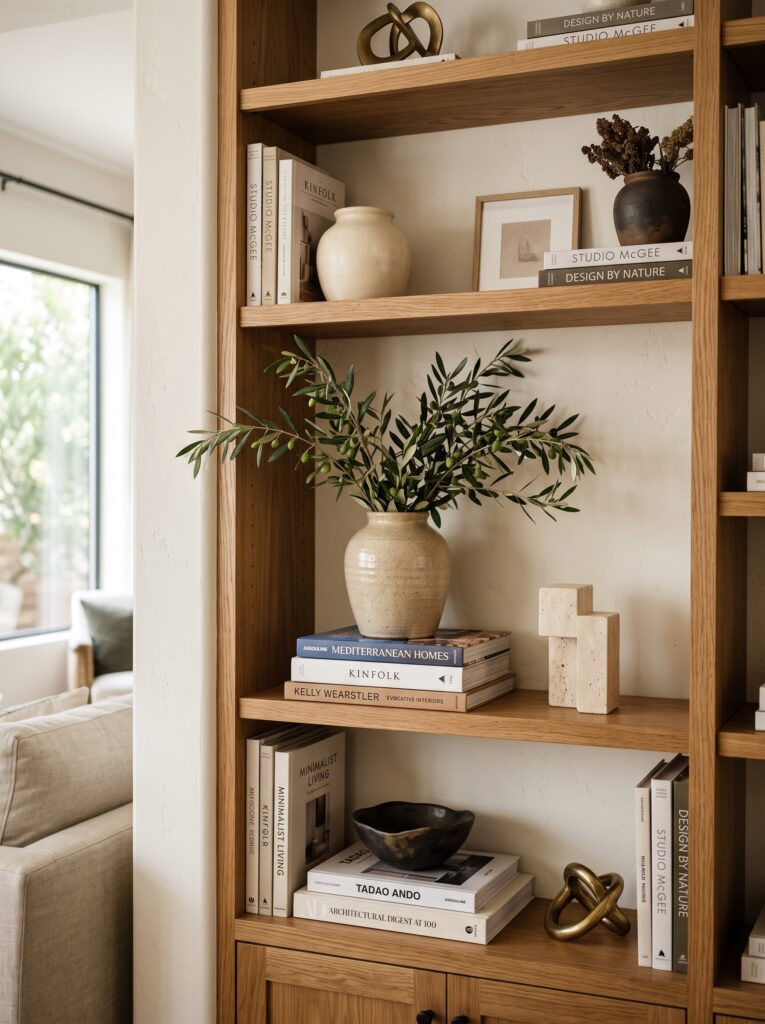
The difference between shelves that look cluttered and shelves that look like they belong in a luxury magazine often comes down to a few simple styling principles. Interior designers carefully balance height, texture, color, and negative space to create displays that feel curated rather than crowded.
The good news? You don’t need custom cabinetry or expensive décor to achieve the same effect. With thoughtful styling and a few timeless pieces, you can transform ordinary shelves into elegant focal points that make your entire home feel more sophisticated.
This guide shares the exact designer shelf styling rules that will help every room in your home look polished, intentional, and expensive.
Why Shelf Styling Matters
Shelves naturally attract attention because they sit at eye level. Poorly organized shelves can make an entire room feel chaotic, while thoughtfully styled shelves create balance and visual harmony.
Well-styled shelves help:
- Showcase your personality
- Display meaningful objects
- Reduce visual clutter
- Add architectural interest
- Create balance in a room
- Make a home feel professionally designed
Rather than filling every inch of space, designer shelves focus on intentional placement and storytelling.
Start with a Clean Slate
Before adding a single decorative item, remove everything from your shelves.
Starting fresh allows you to:
- See the available space
- Evaluate proportions
- Remove unnecessary clutter
- Build a cohesive display from scratch
Clean the shelves thoroughly and decide on a general color palette before styling.
Choose a Consistent Color Palette
Luxury shelves rarely feature random colors. Instead, they follow a restrained palette that complements the rest of the room.
Popular combinations include:
- Warm white and oak
- Beige and black
- Soft gray and brass
- Cream and walnut
- Ivory and natural stone
- Taupe with muted greens
Keeping your accessories within two to four main colors creates a cohesive, high-end appearance.
Mix Decorative and Functional Pieces
The most interesting shelves combine beauty with purpose.
Include a mix of:
- Books
- Decorative boxes
- Sculptures
- Ceramic vases
- Picture frames
- Plants
- Candles
- Baskets
This blend keeps shelves practical while maintaining visual interest.
The Rule of Three
Interior designers frequently style objects in groups of three because odd-numbered arrangements feel more natural and balanced.
For example:
- A vase
- A stack of books
- A candle
Or:
- A sculpture
- A framed photo
- A small plant
These groupings create movement and prevent displays from feeling overly symmetrical.
Vary Heights and Shapes
Shelves look flat when every object is the same size.
Instead, combine:
- Tall vases
- Medium sculptures
- Small candles
- Horizontal books
- Vertical books
- Round bowls
- Square boxes
Mixing heights creates rhythm and draws the eye across the shelf.
Layer Your Décor
Professional designers rarely place objects in a single straight line.
Instead, layer pieces by positioning smaller items slightly in front of larger ones.
For example:
- Lean framed artwork against the wall.
- Place a vase in front of the artwork.
- Add a candle beside the vase.
This technique creates depth and makes shelves feel more dynamic.
Use Coffee Table Books
Beautiful books instantly elevate shelves.
Choose books with attractive covers related to:
- Interior design
- Fashion
- Travel
- Art
- Architecture
- Photography
Stack books horizontally to create platforms for smaller decorative items.
Vertical books can also help break up larger displays.
Add Natural Elements
Luxury interiors always include something organic.
Popular choices include:
- Olive branches
- Eucalyptus
- Small potted plants
- Dried flowers
- Moss bowls
- Wooden beads
Natural textures soften shelves and add warmth.
Introduce Sculptural Objects
Sculptural décor creates visual interest without adding clutter.
Examples include:
- Marble knots
- Ceramic arches
- Stone spheres
- Abstract figures
- Wooden chains
Choose pieces with simple forms and neutral colors for a timeless look.
Don’t Fill Every Shelf
One of the biggest mistakes homeowners make is trying to decorate every inch of available space.
Leave empty areas between objects.
This “negative space” gives the eye room to rest and makes each item feel more important.
In luxury interiors, less almost always feels like more.
Balance Open and Closed Storage
If your shelves include cabinets, use them strategically.
Display attractive items on open shelves while hiding less attractive necessities inside cabinets.
This balance creates a clean, organized appearance without sacrificing functionality.
Incorporate Texture
Texture makes neutral shelves feel rich and inviting.
Layer materials such as:
- Linen
- Bouclé
- Travertine
- Marble
- Oak
- Woven seagrass
- Ceramic
- Glass
Mixing textures prevents shelves from looking flat even when using a limited color palette.
Use Artwork as a Styling Element
Shelves aren’t just for objects.
Leaning framed artwork against the back of the shelf creates depth while adding personality.
Choose:
- Abstract prints
- Landscape photography
- Botanical sketches
- Black-and-white photography
Oversized pieces often create more impact than several small frames.
Rotate Seasonal Accessories
Keeping shelves fresh doesn’t require a complete redesign.
Simple seasonal updates include:
Spring
- Fresh flowers
- Light ceramics
- Green branches
Summer
- Coastal artwork
- Woven baskets
- Blue glass accents
Fall
- Amber glass
- Wooden beads
- Dried grasses
Winter
- Candles
- Evergreen stems
- Stone accessories
Rotating a few items each season keeps your shelves feeling current.
Add Soft Lighting
Lighting makes styled shelves feel warm and luxurious.
Consider:
- Battery-operated picture lights
- Small table lamps
- LED strip lighting
- Rechargeable accent lights
Warm lighting highlights textures while creating a cozy atmosphere during the evening.
Styling Different Types of Shelves
Living Room Built-Ins
Combine books, artwork, ceramics, and greenery with plenty of open space.
Kitchen Floating Shelves
Display matching dishes, glassware, cutting boards, and small plants.
Home Office Shelves
Mix books with awards, framed photos, and sculptural décor.
Bedroom Shelves
Keep styling minimal with candles, books, ceramics, and calming artwork.
Bathroom Shelves
Use rolled towels, glass jars, bath salts, and eucalyptus for a spa-inspired look.
Common Shelf Styling Mistakes
Avoid these common errors:
- Overcrowding every shelf
- Using too many colors
- Displaying random souvenirs
- Ignoring scale
- Lining objects in a straight row
- Using only small décor
- Forgetting greenery
- Filling every shelf equally
A little restraint goes a long way.
Budget-Friendly Shelf Styling Tips
Creating luxury shelves doesn’t require expensive shopping trips.
Affordable ideas include:
- Shop thrift stores for ceramics
- Use printable artwork
- Repurpose books you already own
- Collect branches from your yard
- Paint old frames in neutral colors
- Mix inexpensive décor with one or two statement pieces
Focus on thoughtful styling rather than expensive accessories.
Shelf Styling Essentials Checklist
To create a balanced display, include:
- Coffee table books
- Ceramic vase
- Small plant
- Decorative box
- Candle
- Sculptural object
- Framed artwork
- Woven basket
- Marble or travertine tray
- Wooden beads
These timeless items work in nearly every decorating style.
Why This Trend Will Never Go Out of Style
Shelf styling isn’t just a decorating trend—it’s a timeless design principle. Beautifully styled shelves make homes feel collected rather than cluttered, adding warmth, personality, and sophistication without overwhelming a room.
As homeowners continue embracing Quiet Luxury, Organic Modern, and Minimalist Living, shelf styling will remain one of the easiest ways to create a high-end look using thoughtful, intentional décor.
Conclusion
Designer shelf styling is less about buying expensive decorations and more about understanding balance, proportion, and simplicity. By choosing a cohesive color palette, layering textures, embracing negative space, and displaying meaningful objects with intention, you can create shelves that look elegant, timeless, and professionally designed.
Whether you’re styling built-in bookcases, floating shelves, or a single wall niche, remember that every item should have a purpose. Curated shelves tell a story, reflect your personality, and quietly elevate your entire home.
With just a few carefully chosen pieces and these designer-approved styling rules, you can transform ordinary shelving into one of the most beautiful features in your home—proving that true luxury is found in thoughtful details, not excess.
- Outdoor Patio Ideas for a Cozy Late-Summer to Fall Transition
- Laundry Room Organization Ideas That Look Beautiful and Built-In
- Staircase Wall Decor Ideas: How to Create a Collected Gallery Look
- Library-Inspired Home Office Ideas That Make Working From Home Feel Luxurious
- Chocolate Brown Dining Table Ideas for a Warm and Elegant Fall Home