
Have you ever wondered why some homes instantly feel polished, balanced, and luxurious while others seem unfinished—even when they have expensive furniture? The answer isn’t a bigger budget or a professional renovation. Interior designers rely on one simple decorating principle that transforms ordinary rooms into magazine-worthy spaces: visual balance.
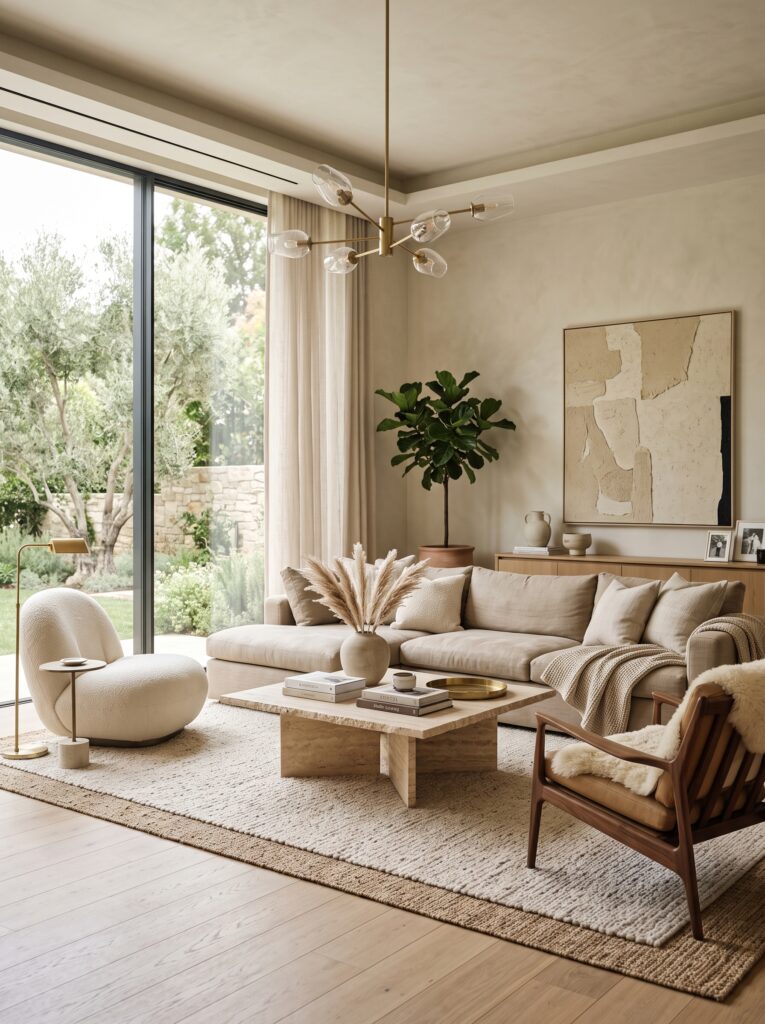
Visual balance is the art of arranging furniture, colors, textures, lighting, and decorative objects so that every part of a room feels connected. When a space is balanced, nothing looks out of place, and your eyes naturally move around the room without feeling overwhelmed. This is the secret that makes professionally designed interiors look effortless.
The best part? You don’t need to hire an interior designer to use this technique. Whether you’re decorating a small apartment, a family home, or a luxury condo, understanding visual balance can completely change the way your home looks and feels.
What Is Visual Balance?
Visual balance refers to the way objects are distributed throughout a room to create harmony. It isn’t about making both sides of a room identical. Instead, it’s about ensuring that no single area feels too heavy, too empty, or disconnected from the rest of the space.
Professional designers think of every room as a composition. They consider the size of furniture, the placement of lighting, the colors used, and even the amount of empty space. When these elements work together, the room immediately feels more sophisticated.
Balanced rooms are comfortable to live in because they naturally create a sense of order and calm.
Why Designer Homes Always Feel More Expensive
Luxury homes rarely contain more furniture than necessary. Instead, they focus on proportion and placement.
A well-balanced room allows statement pieces to shine without competing for attention. A beautiful sofa is paired with a coffee table of the right scale. Large artwork is balanced by simple accessories. Lighting is layered so that every corner feels warm and inviting.
This thoughtful arrangement creates the impression of quality and refinement, even when the decor itself is affordable.
Start With a Strong Focal Point
Every professionally designed room begins with a focal point. This is the first thing people notice when they enter the space.
A focal point could be:
- A fireplace
- An oversized piece of artwork
- A large picture window
- A statement sofa
- A beautiful dining table
- A dramatic light fixture
- A custom headboard
- Built-in shelving
Once the focal point is established, everything else in the room supports it rather than competing with it.
Without a focal point, rooms often feel random and unfinished.
Choose Furniture That Fits the Room
One of the most common decorating mistakes is selecting furniture that is either too large or too small.
Oversized furniture can overwhelm a room, while tiny furniture makes even large spaces feel awkward.
Interior designers carefully measure each room before choosing furniture. They leave enough walking space while ensuring that every piece feels proportional.
As a general rule:
- Use large rugs that allow the front legs of furniture to sit on them.
- Leave comfortable pathways between furniture.
- Avoid filling every corner simply because there is space available.
- Let statement pieces breathe.
Proper scale instantly creates a more luxurious appearance.
Layer Different Heights
Rooms become visually interesting when objects vary in height.
Instead of placing everything at the same level, designers combine:
- Floor lamps
- Table lamps
- Tall indoor plants
- Oversized mirrors
- Medium-height furniture
- Low coffee tables
- Decorative vases
- Artwork
These varying heights guide the eye naturally throughout the room and prevent the space from feeling flat.
Mix Textures for Depth
A room decorated in only one material often feels lifeless.
Luxury interiors combine multiple textures to create richness and comfort.
Popular combinations include:
- Linen with velvet
- Oak wood with marble
- Bouclé with leather
- Wool with cotton
- Glass with natural stone
- Woven baskets with ceramics
Although the color palette remains simple, the variety of textures adds depth and sophistication.
Keep the Color Palette Consistent
Professional designers rarely use too many colors in one room.
Instead, they choose a cohesive palette and repeat those shades throughout the space.
A timeless combination might include:
- Warm ivory walls
- Cream upholstery
- Oak wood furniture
- Mushroom taupe textiles
- Olive green plants
- Matte black accents
- Brushed brass lighting
Repeating colors creates flow, making the room feel intentional rather than random.
Use the Rule of Three
The Rule of Three is one of the oldest styling techniques in interior design.
Objects grouped in odd numbers naturally look more balanced than even-numbered arrangements.
For example, style a coffee table with:
- A stack of books
- A ceramic vase
- A scented candle
Or decorate a console table with:
- A table lamp
- A decorative bowl
- A framed piece of art
This simple trick makes displays feel effortless and professionally styled.
Layer Your Lighting
Lighting has the power to completely change how a room feels.
Rather than relying on one ceiling fixture, create layers of light using:
- Ceiling lights
- Table lamps
- Floor lamps
- Wall sconces
- Accent lighting
- Candles
Warm lighting creates shadows and depth, making furniture and decor appear richer and more inviting.
Leave Empty Space
One of the biggest secrets in luxury interior design is knowing when to stop decorating.
Not every wall needs artwork.
Not every shelf needs accessories.
Not every corner needs furniture.
Empty space allows important pieces to stand out and prevents rooms from feeling cluttered.
Designers often say that negative space is just as valuable as decoration itself.
Add Natural Elements
Beautiful homes always include nature.
Large indoor plants, fresh flowers, olive branches, wooden furniture, woven baskets, and natural stone accessories soften modern interiors and create warmth.
Natural materials also age beautifully, making them excellent long-term investments.
Small Details That Make a Big Difference
Professional designers pay close attention to finishing touches.
Simple upgrades include:
- Replacing outdated cabinet hardware.
- Hanging curtains closer to the ceiling.
- Using oversized mirrors.
- Styling bookshelves with fewer objects.
- Choosing warm white light bulbs.
- Adding textured throw blankets.
- Incorporating quality area rugs.
- Displaying meaningful artwork.
These small improvements often have a greater impact than purchasing expensive new furniture.
How to Apply This Trick in Every Room
Living Room
Anchor the room with a large area rug, create a focal point around the sofa or fireplace, layer lighting, and keep accessories minimal.
Bedroom
Center the bed with matching nightstands, use layered bedding, hang curtains high, and choose oversized artwork above the headboard.
Kitchen
Balance open shelves with both decorative and practical items, add pendant lighting, and repeat finishes like brass or matte black throughout the space.
Bathroom
Use rolled towels, stone trays, candles, greenery, and warm lighting to create a spa-inspired atmosphere.
Entryway
Place an oversized mirror above a console table, add a table lamp, a decorative bowl, and a tall vase with fresh greenery to create an inviting first impression.
Conclusion
The one decorating trick that makes every room look professionally designed is visual balance. It is the foundation of every beautiful home, regardless of style or budget. By creating a clear focal point, choosing furniture with the right proportions, layering textures, using a consistent color palette, and leaving enough breathing room, you can transform any space into one that feels polished, elegant, and timeless.
Remember that great interior design is never about filling a room with expensive furniture or following every new trend. It is about making thoughtful choices that work together to create harmony. When every element has a purpose and every detail contributes to the overall atmosphere, your home naturally feels more luxurious, welcoming, and professionally designed.
Whether you’re refreshing a single room or decorating an entire home, applying these timeless design principles will help you create spaces that not only look stunning in photos but also feel comfortable and inspiring every day. That’s the true secret behind designer homes—and now it’s a trick you can use in your own home.
- Outdoor Patio Ideas for a Cozy Late-Summer to Fall Transition
- Laundry Room Organization Ideas That Look Beautiful and Built-In
- Staircase Wall Decor Ideas: How to Create a Collected Gallery Look
- Library-Inspired Home Office Ideas That Make Working From Home Feel Luxurious
- Chocolate Brown Dining Table Ideas for a Warm and Elegant Fall Home