
Organic modern home decor has become one of the most appealing interior design styles for homeowners who want their spaces to feel sophisticated without looking overly decorated. The aesthetic combines the clean lines of modern design with the warmth of natural materials, creating rooms that feel peaceful, comfortable, and effortlessly elegant.
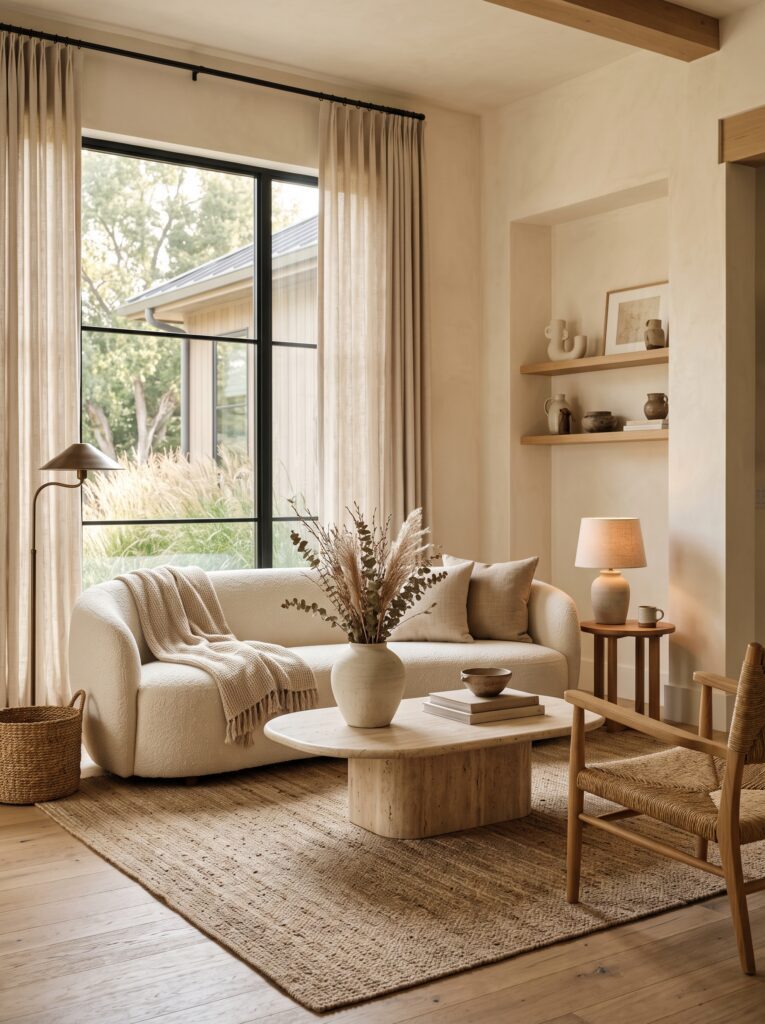
Unlike stark minimalism, organic modern interiors are not completely empty or cold. Instead, they use carefully selected furniture, natural textures, earthy colors, soft lighting, and handcrafted accents to create a balanced environment. The result is a home that feels modern enough to look polished but warm enough to feel genuinely lived in.
For homeowners in the United States who are looking for timeless decorating ideas, organic modern style is particularly versatile. It can work in a suburban house, city apartment, small condo, open-concept home, or spacious family residence. You can also introduce this aesthetic gradually without replacing everything in your home.
What Is Organic Modern Home Decor?
Organic modern design is an interior style that combines contemporary simplicity with natural, earthy elements. Clean architectural lines are softened with materials such as oak, linen, stone, rattan, wool, clay, and wood.
The color palette usually stays within warm neutrals, including ivory, cream, beige, taupe, sand, warm white, soft brown, muted green, and earthy gray. Rather than relying on bold colors, the style creates visual interest through texture and variation.
A typical organic modern room might include a curved upholstered sofa, a natural wood coffee table, a textured rug, linen curtains, a stone accent table, handmade pottery, and one or two sculptural decorative objects.
The key is restraint. Every piece should have a purpose, either functional or decorative.
Why Organic Modern Style Works So Well in American Homes
One reason organic modern decor is so versatile is that it complements many common American home layouts.
Open-concept living and dining areas can benefit from the style because natural materials create continuity between different zones. Smaller apartments can also use organic modern principles because the restrained color palette makes spaces feel visually open.
The style also works particularly well with existing architectural features. Hardwood floors, exposed beams, large windows, fireplaces, neutral walls, and natural stone can all become part of the overall design rather than being covered up.
Another advantage is longevity. Unlike highly specific decorating trends, organic modern interiors rely heavily on timeless materials and neutral colors. This makes it easier to update accessories seasonally without completely redesigning the room.
The Best Organic Modern Color Palette
Color is one of the most important elements of organic modern interior design.
Start with a warm neutral foundation. Cream, warm white, beige, mushroom, taupe, and soft sand are excellent choices for walls and larger furniture.
Then introduce slightly deeper shades through wood, rugs, artwork, and accessories.
Popular Organic Modern Colors
- Warm ivory
- Cream
- Oatmeal
- Sand
- Beige
- Taupe
- Mushroom
- Warm gray
- Caramel
- Walnut brown
- Soft olive
- Muted sage
- Terracotta
The goal is not to make everything the exact same color. Instead, create subtle contrast between different shades.
For example, a cream sofa can look beautiful against a warm beige wall, while a walnut table adds depth. A muted olive plant or ceramic accessory can provide a small amount of color without disrupting the calm atmosphere.
Natural Materials That Define the Look
Natural materials are at the heart of organic modern decorating.
Natural Wood
Oak, walnut, ash, and other warm wood tones can instantly make a modern room feel more inviting. Choose furniture with visible grain whenever possible.
A natural wood dining table, walnut console, oak shelving, or wooden side table can become an important visual anchor.
Linen
Linen curtains, bedding, pillow covers, and upholstery introduce softness and subtle texture.
Floor-to-ceiling linen curtains are especially effective because they make windows feel taller and allow natural light to become part of the design.
Stone
Travertine, limestone, marble, and other natural stone surfaces can add an architectural quality to an organic modern interior.
A small travertine side table or stone tray can be enough to introduce this material without making the room feel too formal.
Rattan and Woven Materials
Woven baskets, rattan chairs, cane details, and natural fiber accessories bring additional texture.
These materials are particularly useful when a room contains a lot of smooth modern surfaces.
Clay and Ceramics
Handmade-looking pottery, sculptural vases, ceramic bowls, and textured vessels can add personality while maintaining the natural aesthetic.
How to Create an Organic Modern Living Room
The living room is one of the easiest places to introduce this decorating style.
Start with a comfortable sofa in cream, beige, oatmeal, or another warm neutral. Instead of selecting a matching furniture set, combine complementary pieces.
Add a natural wood or stone coffee table. A rounded or irregular shape can soften a room filled with straight architectural lines.
Next, introduce a large textured rug. This helps define the seating area and adds warmth underfoot.
Layer pillows using different materials rather than relying on multiple patterns. Linen, cotton, boucle, wool, and woven fabrics can create visual interest while maintaining a calm appearance.
Complete the room with a few sculptural accessories, indoor plants, artwork, and warm lighting.
The finished room should feel comfortable rather than staged.
Organic Modern Bedroom Ideas
An organic modern bedroom should feel restful and uncluttered.
Choose layered bedding in ivory, cream, beige, or oatmeal. Add a textured throw at the foot of the bed and use pillows in different fabrics.
A natural wood nightstand can balance an upholstered bed or fabric headboard. Instead of using identical decorative objects on every surface, select a few meaningful pieces such as a ceramic lamp, small vase, or framed artwork.
Lighting is especially important in the bedroom. Warm bedside lamps, soft wall lights, and dimmable fixtures can create a relaxing atmosphere in the evening.
For windows, choose lightweight linen curtains that filter sunlight rather than completely blocking it.
Organic Modern Kitchen Ideas
Organic modern design can make a kitchen feel sophisticated while remaining highly functional.
Warm wood cabinetry is an excellent starting point. If you already have white cabinets, you can introduce organic modern elements through wood cutting boards, woven baskets, ceramic containers, natural stone accessories, and warm lighting.
Countertops in marble, quartz, limestone-inspired finishes, or other natural-looking materials can complement the aesthetic.
Avoid overcrowding the countertops. A small collection of attractive objects can look more intentional than dozens of decorative items.
Try styling one area with a wooden cutting board, ceramic bowl, olive oil bottle, and a small vase of greenery.
Organic Modern Dining Room
In the dining room, a substantial natural wood table can become the focal point.
Pair it with upholstered, woven, or curved dining chairs rather than choosing an overly coordinated set.
A sculptural pendant light above the table can add personality without requiring extensive decoration.
Keep the centerpiece simple. A low ceramic bowl, a few branches, or a small arrangement of seasonal greenery can provide enough visual interest.
This approach works especially well for American homes where the dining room may also be used for family gatherings, holidays, and entertaining.
How to Use Curved Furniture
Curved furniture is an easy way to make organic modern spaces feel softer.
Rounded sofas, curved armchairs, oval coffee tables, arched mirrors, and circular lighting fixtures can break up the rigid geometry found in many contemporary homes.
However, you do not need curves everywhere.
One or two curved pieces are often enough.
For example, combine a rectangular natural wood coffee table with a rounded accent chair. This creates contrast while keeping the overall room balanced.
Lighting for an Organic Modern Home
Lighting can completely change the appearance of neutral interiors.
Instead of relying on a single ceiling fixture, create layers.
Use overhead lighting for general illumination, floor lamps for ambient light, table lamps for focused areas, and accent lighting to highlight artwork or architectural features.
Warm-toned bulbs generally work well with the earthy materials used in organic modern interiors.
During the daytime, maximize natural light by keeping windows relatively unobstructed and choosing light-filtering fabrics.
At night, warm pools of light can make wood, linen, stone, and textured surfaces appear much richer.
Organic Modern Decor on a Budget
You do not need a major renovation to achieve this aesthetic.
Start with inexpensive changes that have a large visual impact.
Replace overly busy throw pillows with neutral textured covers. Add a woven basket for storage. Introduce a natural wood tray. Replace artificial-looking accessories with simple ceramics. Add a large neutral rug or linen-style curtains when your budget allows.
Plants can also make a significant difference.
A large indoor plant in a simple ceramic or woven planter can become a natural focal point while adding color and life to an otherwise neutral room.
Another budget-friendly approach is to rearrange existing furniture.
Remove unnecessary pieces, create more breathing room, and group decorative objects into intentional arrangements.
Sometimes the most luxurious-looking room is simply the room with less visual clutter.
Common Organic Modern Decorating Mistakes
Although organic modern interiors look effortless, there are a few mistakes that can make the style feel flat.
Using Only Beige
A room filled entirely with identical beige tones can look dull.
Add variation through cream, taupe, warm brown, muted green, natural wood, and different textures.
Making Everything Too Minimal
Organic modern does not mean completely empty.
Books, plants, artwork, ceramics, textiles, and personal objects can make the space feel authentic.
Mixing Too Many Materials
Natural materials are important, but using every possible texture at once can create visual chaos.
Choose a small group of complementary materials and repeat them throughout the room.
Choosing Cold Lighting
Cool white lighting can make warm neutral interiors feel harsh.
Use warm lighting to support the cozy atmosphere.
Buying Matching Furniture Sets
A completely matching furniture collection can make a room feel generic.
Mix pieces with similar tones and proportions instead.
How to Make Organic Modern Decor Feel More Expensive
The expensive look usually comes from proportion and editing rather than price.
Choose fewer decorative objects, but make sure each one looks intentional.
Oversized artwork can create a stronger impression than several tiny frames. Floor-to-ceiling curtains can make a room feel more architectural. A substantial rug can make inexpensive furniture look more grounded.
Large plants, sculptural lighting, natural wood, and textured fabrics can also create a designer-inspired appearance.
The most important principle is to avoid visual clutter.
Give furniture and accessories enough space around them so each element can be appreciated.
Organic Modern Decor for Small Spaces
This aesthetic is especially effective in apartments and smaller homes.
Use a restrained palette to make the space feel cohesive. Choose furniture with simple silhouettes and avoid pieces that visually overwhelm the room.
A round coffee table can improve circulation in a compact living room. Wall-mounted shelving can provide storage without taking up floor space.
Use baskets to hide everyday items and keep open shelving carefully edited.
Mirrors can also help reflect natural light and create a greater sense of openness.
Seasonal Organic Modern Decorating
One advantage of this style is that you can update it seasonally without changing the entire room.
For spring, introduce fresh greenery, lightweight fabrics, and soft botanical accents.
For summer, use linen, woven textures, pale wood, and fresh flowers.
For fall, add caramel, rust, warm brown, and deeper natural tones.
For winter, introduce wool, boucle, chunky blankets, candles, and richer wood accents.
Keep the main furniture neutral and change smaller accessories throughout the year.
Conclusion
Organic modern home decor offers a beautiful balance between contemporary design and natural comfort. By combining warm neutrals with wood, stone, linen, ceramics, woven textures, greenery, and thoughtful lighting, you can create a home that feels sophisticated without becoming cold or overly formal.
The most successful organic modern interiors are not about purchasing every trendy item. They are about creating balance. Choose furniture with clean but comfortable shapes, introduce natural materials, layer different textures, keep clutter under control, and allow your home to retain some personality.
Whether you are refreshing a small apartment, decorating a family home, upgrading a bedroom, or simply looking for an easier way to make your home feel more elevated, organic modern decorating provides a flexible foundation. Start with one room, build a warm neutral palette, introduce a few natural materials, and gradually layer in pieces that make the space feel like your own.
The result can be a home that looks beautifully designed while still feeling relaxed, welcoming, and genuinely comfortable—exactly the combination that makes organic modern interiors so appealing for today’s homeowners.
- Moody Blue Room Ideas for a Sophisticated Cozy Home
- White Oak and Black Kitchen Ideas for a Modern Timeless Home
- The Garden Patio Ideas That Make Outdoor Spaces Feel Magical
- Dark Cottagecore Kitchen Ideas With Timeless Charm
- Warm Wood Kitchen Ideas That Make a Home Feel Instantly Expensive