
A bedroom should feel like more than just a place to sleep. It should be a private retreat where you can slow down, relax, and feel completely comfortable at the end of the day. If you want to give your bedroom a dramatic yet sophisticated makeover without replacing every piece of furniture, color drenching is one of the most beautiful interior design ideas to try.
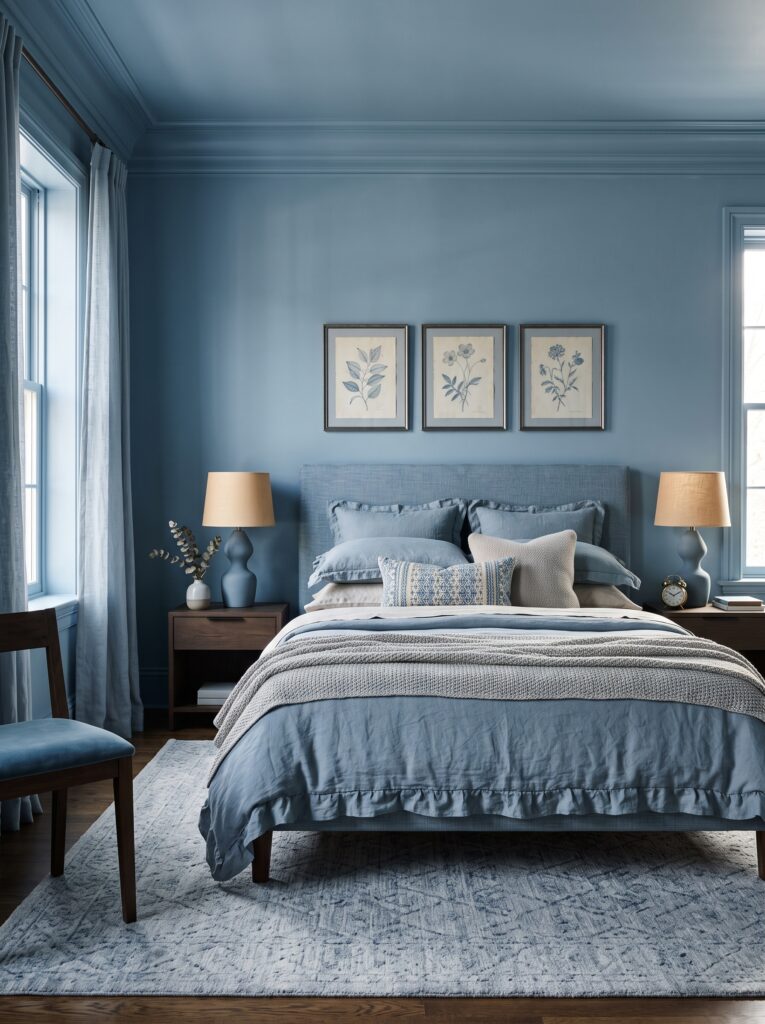
Color drenching is the technique of using one dominant color across multiple surfaces of a room, including the walls, trim, doors, ceiling, and sometimes even furniture. Rather than breaking the room into several contrasting colors, this approach creates a continuous visual effect that makes the entire space feel intentional, immersive, and incredibly stylish.
For homeowners in the United States who are looking for modern bedroom ideas, cozy bedroom inspiration, luxury bedroom decor, bedroom color ideas, or designer-inspired interiors, color drenching offers an easy way to create a high-impact transformation without relying on excessive decoration.
What Is Color Drenching?
Color drenching means covering most or all of the architectural surfaces in a room with variations of the same color. Instead of having white trim against a colored wall, for example, the trim may be painted in the same shade or a closely related tone.
The ceiling can also become part of the color story.
This creates a more cohesive appearance because your eyes are not constantly stopping at contrasting borders. The result can feel cozy, sophisticated, dramatic, and surprisingly relaxing.
For bedrooms, this decorating technique is particularly effective because it creates a cocoon-like atmosphere. Rather than feeling visually fragmented, the room becomes one complete environment.
You can use almost any color for this approach, but some shades work especially well in bedrooms.
Best Colors for a Color-Drenched Bedroom
Choosing the right color is the most important part of creating this look. Your bedroom should feel comfortable enough for everyday living, so consider how the color will look during morning sunlight, afternoon daylight, and evening artificial lighting.
Dusty Blue
Soft dusty blue is an excellent option for a peaceful bedroom. It provides color without feeling overly bright and works beautifully with natural linen, warm wood, cream bedding, and antique-inspired accessories.
A blue color-drenched bedroom can feel both traditional and contemporary depending on the furniture and accessories you choose.
Muted Sage Green
Sage green is another beautiful choice for homeowners who want an organic, calming atmosphere. Pair it with natural oak, woven baskets, linen bedding, ceramic accessories, and greenery for a relaxed nature-inspired bedroom.
Muted green also works especially well in homes with traditional, cottage, transitional, or modern organic interiors.
Warm Terracotta
If you want something more expressive, consider a muted terracotta or clay-inspired shade. Warm earthy colors can make a bedroom feel intimate and welcoming.
Balance terracotta walls and trim with cream-colored bedding, natural wood furniture, soft beige textiles, and understated artwork.
Chocolate Brown
Deep brown can create an incredibly sophisticated bedroom when used correctly. Rather than making the room feel gloomy, a warm chocolate tone can create a luxurious, cocoon-like environment.
Use plenty of texture to keep the room from feeling flat. Linen bedding, boucle upholstery, wool rugs, wood furniture, brass lighting, and soft curtains can all add visual depth.
Soft Lavender
For something slightly unexpected, muted lavender can create a romantic and sophisticated bedroom. Avoid overly bright purple and instead choose a dusty, grayish lavender.
Pair it with cream, warm white, natural wood, and brushed-metal accents for an elegant look.
Should You Paint the Ceiling Too?
One of the defining features of a true color-drenched room is the ceiling.
Many homeowners automatically paint the ceiling white, but continuing the wall color onto the ceiling creates a much more immersive effect.
If you’re nervous about using a strong color throughout the room, start with a softer shade. A muted blue, warm beige, dusty green, or soft taupe can create the color-drenched effect without becoming overwhelming.
Painting the ceiling can also make architectural features feel more intentional because moldings, beams, doors, and trim become part of the overall design.
How to Style a Color-Drenched Bedroom
The paint creates the foundation, but the furniture and accessories determine whether the room feels sophisticated or overwhelming.
Choose Neutral Bedding
When the walls already provide strong visual color, neutral bedding can create balance.
Cream, ivory, oatmeal, beige, and natural linen are excellent choices.
Instead of introducing many additional colors, focus on texture. Layer a duvet with a quilt, throw blanket, decorative pillows, and a soft upholstered headboard.
Add Natural Wood
Natural wood is one of the easiest ways to make a colorful bedroom feel warmer.
A walnut nightstand, oak dresser, wooden bench, or antique wood frame can break up painted surfaces while maintaining a sophisticated organic feeling.
Warm wood works especially well with green, blue, terracotta, and brown bedrooms.
Use Soft Lighting
Lighting can completely change the appearance of a color-drenched bedroom.
Instead of relying entirely on one bright overhead fixture, layer several light sources.
Try bedside lamps, wall sconces, a small reading lamp, or a decorative pendant.
Warm-toned bulbs are particularly effective because they create a softer atmosphere during the evening.
Add Texture Instead of Too Many Colors
One common mistake when decorating a colorful bedroom is adding too many additional colors.
Instead, create interest through texture.
For example, you could combine:
- Linen bedding
- Boucle upholstery
- A wool area rug
- Woven baskets
- Ceramic lamps
- Natural wood
- Velvet accent pillows
- Textured curtains
These materials make the room visually interesting without competing with the primary color.
Create a Designer-Looking Bedroom With Artwork
Artwork can add personality to a color-drenched bedroom, but it does not need to be extremely colorful.
Black-and-white photography, vintage botanical prints, neutral abstract artwork, landscape paintings, or muted vintage pieces can work beautifully.
For a sophisticated appearance, choose artwork that contains subtle tones related to your room color.
For example, a dusty blue bedroom could feature artwork with faded blue, cream, gray, and brown tones.
Color Drenching in Small Bedrooms
You do not need a huge master bedroom to experiment with this trend.
In fact, color drenching can be especially effective in smaller rooms.
Because the walls, trim, and ceiling blend together visually, the room can feel more cohesive instead of visually broken into separate sections.
For a small bedroom, choose a softer shade such as:
- Warm beige
- Dusty blue
- Soft sage
- Muted taupe
- Creamy brown
- Dusty lavender
Keep furniture streamlined and avoid unnecessary accessories.
Color Drenching for a Luxury Bedroom
If your goal is to create an expensive-looking bedroom, focus on quality-looking details rather than simply adding more decoration.
A sophisticated color-drenched bedroom might include a substantial upholstered bed, high-quality-looking linen bedding, elegant bedside lighting, a large rug, full-length curtains, and a few carefully selected decorative objects.
The secret is restraint.
Luxury interiors rarely need every surface covered with accessories. A carefully styled room with fewer but more intentional pieces often looks much more expensive.
How to Make Color Drenching Feel Warm
If you’re concerned that painting the entire room one color will make it feel too intense, introduce warm materials.
Natural wood, woven textures, linen, wool, aged brass, ceramic accessories, and soft rugs can instantly make the room feel more welcoming.
Plants can also add life to the space.
A small olive tree, eucalyptus arrangement, or simple leafy plant can work beautifully with earthy color palettes.
Common Color-Drenching Mistakes to Avoid
Although the technique can look effortless, a few mistakes can make the room feel less polished.
Choosing an Extremely Bright Color
Very saturated colors can become visually overwhelming when used across the walls, ceiling, and trim.
If you’re new to color drenching, start with a muted or sophisticated version of your favorite color.
Ignoring Lighting
Always consider how the paint will look under your bedroom’s lighting.
A shade that looks soft and beautiful during daylight can appear completely different at night.
Adding Too Many Competing Colors
Let your main color remain the star.
Instead of introducing five different accent colors, choose a few neutral and natural tones.
Forgetting the Ceiling
If you’re aiming for a true color-drenched appearance, leaving the ceiling bright white can interrupt the immersive effect.
You don’t necessarily have to use exactly the same paint finish, but keeping the color family consistent creates a more cohesive appearance.
Color-Drenching Ideas for Different Interior Styles
The technique can work with many decorating aesthetics.
For a modern bedroom, choose a sophisticated taupe, charcoal, muted blue, or warm brown and pair it with streamlined furniture.
For a cottage bedroom, try sage green, dusty blue, or warm cream with floral textiles and vintage-inspired furniture.
For a traditional bedroom, deep blue, olive green, or warm brown can create an elegant atmosphere when combined with classic furniture and artwork.
For a modern organic bedroom, use earthy beige, clay, mushroom, or muted green with natural wood and linen.
For a romantic bedroom, dusty rose or muted lavender can create a soft atmosphere when paired with cream textiles and vintage-inspired accessories.
Conclusion
A color-drenched bedroom can completely change the personality of your home without requiring a complicated renovation. By carrying one sophisticated color across the walls, trim, doors, and ceiling, you can create a bedroom that feels cohesive, immersive, and intentionally designed. The most successful spaces balance the richness of the paint with natural wood, neutral bedding, soft lighting, layered textiles, and carefully chosen accessories. Whether you prefer dusty blue, muted sage, warm terracotta, chocolate brown, or soft lavender, the key is to choose a shade that makes you feel relaxed and comfortable. If you’re searching for bedroom decorating ideas, cozy bedroom inspiration, luxury bedroom ideas, modern bedroom colors, or designer-inspired home decor, color drenching is a beautiful way to create a memorable bedroom that feels both personal and polished.
- Afrohemian Dining Room Ideas for a Warm, Collected and Sophisticated Home
- Warm Wood and Black Kitchen Ideas for a Timeless Designer Look
- Small Reading Nook Ideas That Turn Forgotten Corners Into a Cozy Luxury Retreat
- Curated Trinket Shelf Ideas: How to Create a Collected and Personal Home
- Neo Deco Entryway Ideas That Make Your Home Feel Instantly Expensive