
There is something undeniably elegant about a beautifully illuminated piece of artwork. Even a simple framed print can look more sophisticated when it is highlighted with the right lighting. One of the easiest ways to create this effect at home is by using picture lights.
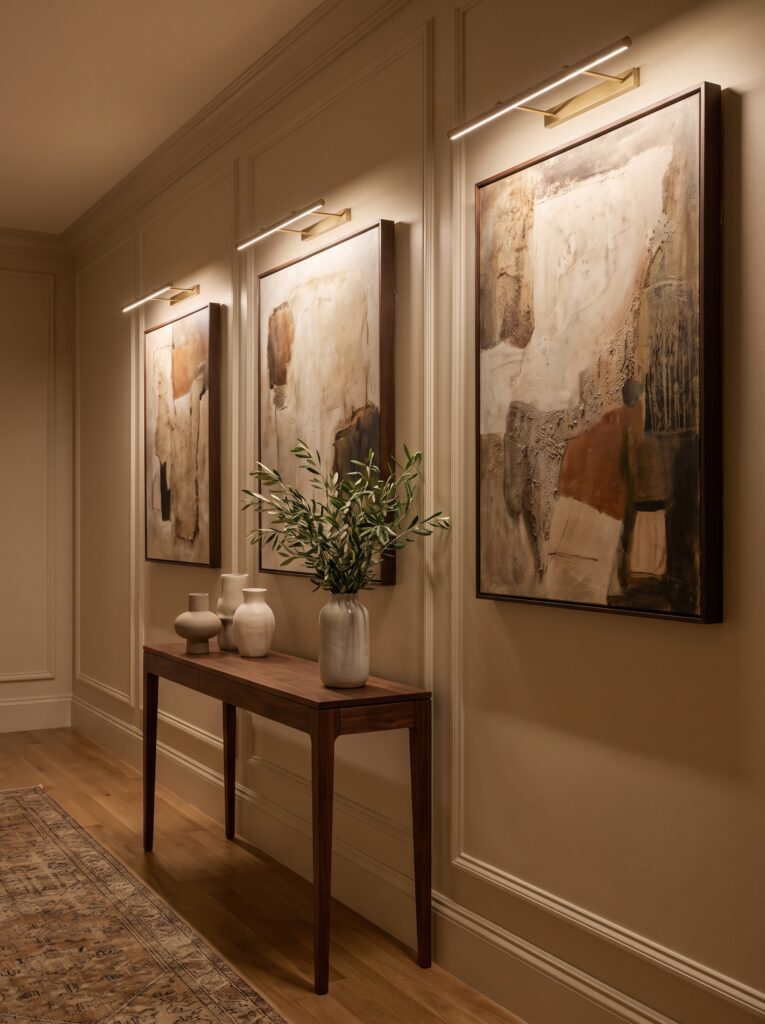
Picture lights are small, focused light fixtures designed to illuminate artwork, photographs, mirrors, architectural details, or decorative wall displays. While they are often associated with traditional interiors and upscale galleries, today’s picture lights come in a wide variety of styles, finishes, sizes, and installation options. That makes them surprisingly versatile for modern American homes.
Whether you are decorating a hallway, refreshing your dining room, creating a gallery wall, upgrading a bedroom, or simply looking for an inexpensive way to make your home feel more polished, picture lighting can make a significant difference.
The best part is that you do not necessarily need an expensive renovation. A thoughtfully selected picture light can create the appearance of a custom-designed interior while adding warmth, depth, and personality to your walls.
Why Picture Lights Make Artwork Look More Expensive
Artwork naturally becomes a focal point when it is properly illuminated. Without dedicated lighting, even a beautiful painting can disappear into a dark wall or compete with other elements in the room.
Picture lights solve this problem by directing light toward the artwork.
Instead of illuminating the entire room equally, they create a visual hierarchy. Your eye is naturally drawn toward the brighter, carefully highlighted area, making the artwork feel intentional and important.
This technique is commonly used in galleries, museums, boutique hotels, restaurants, and luxury residential interiors. Bringing a similar approach into your home can instantly create a more curated atmosphere.
Picture lights can also introduce another layer of lighting into a room. Rather than relying only on ceiling fixtures or table lamps, you can combine ambient lighting, task lighting, and accent lighting.
That layered approach often makes an interior feel warmer and more sophisticated.
1. Choose the Right Picture Light Style
The fixture itself should complement both the artwork and the overall decorating style of the room.
For a traditional home, consider classic brass or aged-metal picture lights. These finishes pair beautifully with oil paintings, antique frames, botanical prints, and traditional artwork.
For contemporary interiors, slim black, brushed nickel, chrome, or minimalist LED fixtures can create a cleaner appearance.
If you prefer transitional interiors, brass is an especially versatile choice because it can connect traditional and modern elements.
The goal is not necessarily to make the picture light disappear.
Sometimes the fixture itself can become part of the design.
A beautiful brass picture light above a large piece of artwork can function almost like jewelry for the wall.
2. Use Warm Lighting for a More Elegant Atmosphere
Color temperature is one of the most important details when choosing picture lighting.
For residential interiors, warm white light generally creates a more inviting atmosphere than extremely cool lighting.
Warm illumination can enhance wood tones, natural fabrics, artwork, and neutral color palettes while creating a cozy evening mood.
If your home features cream, beige, taupe, brown, olive, terracotta, or warm white tones, warm lighting can complement the palette beautifully.
Avoid extremely harsh or blue-toned light when your goal is a cozy, sophisticated interior.
The lighting should enhance the artwork—not make the room feel like a commercial gallery.
3. Create a Gallery Wall With Picture Lighting
Gallery walls are one of the most popular ways to display multiple pieces of art, family photographs, vintage prints, or collected objects.
However, gallery walls can sometimes look visually busy.
Adding thoughtful lighting can give the arrangement a stronger focal point.
Instead of placing a picture light over every frame, consider illuminating the overall composition with strategically positioned fixtures.
For example, a large gallery wall in a dining room could feature one or two elegant picture lights positioned above the artwork arrangement.
This creates a cohesive visual statement while keeping the wall from feeling cluttered.
For a more traditional American home, combine family photographs, landscape paintings, botanical prints, and vintage-style frames.
For a modern home, use black frames, abstract artwork, minimalist photography, and one or two sculptural pieces.
4. Highlight Oversized Artwork
Large artwork deserves special attention.
An oversized painting or statement print can completely transform a blank wall, but without proper lighting it may not have the impact you want.
A long picture light positioned above the artwork can distribute illumination across a wider surface.
When selecting the fixture, pay attention to the width of the artwork.
A tiny light above a very large painting can look visually unbalanced.
Likewise, an extremely wide fixture above a small artwork can overwhelm the composition.
Think about proportion.
The picture light should feel appropriately scaled to the artwork and the surrounding wall.
5. Picture Lights in the Dining Room
The dining room is an excellent location for picture lighting because the room is frequently used in the evening.
Imagine a dining room with a beautiful piece of artwork positioned on one wall, a statement chandelier above the table, and a warm picture light softly illuminating the artwork.
The combination creates layers of light instead of relying on a single bright overhead fixture.
This can make dinner parties and everyday meals feel more intimate.
Picture lights also work beautifully above a buffet, sideboard, or console when artwork is displayed above the furniture.
Pair the lighting with a few carefully selected decorative objects such as ceramic vases, candlesticks, books, or a sculptural bowl.
Keep the arrangement relatively simple so the artwork remains the main attraction.
6. Add Picture Lights to a Hallway
Hallways are often overlooked when decorating a home.
Because they are transitional spaces, homeowners sometimes leave them empty except for basic lighting.
However, hallways can become beautiful gallery-like areas with framed artwork and carefully positioned picture lights.
A long hallway can display a collection of artwork that creates a visual journey from one room to another.
Use similar frames or a consistent color palette to make the collection feel intentional.
Then add warm accent lighting to highlight the artwork.
This approach is especially effective in homes with long corridors, stair landings, or narrow transitional spaces.
Instead of feeling like an empty passageway, the hallway becomes part of the home’s overall design story.
7. Use Picture Lights Above a Console Table
A console table paired with artwork is a classic decorating combination.
Start with a piece of artwork positioned above the console.
Then add a picture light above the artwork.
On the console itself, use a simple arrangement of decorative objects.
A ceramic vase, a small table lamp, stacked books, a bowl, or a sculptural object can work beautifully.
The trick is to avoid overcrowding.
A sophisticated interior usually benefits from negative space.
Give every object enough room to breathe.
8. Try Picture Lighting in a Bedroom
Bedrooms do not always need dramatic lighting.
In fact, softer accent lighting can be much more appropriate.
A beautiful piece of artwork above a dresser or opposite the bed can be illuminated with a subtle picture light.
This creates a gentle focal point while contributing to the room’s overall ambiance.
For a sophisticated bedroom, combine warm picture lighting with bedside lamps, soft textiles, natural wood, and layered bedding.
If your bedroom palette is primarily neutral, brass picture lights can introduce a subtle decorative detail without adding excessive color.
9. Picture Lights in a Home Office
Home offices benefit from personality.
Instead of filling every wall with generic motivational prints, consider displaying artwork that reflects your personal taste.
A large painting, vintage map, architectural print, or collection of framed photography can give the office a more sophisticated appearance.
A picture light above the artwork creates a polished finishing touch.
For a classic home office, pair artwork with dark wood furniture, leather accents, brass lighting, and built-in cabinetry.
For a contemporary office, use minimalist artwork, light wood, sculptural accessories, and streamlined lighting.
10. Use Plug-In Picture Lights for a Rental-Friendly Update
Not every homeowner wants to open walls or hire an electrician.
Fortunately, plug-in and rechargeable picture lights can provide a more flexible solution.
These options are especially useful for renters or anyone who wants to experiment with accent lighting before committing to permanent electrical work.
Look for fixtures that have adjustable brightness and a warm color temperature.
Rechargeable models can also reduce the need for visible cords, depending on the design.
Before installing anything in a rental property, always follow your lease requirements and use appropriate removable mounting methods where permitted.
11. Highlight Mirrors With the Same Concept
Picture lighting does not have to be limited to artwork.
A decorative mirror can also become a beautiful focal point when illuminated.
For example, an antique-inspired mirror above a console can be paired with a slim picture-style light.
The illumination will emphasize the frame and create additional reflected light.
This works particularly well in entryways, dining rooms, bedrooms, and hallways.
Mirrors already help reflect natural and artificial light, so combining them with accent lighting can create an especially atmospheric effect.
12. Think About the Wall Behind the Artwork
The wall color can dramatically affect how your picture lighting looks.
Artwork against a white or cream wall may require a different lighting approach than artwork displayed against a deep green, navy, brown, or charcoal wall.
Dark walls can create a dramatic gallery effect.
A warm brass picture light against a deep olive or chocolate wall can look especially luxurious.
On a light neutral wall, a black or brass fixture can provide a subtle visual contrast.
You can also use picture lights to highlight textured plaster walls, decorative molding, wallpaper, or paneling.
13. Pair Picture Lights With Architectural Molding
If your home has picture-frame molding, wainscoting, paneling, or other architectural details, accent lighting can emphasize these features.
Consider placing artwork within a paneled wall and adding a picture light above it.
The lighting creates a layered effect:
Architectural detail + artwork + accent lighting.
This combination can make even a simple wall feel custom designed.
For traditional and transitional American homes, this is particularly effective.
Use classic frames, warm brass fixtures, and understated artwork for a timeless look.
14. Avoid These Common Picture Lighting Mistakes
Although picture lights are relatively simple to use, a few mistakes can reduce their impact.
Choosing a fixture that is too small
A tiny fixture above a huge painting may not provide enough illumination.
Using overly bright lighting
The artwork should be highlighted, not blasted with intense light.
Ignoring glare
Certain glossy artwork, glass frames, or photographs can reflect light directly into the viewer’s eyes.
Positioning and adjustable fixtures can help minimize this issue.
Mixing too many finishes
If your room already contains several metallic finishes, choose a picture light that connects naturally with the existing palette.
Overdecorating the wall
Sometimes the artwork and lighting are enough.
Adding too many surrounding objects can make the wall feel cluttered.
15. How to Make Picture Lighting Look High-End
You do not need to spend a fortune to achieve an expensive-looking result.
Focus on proportion, placement, warmth, and simplicity.
Choose a fixture that feels appropriately scaled.
Install or position it carefully.
Use warm lighting.
Give the artwork enough surrounding space.
Keep nearby accessories restrained.
Most importantly, think of the entire wall as one composition.
The artwork, frame, light fixture, wall color, furniture underneath, and surrounding decor should work together.
That is what creates a designer appearance.
Picture Light Ideas for Different Home Styles
Modern
Choose slim black, brushed metal, or minimalist LED fixtures.
Pair them with abstract artwork, simple frames, clean-lined furniture, and neutral walls.
Traditional
Try brass or antique-inspired finishes.
Combine them with oil paintings, landscape artwork, decorative molding, wood furniture, and classic accessories.
Transitional
Use simple brass or brushed metal fixtures.
Mix contemporary artwork with traditional furniture for a balanced appearance.
Organic Modern
Choose understated fixtures in brass, bronze, or natural-looking finishes.
Pair them with textured walls, natural wood, linen, stone, ceramics, and earthy artwork.
Eclectic
Have more fun with the fixture.
Mix vintage artwork, collected frames, unusual objects, and sculptural lighting.
The goal is to make the space feel personal rather than perfectly coordinated.
The Secret to Beautiful Accent Lighting
Great interior lighting is rarely about one fixture.
It is about layers.
Your room may have ceiling lighting for general illumination, table lamps for warmth, floor lamps for additional light, and picture lights for artwork.
Each layer serves a different purpose.
When these layers work together, the room feels more dimensional and inviting.
This is why picture lights can have such a noticeable effect even though they are relatively small fixtures.
They add a focused layer that directs attention exactly where you want it.
Conclusion
Picture lights are one of those small decorating details that can make a surprisingly big difference. They can transform ordinary artwork into a focal point, make hallways feel more intentional, add warmth to dining rooms, personalize home offices, and give bedrooms a sophisticated finishing touch.
You do not need a massive renovation to make your home feel more elevated. Sometimes the difference comes from one carefully chosen light fixture, one beautiful piece of artwork, and thoughtful placement. If you want your home to feel collected, warm, and designer-inspired, consider looking beyond basic ceiling lighting and experimenting with accent lighting.
A beautifully illuminated wall can become one of the most memorable details in your entire home.
Save these picture light ideas for your next decorating project and use them as inspiration when styling artwork, gallery walls, mirrors, and architectural features throughout your home.
- Afrohemian Dining Room Ideas for a Warm, Collected and Sophisticated Home
- Warm Wood and Black Kitchen Ideas for a Timeless Designer Look
- Small Reading Nook Ideas That Turn Forgotten Corners Into a Cozy Luxury Retreat
- Curated Trinket Shelf Ideas: How to Create a Collected and Personal Home
- Neo Deco Entryway Ideas That Make Your Home Feel Instantly Expensive