
A staircase is often one of the largest architectural features inside a home, yet it is surprisingly easy to overlook when decorating. While homeowners spend time choosing furniture, wall colors, rugs, lighting, and accessories, staircases are frequently treated as purely functional elements.
But a staircase can be much more than a way to move between floors.
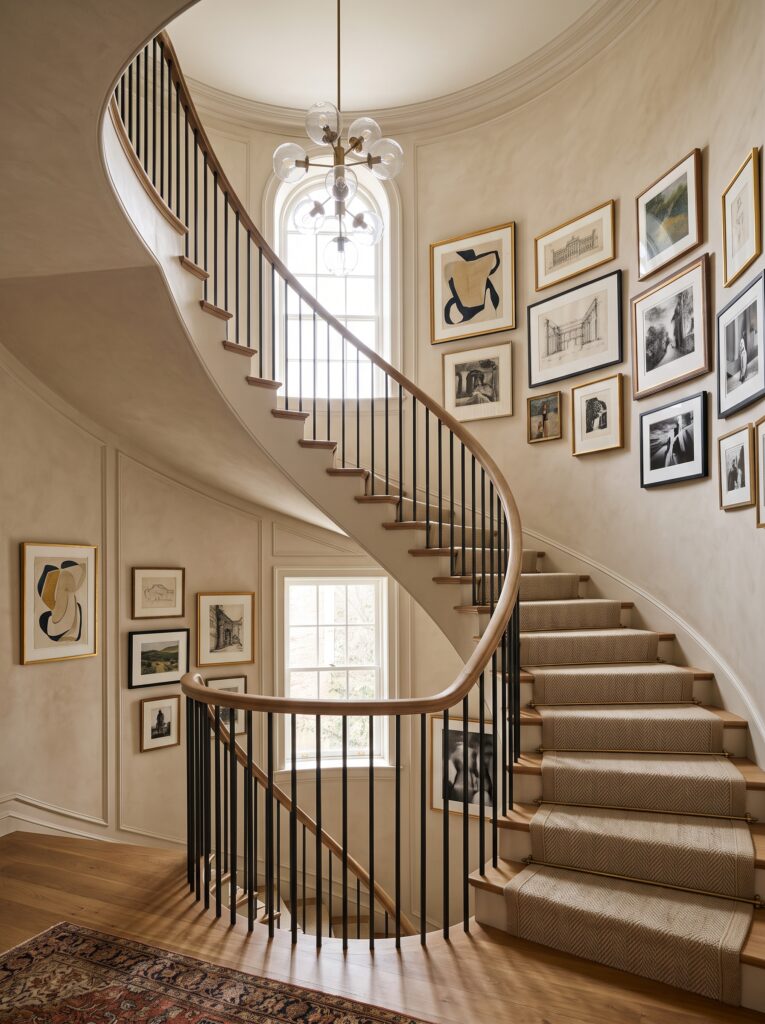
With the right staircase decor ideas, an ordinary staircase can become a beautiful architectural focal point that adds personality, warmth, and character to the entire home.
Whether you live in a modern suburban house, a traditional American home, a contemporary townhouse, or a smaller space, there are many ways to elevate your staircase without completely remodeling it.
From statement lighting and gallery walls to elegant stair runners, natural wood details, wall molding, and carefully selected artwork, the possibilities are surprisingly versatile.
The key is to decorate the staircase in a way that complements the rest of your home instead of making it feel like a separate space.
Why Staircase Design Matters
A staircase usually occupies a significant amount of visual space.
Because of its height and structure, it naturally attracts attention.
That means an outdated railing, bare wall, or poorly chosen lighting can affect how the surrounding space feels.
On the other hand, a thoughtfully designed staircase can create a strong first impression.
It can make an entryway feel more sophisticated, connect two floors visually, and add architectural interest to an otherwise simple interior.
You don’t necessarily need a complete staircase renovation.
Sometimes the smallest changes can have the biggest effect.
1. Add a Stair Runner
One of the easiest ways to transform a staircase is with a stair runner.
A runner can add:
- Pattern
- Texture
- Warmth
- Visual interest
- Comfort
- Protection
It can also help soften the appearance of hard flooring.
For a timeless American interior, consider neutral, subtle, or traditional patterns.
For a more modern home, a simple geometric or tonal runner can work beautifully.
When choosing a runner, think about durability.
Stairs experience significant foot traffic, so the material should be appropriate for everyday use.
2. Choose a Runner That Complements Your Home
Your stair runner shouldn’t feel disconnected from the rest of your interior.
If your home has warm wood floors, a runner with beige, cream, camel, or muted brown tones can create continuity.
For homes with cooler gray interiors, soft gray, blue, or neutral patterns may work better.
You can also use the runner as a subtle opportunity to introduce color.
The goal isn’t necessarily to match everything exactly.
Instead, look for colors that visually relate to other elements in the house.
3. Create a Staircase Gallery Wall
A staircase wall is one of the best locations for a gallery wall.
The natural angle of the stairs creates an opportunity to arrange artwork in a way that follows the movement of the staircase.
You can use:
- Family photographs
- Abstract artwork
- Vintage prints
- Botanical illustrations
- Travel photography
- Children’s artwork
- Black-and-white photography
For a sophisticated look, choose frames with a consistent finish.
Black, natural wood, brass, and white frames can each create a different effect.
4. Follow the Staircase Angle
One common gallery wall mistake is placing artwork randomly.
Instead, use the staircase as your guide.
Arrange the artwork so the overall composition follows the ascending line of the stairs.
Start with the largest pieces and build outward.
Leave consistent spacing between frames.
Before putting holes in the wall, consider laying the artwork on the floor first or using paper templates to test the arrangement.
5. Use One Oversized Artwork
If a large gallery wall isn’t your style, consider one statement piece.
A large painting or photograph can create an immediate focal point.
This approach works especially well in modern and minimalist interiors.
Choose artwork with enough visual weight to balance the height and scale of the staircase.
A tiny frame on a huge wall can easily look lost.
6. Add Architectural Wall Molding
Wall molding can give a staircase a custom architectural appearance.
Options include:
- Picture-frame molding
- Board-and-batten
- Vertical paneling
- Wainscoting
- Decorative trim
- Simple wall paneling
The best choice depends on the style of your home.
Traditional homes may benefit from classic molding.
Modern interiors can look beautiful with simple vertical or geometric paneling.
7. Try Board-and-Batten
Board-and-batten is particularly effective along staircases.
The vertical lines can emphasize the height of the wall and create architectural texture.
Paint the molding and wall the same color for a subtle sophisticated effect.
Alternatively, use contrasting tones for a more dramatic appearance.
Soft white, warm beige, muted green, deep blue, and charcoal can all work depending on the surrounding interior.
8. Use Wallpaper on the Staircase Wall
Wallpaper can turn a plain staircase wall into a statement feature.
Instead of wallpapering the entire room, use it on one staircase wall to create a focal point.
Consider:
- Botanical patterns
- Subtle geometric designs
- Textured wallpaper
- Vintage-inspired prints
- Grasscloth-style textures
- Small-scale traditional patterns
If the staircase is already visually busy, choose a quieter wallpaper.
9. Add a Statement Light Fixture
Because staircases often have tall ceilings, they are perfect locations for dramatic lighting.
A sculptural pendant or chandelier can become a major design feature.
Consider:
- Globe pendants
- Linear chandeliers
- Sculptural clusters
- Traditional lantern fixtures
- Contemporary statement lights
Choose the scale carefully.
A large staircase can usually handle a larger fixture, while a narrow staircase may require something more delicate.
10. Use Wall Sconces
Wall sconces are an excellent option for adding warmth and architectural interest.
They can provide practical illumination while creating a decorative rhythm along the staircase.
If you have a long staircase wall, evenly spaced sconces can create a beautifully balanced appearance.
Choose fixtures that complement the hardware and lighting elsewhere in your home.
11. Layer Your Staircase Lighting
Don’t rely on a single light source.
Layering can make the staircase feel warmer and more sophisticated.
For example:
Ceiling fixture + wall sconces + natural daylight
or
Pendant + recessed lighting + decorative wall lighting
This provides flexibility throughout the day.
Soft evening lighting can make a staircase feel particularly dramatic.
12. Highlight the Handrail
The handrail is another opportunity to introduce style.
A natural wood handrail can bring warmth into a neutral interior.
Black metal can create a contemporary appearance.
Brass details can add an elegant touch.
If the existing railing is structurally sound but visually dated, sometimes refinishing or repainting it can provide a significant improvement.
13. Combine Wood and Metal
Wood and metal can create a beautiful balance.
For example, natural oak paired with black metal can create a modern organic aesthetic.
Walnut with brass can feel more traditional and sophisticated.
The key is to repeat the chosen materials elsewhere in the house so the staircase feels connected to the overall design.
14. Paint the Stair Risers
Painting the risers can completely change the appearance of a staircase.
White risers paired with natural wood treads create a classic look.
For something more dramatic, consider a darker color.
You can also use subtle contrast by painting risers in a slightly different shade from the surrounding walls.
Before making permanent changes, consider the maintenance requirements of your chosen finish.
15. Use Natural Wood
Natural wood can make a staircase feel warm and timeless.
Oak, walnut, maple, and other wood finishes can work beautifully depending on the home’s style.
If your staircase already has natural wood elements, consider highlighting them instead of covering them.
A simple finish can allow the natural grain to become part of the design.
16. Create a Minimalist Staircase
Not every staircase needs elaborate decor.
For minimalist homes, simplicity can be more effective.
Use:
- Clean lines
- Simple lighting
- One statement artwork
- A restrained color palette
- Natural materials
- Minimal accessories
The staircase itself becomes the design feature.
This works particularly well in modern and contemporary interiors.
17. Create a Warm Organic Staircase
If you prefer organic modern interiors, introduce natural textures.
Use:
- Natural wood
- Linen
- Woven materials
- Soft neutral colors
- Greenery
- Handmade ceramics
Avoid excessive decoration.
The beauty comes from the materials themselves.
18. Add Greenery Carefully
Plants can soften a staircase area, especially when the surrounding architecture feels hard.
However, avoid placing plants where they interfere with movement or create a safety hazard.
A large plant can work beautifully at the bottom of a staircase if there is enough room.
Smaller plants can be placed on nearby consoles or shelves.
Always consider lighting conditions and maintenance needs.
19. Style the Landing
Don’t stop decorating when you reach the top of the stairs.
If you have an upstairs landing, treat it as part of the overall composition.
A small console, artwork, mirror, bench, or plant can make the landing feel intentional.
Avoid adding furniture simply to fill empty space.
Choose pieces that serve a purpose or create a clear visual focal point.
20. Add a Console Near the Staircase
If your staircase opens into a larger hallway, a narrow console can provide an elegant transition.
Use the console for:
- A lamp
- Decorative objects
- Books
- A small vase
- Artwork
Choose a slim design that doesn’t interfere with circulation.
21. Use a Mirror to Reflect Light
A mirror can help brighten a darker staircase.
Position it where it can reflect natural or artificial light.
Oversized mirrors can create a dramatic effect.
For traditional interiors, consider a decorative framed mirror.
For modern homes, a simple arched or frameless mirror may work better.
22. Make a Narrow Staircase Feel Wider
If your staircase is narrow, avoid adding bulky decor.
Use lighter colors, streamlined lighting, and minimal artwork.
A vertical design element can draw the eye upward and make the ceiling feel taller.
Mirrors can also help reflect light and create additional visual depth.
23. Make a Large Staircase Feel More Balanced
Large staircases can sometimes feel visually overwhelming.
Use artwork, lighting, runners, and architectural details to create balance.
A large wall can accommodate oversized artwork or a gallery composition.
A dramatic chandelier can also help connect the staircase to the ceiling height.
24. Decorate the Staircase for the Seasons
Seasonal staircase styling can be beautiful, but it doesn’t need to be excessive.
For fall, consider:
- Dried branches
- Warm-toned accents
- Subtle seasonal greenery
For winter:
- Evergreen branches
- Simple wreaths
- Soft neutral accents
For spring:
- Fresh greenery
- Light florals
- Soft colors
For summer:
- Natural textures
- Greenery
- Lightweight decorative accents
Keep safety in mind and avoid placing anything on stairs or handrails that could create a tripping or entanglement hazard.
25. Use the Space Under the Stairs
The area beneath the staircase can become valuable functional space.
Depending on its size, you could create:
- Built-in storage
- A small reading nook
- A home office
- A powder room
- A pet area
- A bar area
- Display shelving
This is especially useful in smaller American homes where every square foot matters.
26. Create Built-In Shelving
If the staircase wall or underside provides enough space, built-in shelving can combine storage and decoration.
Use shelves for:
- Books
- Art objects
- Ceramics
- Family photographs
- Plants
- Decorative boxes
Avoid filling every shelf.
Negative space helps create a more sophisticated appearance.
27. Use the Staircase as a Design Transition
A staircase often connects two different levels of a home.
Use it to visually connect the spaces.
Repeat materials, colors, or finishes from both floors.
For example, if the downstairs features warm oak and black accents, incorporating those elements into the staircase can create continuity.
This makes the home feel more cohesive.
Staircase Decor Ideas for Different Home Styles
Modern Staircase
Focus on clean lines, minimal decoration, natural wood, black metal, and sculptural lighting.
Traditional Staircase
Consider classic molding, detailed railings, elegant runners, framed artwork, and traditional lighting.
Organic Modern Staircase
Combine warm wood, soft neutrals, natural textures, simple artwork, and greenery.
Transitional Staircase
Blend classic architectural details with modern lighting and streamlined furniture.
Minimalist Staircase
Keep the design restrained and let the architecture speak for itself.
How to Make a Staircase Look More Expensive
Luxury isn’t necessarily about using expensive materials everywhere.
Focus on proportion and consistency.
A staircase can look significantly more elevated with:
- A properly scaled light fixture
- Consistent artwork frames
- Quality-looking hardware
- Natural wood
- A tailored runner
- Warm lighting
- Clean architectural lines
- Minimal clutter
One of the biggest secrets is scale.
A large staircase needs appropriately sized artwork and lighting.
Tiny decorative pieces often make large spaces look unfinished.
Common Staircase Decorating Mistakes
Overcrowding the walls
Too much artwork can make the staircase feel chaotic.
Choosing the wrong runner size
A runner that is too narrow or poorly installed can make the staircase look unfinished.
Using insufficient lighting
Dark staircases can feel uninviting and may also create safety concerns.
Ignoring circulation
Decor should never interfere with safe movement.
Mixing too many materials
Wood, metal, tile, wallpaper, artwork, and multiple patterns can quickly become visually overwhelming.
Forgetting the landing
The area at the top of the staircase is part of the overall design.
How to Plan a Staircase Makeover
Before purchasing anything, take a photograph of your staircase and evaluate it objectively.
Ask yourself:
What feels outdated?
What feels empty?
Where does the eye naturally go?
Is the lighting sufficient?
Does the staircase connect visually with the rest of the home?
Would a runner improve the space?
Could the wall benefit from artwork or molding?
Is the handrail contributing to the design?
Answering these questions will help you avoid unnecessary purchases.
Start with the largest visual elements first.
For example:
- Lighting
- Wall treatment
- Runner
- Handrail
- Artwork
- Small accessories
This creates a more cohesive result.
Conclusion
Your staircase doesn’t have to be a forgotten part of your home.
Because of its architectural scale and natural movement, it can become one of the most visually interesting areas in your interior.
Whether you prefer a dramatic gallery wall, a minimalist modern staircase, a classic stair runner, warm natural wood, elegant wall sconces, or a statement chandelier, there are countless ways to make the space feel more intentional.
The best staircase decor ideas don’t simply make the area prettier.
They improve how the staircase connects the different spaces of your home.
Think about the colors, textures, lighting, and materials already used throughout your interior, then bring selected elements into the staircase.
This creates continuity instead of making the staircase feel like a separate project.
And remember that safety should always come before decoration. Keep stairs, landings, and handrails clear, secure, and easy to navigate.
With thoughtful design, even a simple staircase can become a beautiful architectural feature.
A well-chosen runner, a few carefully positioned artworks, warm lighting, and natural materials may be all it takes to transform an overlooked staircase into a sophisticated part of your home.
Save these staircase decor ideas to your Pinterest home inspiration board and use them when planning your next interior refresh or staircase makeover.
- Outdoor Patio Ideas for a Cozy Late-Summer to Fall Transition
- Laundry Room Organization Ideas That Look Beautiful and Built-In
- Staircase Wall Decor Ideas: How to Create a Collected Gallery Look
- Library-Inspired Home Office Ideas That Make Working From Home Feel Luxurious
- Chocolate Brown Dining Table Ideas for a Warm and Elegant Fall Home