
Mediterranean home decor is one of the most inviting ways to bring warmth, character, and relaxed European charm into an American home. Inspired by the sun-drenched homes of coastal regions such as Greece, Italy, Spain, and southern France, this decorating style combines natural materials, earthy colors, handcrafted details, rustic textures, and timeless architectural elements.
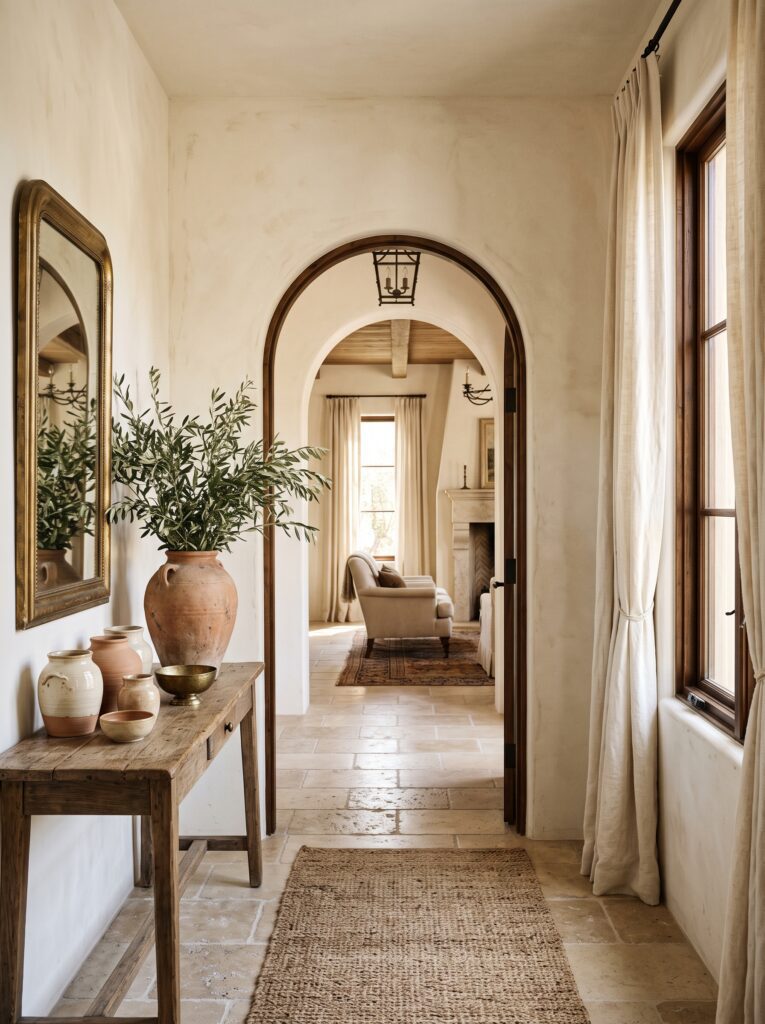
The beauty of Mediterranean interior design is that it does not need to look perfectly coordinated. Instead, it embraces warmth, texture, natural imperfections, and a collected appearance. Think creamy plaster walls, terracotta pottery, weathered wood, linen curtains, stone surfaces, olive branches, arched doorways, and soft sunlight.
For homeowners searching for a decorating style that feels both elegant and comfortable, Mediterranean decor offers an excellent alternative to overly minimalist or heavily themed interiors. It can be adapted to modern American houses, apartments, condos, cottages, and even small spaces.
What Is Mediterranean Home Decor?
Mediterranean home decor is an interior design style inspired by the relaxed architecture and natural beauty of Mediterranean countries.
Traditional Mediterranean interiors often feature:
- Warm plaster walls
- Terracotta tiles
- Natural stone
- Rustic wood
- Arched architectural details
- Handmade ceramics
- Linen fabrics
- Woven materials
- Olive branches
- Earthy colors
- Aged metal finishes
- Natural sunlight
The overall feeling is warm, relaxed, timeless, and slightly rustic.
Unlike a coastal decorating style that may emphasize bright whites and obvious nautical elements, Mediterranean interiors tend to use warmer colors such as sand, cream, terracotta, ochre, olive green, and warm brown.
Why Mediterranean Style Works in American Homes
Mediterranean decor can work beautifully in American homes because it focuses on materials and atmosphere rather than requiring a specific architectural style.
Even if your house does not have arched windows or terracotta floors, you can introduce the aesthetic through furniture, textiles, lighting, artwork, pottery, and color.
For example, a contemporary suburban home can instantly feel warmer with a rustic wood dining table, handmade ceramic vessels, linen curtains, terracotta accessories, and olive branches.
An apartment can achieve the same atmosphere through a textured rug, warm neutral walls, woven lighting, and a few Mediterranean-inspired accessories.
This makes the style flexible enough for both homeowners and renters.
The Mediterranean Color Palette
Color plays an important role in creating an authentic Mediterranean atmosphere.
Instead of using bright or highly saturated colors everywhere, focus on shades that appear naturally weathered by sunlight.
Popular Mediterranean Colors
- Warm white
- Cream
- Ivory
- Sand
- Beige
- Terracotta
- Clay
- Ochre
- Rust
- Olive green
- Muted blue
- Warm brown
- Soft charcoal
Cream and warm white are excellent foundation colors.
Terracotta can be introduced through pottery, rugs, tiles, cushions, or decorative objects.
Olive green adds a natural connection to Mediterranean landscapes, while muted blue can provide a subtle reference to coastal areas without turning the room into a traditional beach-themed space.
The Importance of Natural Materials
Mediterranean design relies heavily on natural materials.
These materials make interiors feel grounded and authentic.
Natural Stone
Stone is one of the defining materials of Mediterranean architecture.
You can introduce it through flooring, countertops, fireplace surrounds, side tables, trays, or decorative accessories.
Limestone, travertine, marble, and other natural stone finishes can add an understated sense of luxury.
Terracotta
Terracotta is another essential element.
Use terracotta planters, vases, bowls, tiles, lamps, or decorative objects.
You do not need large amounts of terracotta. Even a few carefully placed pieces can create warmth.
Wood
Choose natural or slightly weathered wood rather than highly glossy finishes.
Rustic dining tables, wooden stools, ceiling beams, console tables, and carved furniture can all complement the aesthetic.
Linen
Linen brings softness to the harder surfaces.
Use it for curtains, bedding, tablecloths, cushions, napkins, and upholstery.
The slightly imperfect texture of linen fits perfectly with the relaxed Mediterranean philosophy.
Mediterranean Living Room Ideas
A Mediterranean-inspired living room should feel comfortable, relaxed, and naturally beautiful.
Start with a neutral sofa in cream, beige, or warm white.
Add a natural fiber rug and a rustic wood or stone coffee table.
Rather than filling the room with decorative objects, choose a few sculptural pieces.
A large ceramic vase with olive branches can become a beautiful focal point.
Textured pillows in cream, rust, muted blue, and olive can introduce subtle color.
For a more authentic look, consider adding a vintage-style rug, woven basket, handmade pottery, or aged wood accent.
The goal is to create a room that looks collected rather than overly coordinated.
Mediterranean Kitchen Decor
The kitchen is one of the best places to experiment with Mediterranean design.
Open shelving can display handmade ceramics, wooden cutting boards, woven baskets, and glass jars.
If you have white cabinetry, introduce warm wood and terracotta accessories to prevent the room from feeling too cool.
A rustic wooden stool or island can add character.
For countertops, natural stone or stone-look surfaces can complement the aesthetic beautifully.
Keep everyday objects visible but organized.
A ceramic pitcher, olive oil bottle, wooden cutting board, and bowl of lemons can create a simple Mediterranean-inspired countertop arrangement.
Mediterranean Dining Room Ideas
Mediterranean dining rooms are designed around gathering and hospitality.
A large wooden table can become the centerpiece.
Pair it with simple wooden, upholstered, or woven chairs rather than overly formal seating.
Use a linen runner and handmade ceramics for the table.
For the centerpiece, consider olive branches, dried herbs, seasonal flowers, or a simple terracotta vessel.
Pendant lighting with woven, ceramic, or aged-metal elements can complete the atmosphere.
The dining room should feel welcoming enough for everyday meals but beautiful enough for entertaining guests.
Mediterranean Bedroom Ideas
A Mediterranean bedroom should feel calm and naturally luxurious.
Start with warm white or cream bedding.
Choose a wooden or upholstered bed and add linen layers in neutral tones.
A textured throw at the end of the bed can provide warmth without introducing excessive pattern.
Use bedside tables made from wood, stone, or woven materials.
For lighting, choose warm lamps with ceramic, linen, wood, or aged-metal bases.
A large piece of understated artwork can provide personality without competing with the natural materials.
Mediterranean Bathroom Ideas
Mediterranean bathroom design can transform an ordinary bathroom into a relaxing retreat.
Use warm stone or stone-look surfaces, natural wood cabinetry, ceramic accessories, and muted earthy colors.
A rounded mirror or arched mirror can add architectural interest.
Terracotta or handmade-look tiles can create a beautiful focal point.
Keep accessories simple.
A wooden stool, folded linen towels, ceramic soap container, and small olive branch can be enough to complete the look.
Mediterranean Entryway Ideas
The entryway sets the tone for the entire home.
A simple rustic console table can create a strong foundation.
Add a large mirror, ceramic vase, woven basket, and natural artwork.
If the architecture allows, an arched mirror can introduce Mediterranean character without requiring construction.
Keep the floor relatively open and avoid overcrowding the entry.
The space should feel relaxed and welcoming the moment someone walks through the door.
How to Create Mediterranean Decor on a Budget
You do not need a major renovation to achieve this look.
One of the easiest ways to introduce Mediterranean style is through accessories.
Try adding:
- Terracotta pots
- Handmade-style ceramics
- Linen curtains
- Woven baskets
- Olive branches
- Natural wood trays
- Earth-toned cushions
- Textured rugs
- Vintage-style artwork
- Warm lamps
Changing small accessories can have a surprisingly large impact.
Another inexpensive approach is to repaint a room in a warm neutral shade.
A creamy wall color can instantly make existing wood furniture and natural textiles feel more Mediterranean.
Mediterranean Decor for Small Apartments
Mediterranean style can work especially well in smaller homes because the palette is naturally warm and cohesive.
Use light cream walls to reflect natural light.
Choose furniture with simple silhouettes rather than oversized pieces.
A small wooden dining table, compact woven chair, ceramic lamp, and terracotta planter may be enough to create the aesthetic.
Vertical storage can help keep the space organized while maintaining the relaxed atmosphere.
Avoid overcrowding the room with decorative objects.
A few larger pieces usually look more sophisticated than many tiny accessories.
How to Make Mediterranean Decor Look Expensive
The luxury of Mediterranean interiors comes from materials, texture, and restraint.
Natural stone, wood, linen, ceramic, and aged metal automatically create a more sophisticated appearance than plastic or overly glossy materials.
Another important factor is scale.
Instead of displaying ten small decorative objects, choose one oversized ceramic vase or a large piece of artwork.
Use larger curtains that extend from close to the ceiling toward the floor to create architectural drama.
Lighting also makes a major difference.
Warm layered lighting can make affordable furniture and accessories feel significantly more elevated.
Mediterranean Outdoor Decor
Mediterranean design is naturally suited to outdoor spaces.
Patios, balconies, porches, and backyard seating areas can all benefit from the aesthetic.
Use terracotta planters, olive trees or similar greenery, natural stone, wood furniture, linen-look cushions, and woven accessories.
A small outdoor dining table can create a European-inspired entertaining area.
Add lanterns or warm outdoor lighting for evenings.
The goal is to create an outdoor space that feels like an extension of the interior rather than a completely separate area.
Mediterranean Table Styling
Table styling is another easy way to bring the aesthetic into your home.
Use natural linen napkins, handmade ceramic plates, wooden serving boards, terracotta vessels, and simple glassware.
Avoid making everything perfectly symmetrical.
A slightly relaxed arrangement often feels more authentic.
For a centerpiece, use olive branches, rosemary, lemons, dried grasses, or seasonal flowers.
This creates an elegant tablescape without requiring expensive decorative pieces.
Common Mediterranean Decorating Mistakes
There are several ways to make Mediterranean decor feel overly themed.
Too Much Terracotta
Terracotta is beautiful, but using it everywhere can overwhelm the room.
Use it as an accent rather than the entire color palette.
Too Many Coastal Elements
Mediterranean style is not the same as nautical coastal decor.
Avoid filling the room with anchors, seashells, rope, or obvious beach signs.
Overdecorating
Mediterranean interiors often feel beautiful because they have room to breathe.
Do not cover every surface with accessories.
Using Only Rustic Furniture
Mediterranean design can combine rustic and modern pieces.
A contemporary sofa can look beautiful alongside a weathered wooden table.
Ignoring Lighting
Even beautiful materials can look flat under harsh lighting.
Use warm lamps, wall lighting, candles, and natural sunlight whenever possible.
How to Mix Mediterranean and Modern Design
You do not have to choose between traditional Mediterranean and contemporary interiors.
A modern Mediterranean home can combine clean-lined furniture with traditional materials.
For example, pair a contemporary cream sofa with a rustic wood coffee table.
Add a modern pendant light above a weathered dining table.
Use minimalist artwork alongside handmade ceramics.
This combination creates a sophisticated look that feels current while retaining Mediterranean warmth.
Seasonal Mediterranean Decorating
Mediterranean decor works throughout the year.
During spring, add fresh greenery, flowers, lightweight linen, and pale natural colors.
For summer, emphasize terracotta, woven textures, lemons, olive branches, and airy fabrics.
In fall, introduce rust, ochre, caramel, and deeper brown tones.
During winter, add heavier woven throws, candles, textured rugs, and warm wood accents.
Because the main palette is neutral, seasonal updates are easy.
Mediterranean Decor for a More Relaxing Home
One of the biggest benefits of this style is the atmosphere it creates.
Natural materials, warm colors, soft fabrics, and uncluttered surfaces can make a room feel more peaceful.
Instead of designing every room around visual impact, focus on how the space feels.
Choose comfortable seating.
Keep frequently used objects accessible.
Use soft lighting in the evening.
Add plants and natural materials.
Create small areas where you can sit, read, eat, or relax without distractions.
This approach makes Mediterranean decoration about lifestyle as much as appearance.
Conclusion
Mediterranean home decor offers a timeless way to make an American home feel warmer, more relaxed, and full of character. By combining creamy neutrals, terracotta, natural stone, rustic wood, linen, handmade ceramics, woven textures, greenery, and warm lighting, you can recreate the relaxed beauty of a European retreat without completely renovating your home.
The most successful Mediterranean interiors do not depend on expensive furniture or perfectly matched accessories. They focus on natural materials, thoughtful proportions, comfortable spaces, and a collected appearance.
Start small by introducing terracotta pottery, linen textiles, natural wood, ceramic accessories, or olive branches. Then build the aesthetic gradually through lighting, furniture, artwork, and architectural details.
Whether you live in a modern suburban house, a city apartment, a small condo, or a spacious American home, Mediterranean decorating can be adapted to your existing space. The result is an interior that feels sunny, welcoming, sophisticated, and timeless.
If you love homes that feel relaxed rather than overly perfect, this European-inspired aesthetic is an excellent way to create a space that looks beautiful while still feeling genuinely lived in.
- Moody Blue Room Ideas for a Sophisticated Cozy Home
- White Oak and Black Kitchen Ideas for a Modern Timeless Home
- The Garden Patio Ideas That Make Outdoor Spaces Feel Magical
- Dark Cottagecore Kitchen Ideas With Timeless Charm
- Warm Wood Kitchen Ideas That Make a Home Feel Instantly Expensive