
Dining rooms are becoming more than spaces reserved for formal dinners and special occasions. Today, homeowners are looking for dining spaces that feel warm, personal, comfortable, and beautifully connected to the rest of the home. Instead of perfectly matched furniture and overly formal styling, the latest approach focuses on natural materials, warm wood tones, vintage-inspired pieces, layered lighting, expressive artwork, and a collected look that feels authentic.
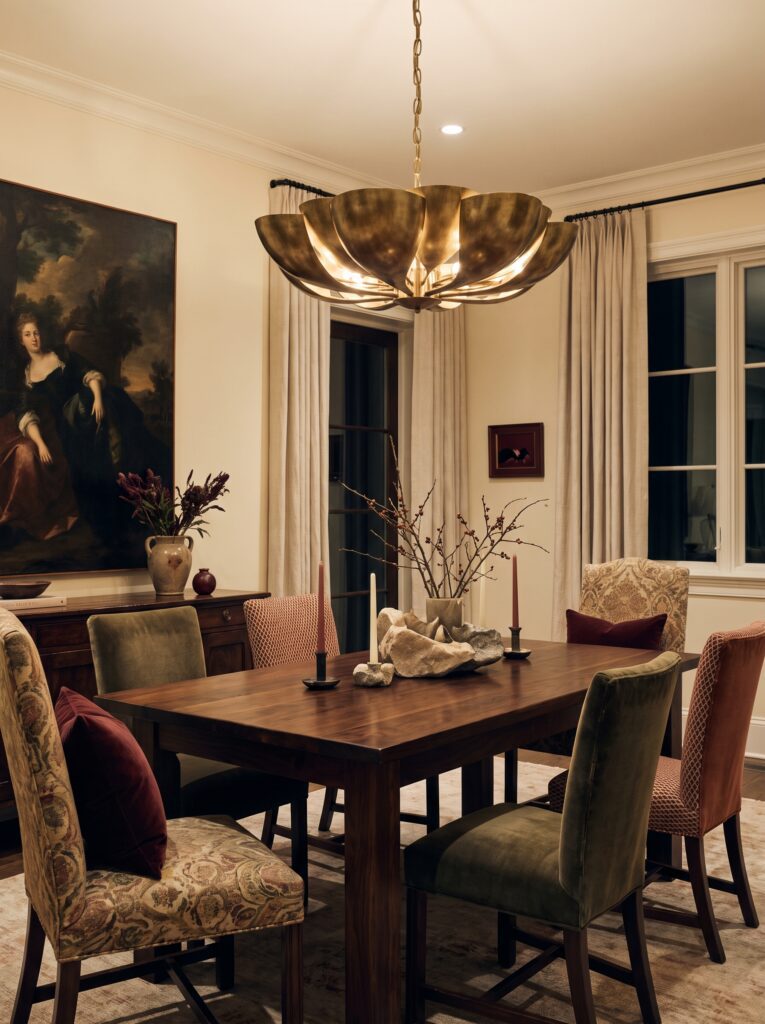
If your dining room currently feels empty, cold, overly traditional, or simply unfinished, you don’t necessarily need a complete renovation. A few thoughtful changes can completely transform the atmosphere. By combining timeless furniture with natural textures, warm colors, and personal details, you can create a dining room that feels sophisticated enough for entertaining but comfortable enough for everyday family meals.
The best part about this decorating approach is that it doesn’t depend on one particular design style. Whether your home is modern, traditional, transitional, farmhouse, European-inspired, or contemporary, you can adapt these ideas to create a dining room with warmth and personality.
Why Warm Dining Rooms Are Becoming So Popular
For years, many dining rooms were designed around matching furniture sets, formal chandeliers, symmetrical arrangements, and relatively limited decoration.
While that look can still be beautiful, homeowners increasingly want rooms that feel more relaxed and lived-in.
A warm dining room usually combines several elements rather than relying on one decorating style.
Think:
- Rich wood
- Soft neutral walls
- Natural stone
- Linen
- Vintage artwork
- Aged metals
- Comfortable upholstered seating
- Warm lighting
- Handmade-looking accessories
- Organic shapes
- Collected decorative pieces
The result is a room that feels sophisticated without appearing overly staged.
Instead of asking, “Does everything match?” the better question is, “Do all the pieces work together?”
That small shift can make a major difference.
1. Start With a Warm Wood Dining Table
The dining table is naturally the centerpiece of the room, so it should establish the overall mood.
Warm wood is particularly effective because it immediately introduces texture and visual warmth.
Consider:
- Walnut
- Oak
- Reclaimed wood
- Mahogany
- Warm-toned ash
- Natural wood finishes
A large wooden table can work beautifully in both traditional and modern interiors.
If you have a smaller dining area, choose a table with a visually lighter base or a rounded shape so the room doesn’t feel crowded.
For larger rooms, an elongated rectangular table can create a dramatic focal point.
Don’t worry about finding a table that looks brand new. Slight variations in the wood grain and subtle signs of age can actually make the room feel more interesting.
2. Don’t Be Afraid to Mix Dining Chairs
One of the easiest ways to make a dining room look collected rather than showroom-perfect is to mix seating styles.
Instead of purchasing six identical chairs, consider combining different silhouettes that share a similar color palette.
For example:
- Upholstered head chairs with wood side chairs
- Cane chairs with linen chairs
- Vintage chairs around a modern table
- Wood chairs paired with one upholstered bench
The goal is coordination rather than perfect matching.
If you mix furniture, repeat at least one element—such as color, material, shape, or fabric—so the arrangement still feels intentional.
3. Choose Comfortable Upholstery
A beautiful dining room should also be comfortable.
Upholstered dining chairs can instantly soften the room and make long dinners more enjoyable.
Neutral fabrics are particularly versatile.
Try:
- Natural linen
- Cream boucle
- Warm beige
- Soft taupe
- Camel
- Muted olive
- Warm gray
If you’re concerned about stains, look for performance fabrics designed for everyday use.
For a more traditional or luxurious appearance, consider dining chairs with subtle curved backs.
Comfortable seating also changes the emotional atmosphere of the room. Instead of feeling like a formal space that is only used occasionally, the dining room begins to feel like a place where people actually want to spend time.
4. Add an Oversized Statement Light
Lighting can completely change a dining room.
The fixture above the dining table should provide enough illumination for meals while also functioning as a decorative focal point.
Consider:
- Sculptural chandeliers
- Aged brass fixtures
- Oversized pendant lights
- Linear chandeliers
- Vintage-inspired lanterns
- Natural woven pendants
An oversized light fixture can make even a relatively simple dining room feel intentionally designed.
If your dining table is long, a linear chandelier can visually emphasize its shape.
For a round table, a round or sculptural pendant often creates better visual balance.
Choose warm bulbs to create a softer atmosphere, especially during evening meals.
5. Use Aged Brass for Subtle Luxury
You don’t need expensive furniture to create an elevated dining room.
Small metallic details can provide a sense of sophistication.
Aged brass is especially useful because it has warmth and character without looking excessively shiny.
Use it through:
- Chandelier hardware
- Cabinet handles
- Picture frames
- Candleholders
- Decorative objects
- Curtain hardware
If you already have another metal finish in the room, you don’t necessarily need to replace it.
Mixed metals can work beautifully when they are used intentionally.
6. Create a Collected Gallery Wall
A dining room is an excellent place for artwork.
Instead of choosing one generic oversized print, consider creating a collection of artwork that feels personal.
You can combine:
- Vintage paintings
- Botanical prints
- Landscape artwork
- Abstract pieces
- Black-and-white photography
- Antique-style frames
- Family photographs
A gallery wall doesn’t need to be perfectly symmetrical.
In fact, slightly varied frame sizes and artwork dimensions can make the arrangement feel more collected.
For a sophisticated look, keep the overall color palette connected.
For example, artwork featuring cream, brown, muted green, black, and burgundy can complement a warm wood dining room beautifully.
7. Bring in Vintage Pieces
A room filled entirely with brand-new furniture can sometimes feel flat.
Vintage pieces introduce character and visual history.
You could add:
- An antique sideboard
- Vintage dining chairs
- An old mirror
- A traditional cabinet
- An antique vase
- Vintage candlesticks
- An old wooden stool
You don’t need an entire vintage dining set.
One or two older pieces can be enough to make a modern room feel more layered.
This is also a practical way to create an expensive-looking interior without purchasing everything from high-end retailers.
8. Style the Dining Room With Natural Materials
Natural materials create warmth and prevent the dining room from feeling overly polished.
Consider incorporating:
- Wood
- Stone
- Linen
- Rattan
- Cane
- Ceramic
- Woven fibers
- Marble
- Terracotta
A wooden table paired with linen chairs, ceramic accessories, and a natural fiber rug creates a beautiful combination of textures.
The room becomes visually interesting even when the color palette is relatively neutral.
9. Choose a Warm Neutral Wall Color
If your dining room has stark white walls and feels cold, changing the wall color may have a surprisingly large impact.
Warm neutrals can create a softer atmosphere.
Consider shades inspired by:
- Warm ivory
- Mushroom
- Greige
- Soft taupe
- Clay
- Beige
- Muted olive
- Warm cream
If you prefer a dramatic dining room, a deeper color can create a cozy evening atmosphere.
Chocolate brown, deep olive, charcoal, and muted burgundy can all work beautifully when balanced with lighter furniture and warm lighting.
10. Use a Large Rug to Define the Dining Area
A dining rug does more than add color.
It visually defines the eating area and helps connect the table and chairs.
When selecting a dining room rug, make sure it is large enough for the chairs to remain on the rug when they are pulled away from the table.
A rug that is too small can make the entire arrangement look disconnected.
For a timeless dining room, consider:
- Vintage-inspired rugs
- Neutral patterned rugs
- Persian-style designs
- Flatweave rugs
- Natural fiber rugs
If you have young children, a durable, easy-to-clean rug may be more practical than a delicate vintage piece.
11. Add a Sideboard or Console
A dining room often benefits from one substantial storage piece.
A sideboard can provide practical storage while also becoming a decorative focal point.
Use it to store:
- Dinnerware
- Table linens
- Serving pieces
- Glassware
- Candles
The surface can be styled with a few carefully selected objects.
For example:
A large mirror or artwork above the sideboard, a pair of lamps, a ceramic vase, and a small stack of coffee-table books can create a polished arrangement.
Avoid covering the entire surface with accessories.
Leaving some empty space helps the room feel calmer.
12. Use a Large Mirror to Reflect Light
Mirrors are especially useful in smaller dining rooms.
A large mirror can visually expand the space and reflect light from windows or chandeliers.
Traditional homes may look beautiful with:
- Antique gold frames
- Ornate wood frames
- Arched mirrors
Modern interiors may work better with:
- Minimal black frames
- Frameless designs
- Organic-shaped mirrors
- Simple brass frames
Choose the shape based on the architecture and furniture in the room.
13. Bring Nature to the Dining Table
Your centerpiece doesn’t need to be complicated.
One of the easiest ways to make a dining table look elegant is to introduce natural elements.
Try:
- Olive branches
- Eucalyptus
- Seasonal flowers
- Dried grasses
- Small branches
- Greenery
- A bowl of seasonal fruit
For everyday decorating, a simple ceramic vase filled with branches can be enough.
For dinner parties, add candles or several smaller arrangements.
Natural greenery also prevents a neutral dining room from feeling lifeless.
14. Layer Your Table Lighting
If you want your dining room to feel especially cozy in the evening, combine different sources of light.
Use:
Overhead lighting + lamps + candles
The overhead fixture provides the primary illumination.
A sideboard lamp creates a softer secondary light source.
Candles add warmth and atmosphere.
This layered lighting approach is especially effective for entertaining because it allows you to create a relaxed mood without relying on harsh overhead lighting alone.
15. Make the Dining Table Look Effortless
One mistake people make is over-styling the dining table.
For everyday life, keep the centerpiece simple.
A beautiful arrangement might include:
- One ceramic vase
- A few branches
- Linen napkins
- Two or three candles
That’s enough.
The table should still have plenty of space for plates, glasses, and food.
For special occasions, you can add a fuller tablescape.
Use layered plates, linen napkins, candles, seasonal flowers, and understated place settings.
16. Incorporate Linen Textiles
Linen instantly softens a dining room.
Use it through:
- Curtains
- Table runners
- Napkins
- Chair upholstery
- Decorative textiles
Natural linen doesn’t need to look perfectly pressed.
Its relaxed texture contributes to the collected and comfortable atmosphere.
For a sophisticated palette, choose ivory, oatmeal, flax, taupe, or muted earthy tones.
17. Create a Cozy Corner
If your dining room is large enough, add a small secondary area.
A simple reading chair, vintage cabinet, or small round table can make the space feel more complete.
You could create:
- A coffee corner
- A small bar cabinet
- A reading chair
- A plant corner
- A decorative console
This makes the dining room feel like a multifunctional part of the home rather than a room used only during dinner.
18. Design a Dining Room That Works for Everyday Life
Beautiful design should still be practical.
Think about how you actually use the room.
If you have family meals every day, choose durable surfaces.
If you frequently host guests, prioritize comfortable seating.
If storage is limited, select a sideboard with drawers and cabinets.
If the room is small, avoid oversized furniture.
Good interior design isn’t just about appearance.
It is about creating a room that supports your lifestyle.
19. Small Dining Room Ideas
You don’t need a large home to create an elegant dining room.
For smaller spaces, consider:
- Round dining tables
- Slim chairs
- Wall-mounted lighting
- Bench seating
- Mirrors
- Light-colored walls
- Transparent or visually lightweight furniture
- Small-scale sideboards
A round table can improve movement in a compact dining area because it eliminates sharp corners.
If you have an open-concept home, use a rug and lighting fixture to visually separate the dining area from the kitchen or living room.
20. Open-Concept Dining Room Ideas
Open floor plans require visual coordination.
Your dining room doesn’t have to match the living room exactly.
Instead, repeat a few materials or colors.
For example:
Living room:
Cream + Walnut + Olive
Dining room:
Cream + Walnut + Burgundy
The repeated cream and walnut connect the rooms while the burgundy provides a subtle variation.
This creates continuity without making the entire home look like a furniture showroom.
21. Elegant Dining Room Ideas for Fall
Fall is a beautiful time to refresh your dining room.
You can introduce seasonal elements without completely changing the decor.
Try:
- Burgundy napkins
- Dried branches
- Amber glass
- Warm candles
- Brown ceramic pieces
- Seasonal flowers
- Natural wood accessories
Avoid excessive seasonal signs or decorations if you want the room to remain sophisticated.
Instead, let the color palette communicate the season.
22. How to Make a Dining Room Look More Expensive
You don’t need a designer budget.
Focus on proportions, lighting, texture, and editing.
Here are some simple upgrades:
Use Larger Artwork
Small artwork can sometimes make a room feel unfinished.
A larger piece above a sideboard or dining table can create stronger visual impact.
Upgrade the Lighting
A beautiful chandelier often has more impact than several small decorative accessories.
Add Texture
Use linen, wood, stone, woven materials, and ceramics.
Choose Fewer Accessories
Instead of displaying twenty small objects, choose five or six beautiful pieces.
Use Curtains Correctly
Hang curtains higher and wider than the window frame when possible to create a more elevated appearance.
Keep the Room Clutter-Free
An expensive-looking space usually has intentional negative space.
23. Dining Room Mistakes to Avoid
A beautiful dining room isn’t only about what you add.
Sometimes knowing what to remove is more important.
Avoid:
- Rugs that are too small
- Excessively matching furniture
- Harsh white lighting
- Too many decorative objects
- Overcrowded tabletops
- Furniture that blocks walking paths
- Too many competing colors
- Artwork that is too small
- Uncomfortable chairs
- Seasonal decorations that overwhelm the room
The goal is balance.
24. Build a Timeless Dining Room Instead of Following Every Trend
Trends can be useful for inspiration, but the foundation of your dining room should remain timeless.
Invest in pieces you expect to keep for years:
- Dining table
- Quality chairs
- Sideboard
- Lighting
- Rug
Then bring trends into smaller elements.
For example, you can easily replace:
- Napkins
- Candles
- Artwork
- Centerpieces
- Decorative accessories
This approach makes decorating more sustainable and financially practical.
25. The Perfect Formula for a Collected Dining Room
If you’re starting from scratch, use this formula:
Warm Wood Table + Comfortable Chairs + Statement Lighting + Large Rug + Artwork + Sideboard + Natural Centerpiece + Layered Lighting
You don’t need every piece to be expensive.
You simply need the proportions and materials to work together.
Start with the largest elements first.
Choose the table and rug.
Then add seating.
Next, select the lighting.
After that, introduce artwork, storage, textiles, and accessories.
This order helps prevent the room from becoming cluttered.
Conclusion
The most beautiful dining rooms aren’t necessarily the most expensive ones. They are the spaces where furniture, lighting, color, texture, and personal details work together naturally.
A warm dining room can combine modern and vintage elements, mix different seating styles, introduce natural materials, and use a restrained color palette to create an atmosphere that feels both sophisticated and comfortable.
Start with a beautiful wood dining table and build the room around it. Add comfortable seating, a statement chandelier, a large rug, meaningful artwork, and a practical sideboard. Then introduce warmth through linen, ceramics, natural greenery, aged metals, and soft lighting.
Don’t be afraid to mix old and new. A vintage mirror beside a modern table can be more interesting than a perfectly matching furniture set. Likewise, different dining chairs can add personality when they share a common color or material.
Most importantly, design the room for real life.
Your dining room should be beautiful enough for a holiday dinner but comfortable enough for a casual weekday meal. It should support conversation, family gatherings, entertaining, and everyday living.
By focusing on warmth, comfort, natural materials, and collected details instead of temporary trends, you can create a dining room that feels timeless today and remains beautiful for years to come.
- Afrohemian Dining Room Ideas for a Warm, Collected and Sophisticated Home
- Warm Wood and Black Kitchen Ideas for a Timeless Designer Look
- Small Reading Nook Ideas That Turn Forgotten Corners Into a Cozy Luxury Retreat
- Curated Trinket Shelf Ideas: How to Create a Collected and Personal Home
- Neo Deco Entryway Ideas That Make Your Home Feel Instantly Expensive