
A beautiful home is not always defined by expensive furniture, a huge renovation, or a perfectly designed floor plan. Sometimes, the details that make a home feel polished are surprisingly small.
A beautiful cabinet pull, a refined door handle, a coordinated light switch plate, an elegant wall hook, or thoughtfully selected hardware can change the way an entire room feels. These details may seem insignificant when considered individually, but when they are repeated throughout a home, they create a sense of consistency and intention.
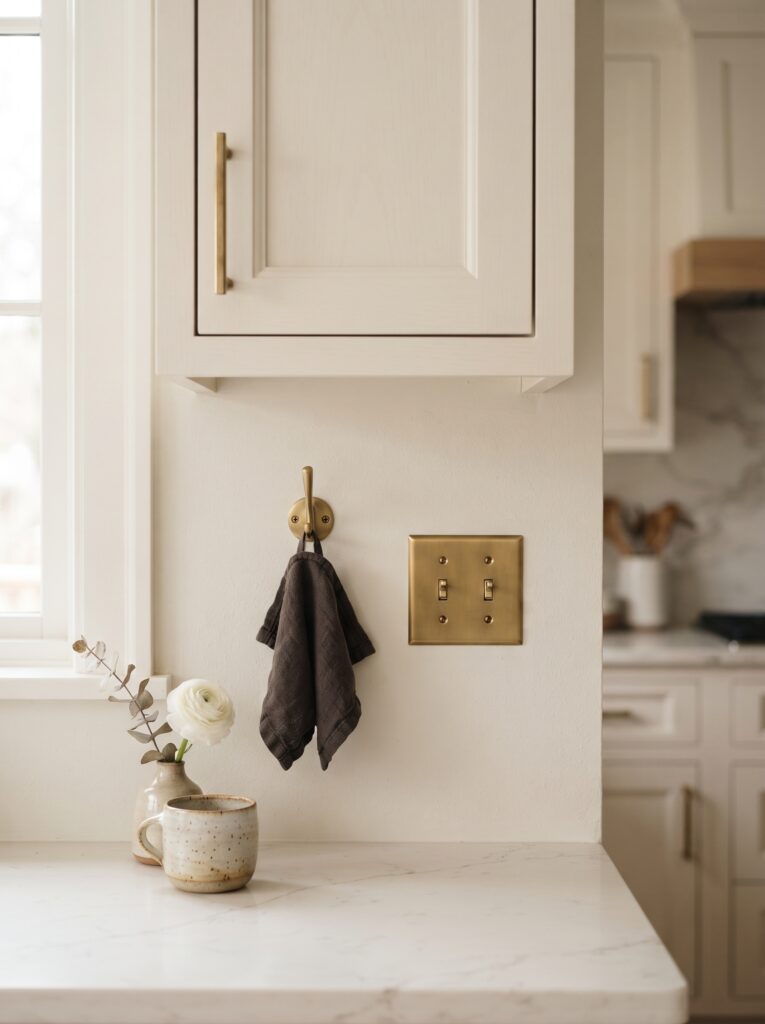
This is one reason professionally designed interiors often feel different from spaces where every item was selected separately. The larger furniture pieces may be beautiful, but the smaller finishing touches help create visual continuity.
For US homeowners looking to make their homes feel more sophisticated without committing to a major renovation, focusing on small home details can be a practical approach. Instead of replacing everything, you can gradually upgrade the elements that you interact with every day.
The goal is not to make every feature look expensive. It is to create a home where the materials, finishes, proportions, and small details feel thoughtfully chosen.
Why Small Details Matter So Much
Interior design is made up of layers.
Large elements such as flooring, cabinetry, furniture, windows, and walls create the foundation. Smaller elements then complete the visual story.
Imagine a beautiful kitchen with custom-looking cabinetry but basic, mismatched hardware.
The cabinets may still look good, but the hardware can make the overall design feel less cohesive.
Now imagine the same kitchen with carefully selected pulls that complement the faucet, lighting, and other finishes.
The entire room can feel more coordinated.
The same principle applies to bedrooms, bathrooms, entryways, home offices, laundry rooms, and other areas throughout the home.
1. Upgrade Cabinet Hardware
Cabinet hardware is one of the easiest small details to change.
You do not necessarily need new cabinets to refresh a kitchen or bathroom.
Replacing old knobs and pulls can give existing cabinetry a completely different appearance.
Popular finish directions include:
- Brushed brass
- Aged brass
- Matte black
- Brushed nickel
- Polished chrome
- Bronze
- Warm metal finishes
The best finish depends on the overall style of your room.
For a warm, sophisticated kitchen, brass hardware can complement natural wood and creamy cabinetry.
For a modern space, simple black pulls can provide crisp contrast.
For a traditional interior, aged or antique-inspired finishes can add character.
2. Choose Hardware Based on Cabinet Proportions
The appearance of cabinet hardware is influenced by scale.
A very small knob on a large drawer may look visually weak.
A very long pull on a small cabinet can look disproportionate.
Before buying hardware, measure your cabinet doors and drawers.
Think about:
- Cabinet width
- Drawer width
- Door height
- Handle length
- Distance between mounting points
- Overall visual weight
A cohesive hardware plan can make cabinetry appear more custom.
3. Coordinate Your Metal Finishes
You do not necessarily have to use only one metal finish throughout your entire home.
However, completely random finishes can make a space feel disconnected.
Instead, create a simple relationship between finishes.
For example:
Kitchen:
Brushed brass cabinet hardware + brass pendant details
Bathroom:
Brushed brass faucet + matching cabinet pulls
Hallway:
Brass door hardware + subtle brass wall accents
This creates repetition without making the entire home feel like a matching furniture set.
4. Don’t Be Afraid to Mix Metals
Mixed metals can add depth when they are intentionally chosen.
For example, a kitchen might include:
- Brass cabinet pulls
- Stainless steel appliances
- Black lighting
- Warm wood accents
The result does not necessarily need to look mismatched.
The key is repetition.
If black appears only once, it can look accidental.
If black is repeated in the lighting, small accessories, and perhaps window hardware, it becomes part of the design.
5. Replace Basic Door Hardware
Door knobs and levers are some of the most frequently touched details in a home.
Upgrading them can create a subtle but noticeable improvement.
Consider hardware with:
- Simple silhouettes
- Quality-looking finishes
- Consistent styling
- Comfortable shapes
For a traditional home, classic round knobs can work beautifully.
For a contemporary home, clean-lined levers may feel more appropriate.
The hardware should suit both the architecture and the rest of your interior.
6. Pay Attention to Light Switch Plates
Light switches are often overlooked because they are functional.
But they are also visible.
A cracked, yellowed, loose, or mismatched switch plate can make an otherwise polished room feel unfinished.
Replacing damaged plates is an easy improvement.
You can also coordinate their finish and style with the surrounding interior.
The goal does not have to be decorative extravagance.
A clean, well-maintained switch plate already makes a difference.
7. Add Beautiful Wall Hooks
Hooks are practical, but they can also become part of the decor.
Consider upgrading basic hooks in areas such as:
- Entryways
- Mudrooms
- Laundry rooms
- Bathrooms
- Bedrooms
A row of simple hooks can look architectural when installed thoughtfully.
Natural wood, aged brass, black metal, or ceramic hooks can add personality while remaining useful.
The important thing is to install them at practical heights and space them appropriately.
8. Upgrade Curtain Hardware
Window treatments can look more polished when the hardware is carefully selected.
Consider the:
- Curtain rod
- Finials
- Brackets
- Rings
- Tiebacks
A simple curtain rod in a coordinated finish can make inexpensive curtains look more intentional.
For a sophisticated appearance, choose hardware that relates to another metal finish already present in the room.
Curtains should also be properly measured and hung so that the entire window treatment looks proportionate.
9. Choose Thoughtful Cabinet Knobs for Small Spaces
In bathrooms, laundry rooms, and small kitchens, cabinet knobs can become subtle design accents.
Because these spaces often contain less furniture, small hardware details may have more visual impact.
A simple ceramic knob can introduce texture.
A brass knob can add warmth.
A black knob can create contrast against light cabinetry.
You can use small details to add personality without overwhelming a compact room.
10. Upgrade Bathroom Hardware
Bathrooms contain numerous small hardware elements.
These include:
- Cabinet pulls
- Towel hooks
- Towel bars
- Toilet paper holders
- Shower hardware
- Robe hooks
Coordinating these pieces can make a bathroom feel much more cohesive.
You do not necessarily need every item to be identical.
Instead, select pieces that share a similar design language and finish.
A simple bathroom with warm white walls, natural wood cabinetry, stone surfaces, and understated brass hardware can feel elegant without excessive decoration.
11. Pay Attention to Hinges
Hinges may seem insignificant, but they are another example of a small architectural detail.
When doors or cabinets have visible hinges, choosing a finish that complements the surrounding hardware can create a more finished appearance.
This is especially useful in kitchens and custom cabinetry.
The goal is not to make hinges the focal point.
They should quietly support the overall design.
12. Add Architectural Trim
Small trim upgrades can have a major visual effect.
Consider:
- Door casing
- Baseboards
- Crown molding
- Picture-frame molding
- Wall paneling
- Simple decorative trim
These features can add depth and architectural character.
Even a simple wall can look more sophisticated when subtle trim creates a structured composition.
The style should match the house.
Traditional molding may suit a classic interior, while simpler profiles can work better in contemporary homes.
13. Use Consistent Hardware Throughout the Home
One way to make a home feel more custom is to create consistency between rooms.
You might use similar hardware finishes for:
- Interior doors
- Cabinets
- Bathroom accessories
- Wall hooks
- Lighting details
This does not mean everything must be identical.
Instead, think of your finishes as a visual vocabulary.
Repeating certain materials helps the rooms feel connected.
14. Upgrade Furniture Hardware
You can also use this strategy on furniture.
An old dresser, nightstand, or console can look completely different after replacing the existing knobs.
Try:
- Brass pulls
- Ceramic knobs
- Wooden knobs
- Black metal pulls
- Vintage-inspired hardware
This can be a particularly useful approach when working with secondhand furniture.
Instead of replacing a perfectly functional piece, update the small details.
15. Give Attention to the Entry Door
The entry door creates the first impression of a home.
Small improvements can include:
- Door hardware
- House numbers
- Door knocker
- Mail slot
- Exterior lighting
- Entry mat
Choose pieces that work together.
A beautiful front door can look even more polished when the hardware and lighting complement its color and architectural style.
16. Upgrade House Numbers
House numbers are another small feature that can have a surprising visual effect.
Traditional homes may suit classic metal numbers.
Modern homes may look better with clean, minimalist lettering.
The important considerations are:
- Readability
- Scale
- Placement
- Contrast
- Relationship to the door
Avoid choosing numbers that are so small they disappear from the street.
17. Add Better Cabinet Lighting
Small lighting improvements can change how cabinetry and shelving are perceived.
Under-cabinet lighting can be useful in kitchens.
Interior cabinet lighting can highlight glass-front storage.
Shelf lighting can emphasize artwork and decorative objects.
Lighting should be comfortable and functional rather than excessively bright.
Warm, carefully positioned illumination can make natural materials and textures feel richer.
18. Upgrade Everyday Accessories
Not every upgrade needs to be permanent.
Even everyday objects can contribute to the overall appearance of a room.
Consider replacing visibly worn or mismatched items such as:
- Tissue boxes
- Soap dispensers
- Storage containers
- Trash bins
- Trays
- Laundry baskets
- Bathroom accessories
This is especially helpful in highly visible areas.
A coordinated group of practical accessories can make a room feel more intentional.
19. Use Trays to Organize Small Items
A decorative tray can turn several unrelated objects into one organized composition.
For example, a bedroom dresser might contain:
- Perfume
- Jewelry
- A small candle
- Hand cream
Instead of spreading everything across the surface, place the items on one tray.
The same idea works on:
- Coffee stations
- Bathroom counters
- Entry consoles
- Kitchen counters
- Bedside tables
Organization itself can contribute to a more sophisticated appearance.
20. Upgrade Your Bathroom Mirrors
The mirror is technically a larger feature, but its frame can be considered a small finishing detail.
A frameless mirror can create a clean modern appearance.
A wood frame can introduce warmth.
A brass frame can add elegance.
A black frame can create contrast.
Instead of automatically selecting the largest mirror available, consider how its shape and finish interact with the vanity, lighting, and hardware.
21. Pay Attention to Faucets
A faucet is both functional and decorative.
Its silhouette and finish can strongly influence the appearance of a kitchen or bathroom.
Choose a faucet that relates to the other finishes rather than selecting one in isolation.
For example, a warm metal faucet can coordinate with cabinet pulls and lighting.
A dark faucet can complement black window frames or accessories.
The objective is visual harmony.
22. Make Small Home Upgrades Without Renovating
If your budget is limited, you do not need to tackle the entire home at once.
Create a priority list.
Start with details that are:
- Highly visible
- Frequently used
- Visibly outdated
- Easy to replace
- Repeated throughout the room
This could mean starting with kitchen hardware rather than replacing the entire kitchen.
Or updating bathroom accessories rather than remodeling the bathroom.
Small improvements can accumulate into a noticeable overall transformation.
23. Choose Timeless Details Over Temporary Trends
Trendy details can be fun, but permanent hardware is worth choosing carefully.
Cabinet pulls, faucets, door handles, and architectural trim are not always things you want to replace every year.
Classic shapes and restrained finishes tend to provide more flexibility.
If you want to experiment with current trends, use easily replaceable accessories such as pillows, artwork, decorative objects, or small textiles.
Keep major finishing details relatively timeless.
24. How to Create a Luxury Look on a Budget
Luxury is often associated with expensive materials, but visual sophistication can also come from consistency and restraint.
A budget-friendly strategy is to:
- Remove visual clutter
- Repair damaged details
- Coordinate hardware
- Improve lighting
- Choose quality-looking finishes
- Use fewer but better accessories
- Keep surfaces organized
- Repeat materials throughout the room
A clean and cohesive room can feel more refined than an expensive room filled with unrelated objects.
25. Small Details for the Kitchen
The kitchen offers countless opportunities for subtle upgrades.
Focus on:
- Cabinet pulls
- Faucet
- Pendant lighting
- Countertop accessories
- Drawer organizers
- Cabinet lighting
- Hardware finish
- Open shelving brackets
You do not need to change everything.
Even replacing cabinet hardware and adding better lighting can make an older kitchen feel refreshed.
26. Small Details for the Bedroom
In a bedroom, focus on elements that contribute to comfort and calm.
Consider:
- Matching bedside hardware
- Elegant lamps
- Coordinated curtain rods
- Quality-looking drawer pulls
- Decorative trays
- Simple picture frames
- Refined door hardware
Avoid excessive accessories.
A bedroom generally benefits from fewer visual distractions.
27. Small Details for the Home Office
Home offices benefit from details that combine function and appearance.
Think about:
- Desk hardware
- Drawer pulls
- Cable management
- Desk lighting
- Storage boxes
- Bookends
- File organization
- Shelf brackets
Keeping cables and small office supplies organized can make an enormous visual difference.
A tidy workspace often feels more intentional than one filled with visible cords and miscellaneous supplies.
28. Small Details for the Laundry Room
Laundry rooms are frequently treated as purely functional spaces, but they can also have attractive finishing details.
Consider:
- Cabinet hardware
- Wall hooks
- Woven baskets
- Coordinated containers
- Simple artwork
- Better lighting
- A practical folding surface
These details can make an everyday chore area feel more pleasant.
29. Small Details for the Entryway
An entryway can benefit from carefully selected practical features.
Think about:
- Hooks
- Door hardware
- Mirror
- Console tray
- Umbrella stand
- Storage baskets
- Lighting
The goal is to make entering and leaving the home easier while keeping the space visually organized.
30. A Simple Small-Details Checklist
If you want to give your home a more custom-designed appearance, walk through each room and look for the following:
Hardware:
Is it coordinated and in good condition?
Lighting:
Are fixtures appropriate for the room?
Switch plates:
Are they clean and intact?
Doors:
Do the handles and hinges complement the interior?
Storage:
Are everyday objects organized?
Accessories:
Are they intentional or simply filling empty space?
Materials:
Do wood, metal, fabric, and stone finishes work together?
Color:
Is there a consistent palette?
This simple review can reveal many inexpensive opportunities for improvement.
31. The Power of Repetition
One of the most effective design principles is repetition.
If you use a particular warm metal finish in one part of the room, repeat it subtly elsewhere.
If you introduce walnut, allow another walnut element to appear nearby.
If your interior uses woven textures, repeat them through baskets, shades, or accessories.
Repetition makes separate objects feel connected.
This is particularly important in open-plan homes where several functional areas are visible at the same time.
32. Don’t Overdo the Details
Small details can improve a home, but too many decorative upgrades can create the opposite effect.
You do not need:
- Multiple hardware finishes everywhere
- Decorative objects on every surface
- Excessive trim
- Too many statement fixtures
- Matching accessories in every room
The goal is subtle refinement.
Choose the details that genuinely improve the room.
Then stop.
Conclusion
A home can feel beautifully designed without undergoing a massive renovation. Sometimes the transformation begins with the smallest features: a new cabinet pull, a better door handle, a coordinated light switch plate, a refined wall hook, or a thoughtfully selected tray.
These details matter because they are repeated throughout everyday life. We touch them, see them, and interact with them constantly.
The secret to making a home feel custom designed is not simply buying more expensive things. It is creating consistency, choosing appropriate proportions, reducing visual clutter, and paying attention to the finishing touches that are often overlooked.
Start with one room rather than trying to change the entire house at once. Identify the small details that look outdated or disconnected, then replace them with pieces that complement the architecture and existing finishes.
Over time, these small improvements can create a home that feels more polished, cohesive, comfortable, and intentional—without requiring a complete remodel.
- Small Home Details That Make Your Space Look Custom Designed
- Window Seat Ideas for a Cozy Reading Retreat at Home
- Built-In Shelf Ideas for a Custom-Looking Home
- Ceiling Design Ideas That Make a Room Feel Instantly More Luxurious
- Fireplace Mantel Decor Ideas That Look Effortlessly Expensive