
A guest bedroom should feel like more than just an extra room in the house. It should feel welcoming, comfortable, peaceful, and thoughtfully designed—a space where visitors can immediately relax and feel at home.
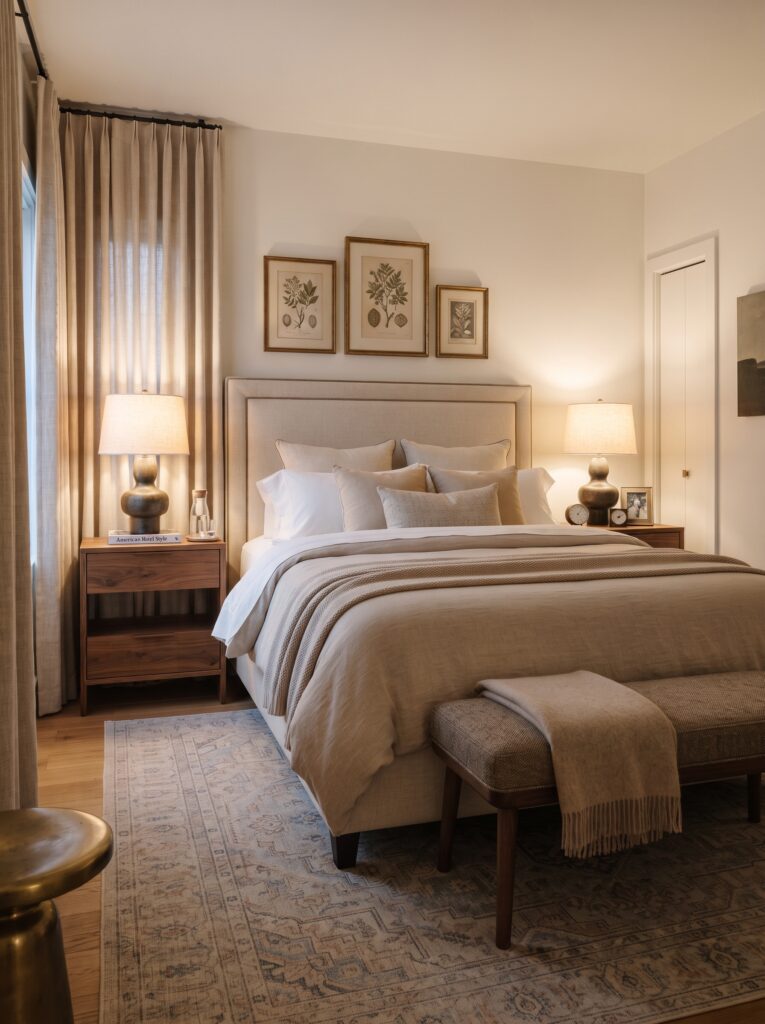
One of the easiest ways to create that atmosphere is to take inspiration from boutique hotels. The best boutique hotel rooms don’t usually rely on excessive decoration. Instead, they combine beautiful bedding, soft lighting, elegant furniture, natural textures, subtle colors, and small thoughtful details that make the room feel special.
The good news is that you don’t need a huge budget or a professionally designed home to recreate that feeling. With the right guest bedroom ideas, even a simple spare bedroom can become a sophisticated retreat that feels polished without looking overly decorated.
Whether you’re furnishing a guest bedroom in a suburban American home, updating an older spare room, or creating a cozy room for visiting family and friends, these ideas can help you achieve that relaxed boutique-hotel look.
Start With a Calm and Sophisticated Color Palette
Color is one of the first things guests notice when they walk into a bedroom. For a boutique-inspired guest room, a calm and neutral palette usually works beautifully.
Instead of using several competing colors, choose a small group of tones that work together. Warm white, ivory, beige, taupe, soft gray, muted brown, creamy oatmeal, and gentle earthy shades can create an inviting foundation.
A neutral room doesn’t have to feel boring.
The secret is to introduce variation through texture rather than relying on strong colors.
For example, you could combine:
- Warm white walls
- Cream bedding
- A taupe upholstered headboard
- Natural wood furniture
- Beige curtains
- A textured area rug
- A few darker brown or charcoal accents
This creates visual depth while keeping the overall atmosphere peaceful.
For U.S. homes, this approach also works particularly well because it can complement many different architectural styles, from modern suburban houses to traditional homes and transitional interiors.
Invest in Beautiful Bedding
If there is one area where you should prioritize comfort, it is the bed.
A boutique hotel-inspired guest bedroom should make the bed look irresistibly comfortable.
Start with high-quality-looking neutral bedding. White or ivory sheets are classic choices because they immediately create that crisp hospitality-inspired appearance.
Layer the bed rather than using one flat blanket.
A polished setup might include:
- Fitted sheet
- Flat sheet
- Lightweight quilt or coverlet
- Duvet or comforter
- Two sleeping pillows
- Decorative pillows
- A folded throw blanket at the foot of the bed
The goal isn’t to cover the bed with dozens of pillows. Instead, use a few carefully chosen pieces.
A textured quilt can add dimension, while a linen or cotton duvet gives the bed a relaxed appearance. A simple throw folded across the bottom creates another layer without making the room feel cluttered.
For a truly boutique-inspired effect, pay attention to how the bedding is arranged.
Even inexpensive bedding can look significantly more luxurious when it is neatly layered and styled.
Choose a Headboard That Becomes the Focal Point
The bed naturally becomes the centerpiece of a guest bedroom, so the headboard deserves attention.
An upholstered headboard can instantly make the room feel more sophisticated. Cream, beige, oatmeal, or soft taupe fabrics are particularly versatile.
If you prefer a warmer look, consider a natural wood headboard.
Rattan, cane, oak, walnut, and other wood finishes can bring an organic quality to the room while preventing the neutral palette from feeling too cold.
For a more dramatic boutique-hotel aesthetic, you could also choose a tall headboard that extends upward behind the bed.
The important thing is to choose a design that feels intentional rather than overly trendy.
A timeless headboard can remain attractive for years, which makes it a smart investment for a guest bedroom that isn’t redesigned frequently.
Create Layers of Lighting
Lighting can completely change how a guest bedroom feels.
A bright overhead fixture may be practical, but it shouldn’t be the only source of light.
Boutique hotels typically create atmosphere by using several different lighting sources throughout the room. You can recreate the same idea at home.
Consider combining:
Bedside lamps:
Place matching lamps on each side of the bed when space allows. This creates symmetry and gives guests an easy source of light for reading.
Wall sconces:
Sconces can provide a more built-in, sophisticated appearance and are especially useful in smaller rooms where bedside tables are limited.
Ceiling lighting:
Choose a fixture that feels like part of the room’s design rather than simply a functional necessity.
Accent lighting:
A small lamp on a dresser or console can create a warm glow during the evening.
Warm-toned bulbs are generally better suited to a relaxing bedroom atmosphere than very cool, bright lighting.
The result should feel soft and layered rather than harsh.
Add Nightstands With Practical Details
A beautiful guest bedroom should also be functional.
Each side of the bed should ideally have a place where guests can put their phone, glasses, book, water bottle, or other personal items.
Matching nightstands create a polished hotel-like appearance, but they don’t necessarily need to be identical.
You could use two similar wooden tables or combine different pieces that share a similar visual weight.
Keep the styling simple.
A bedside table might hold:
- A small table lamp
- A decorative object
- A small vase
- A book
- A coaster
- A small dish for jewelry
Avoid filling the entire surface with accessories.
Guests need usable space.
That small detail can make a room feel much more thoughtfully designed.
Use Curtains to Make the Room Feel Softer
Window treatments can dramatically affect the atmosphere of a guest room.
Bare windows may make the room feel unfinished, while heavy or overly ornate curtains can make it feel dated.
For a boutique-inspired look, consider full-length curtains in a soft neutral fabric.
Hang them higher and wider than the actual window when possible. This can make the windows appear larger and create a more elegant frame around them.
Linen-look curtains, cotton blends, soft woven fabrics, and subtle textured panels can all work beautifully.
If the room receives strong morning sunlight, consider combining decorative curtains with shades or blinds so guests can control the amount of light.
This is particularly important in a guest bedroom because comfort should come before decoration.
Bring in Natural Wood
Natural materials can keep a neutral guest bedroom from looking too sterile.
Wood is one of the easiest ways to add warmth.
You can introduce it through:
- Nightstands
- A dresser
- Bed frame
- Bench
- Picture frames
- Decorative trays
- Small stools
- Floating shelves
Warm walnut tones can create a sophisticated appearance, while lighter oak finishes feel more casual and airy.
Try to repeat the wood tone throughout the room instead of introducing many unrelated finishes.
A few coordinated wooden elements can make a space feel cohesive without requiring extensive decorating.
Add One Comfortable Seating Area
If there is enough space, consider adding a small seating area.
You don’t need a large sofa.
A single accent chair near the window, a small upholstered bench at the end of the bed, or a compact lounge chair in an unused corner can make the room feel more complete.
A chair also gives guests a place to sit without having to use the bed.
Style it with a soft throw or small cushion, but don’t overdo it.
The goal is to create a useful little retreat within the guest room.
Make the Bedside Area Feel Thoughtful
One of the biggest differences between an ordinary spare bedroom and a boutique-inspired guest room is attention to small details.
Think about what a visitor might need during an overnight stay.
A small bedside tray could hold a glass or carafe of water. A charging station can keep phones organized. A small basket could provide extra blankets.
You could also place a simple card with the Wi-Fi information somewhere easy to find.
These details don’t need to look like a hotel welcome package.
They should simply make the room easier and more comfortable to use.
Good guest room design combines beauty with hospitality.
Add a Soft Area Rug
A rug can make a guest bedroom feel warmer and more finished.
This is particularly useful if the room has hardwood or another hard flooring surface.
Choose a rug large enough to visually connect the main furniture pieces rather than using a tiny rug floating underneath the bed.
Neutral rugs are especially versatile.
Look for subtle patterns, woven textures, vintage-inspired designs, or understated geometric details.
A rug with some visual variation can add character while still keeping the room calm.
For a boutique-hotel feeling, avoid choosing every item in exactly the same shade.
Instead, create gentle tonal differences.
Cream next to beige.
Beige next to taupe.
Taupe next to warm brown.
These subtle variations create sophistication.
Add Art Instead of Filling Every Wall
Guest bedrooms don’t need to have a gallery wall on every surface.
Sometimes one large piece of artwork above the bed can have a stronger effect than several small decorations.
Consider:
- Abstract artwork
- Landscape photography
- Botanical prints
- Minimal line art
- Vintage-inspired artwork
- Neutral textured art
Choose artwork that complements the room’s palette.
If the bedding is simple, artwork can introduce a little personality.
If the room already has strong architectural details, understated artwork may be enough.
The goal is to make the room feel collected rather than decorated all at once.
Introduce Natural Textures
Texture is particularly important when working with neutral colors.
Without texture, beige and cream can sometimes look flat.
Instead, layer different materials throughout the room.
Think about:
- Linen
- Cotton
- Wool
- Bouclé
- Woven baskets
- Rattan
- Cane
- Wood
- Ceramic
- Stone
A linen duvet next to a woven basket and a wooden nightstand creates a much richer visual experience than using multiple decorative objects in the same material.
This is one of the easiest ways to create a sophisticated bedroom without relying on expensive furniture.
Keep Decor Minimal but Intentional
A boutique hotel room rarely feels crowded.
Every object has a purpose or contributes to the overall atmosphere.
The same principle can work in your guest bedroom.
Instead of filling the dresser with decorative objects, select a few pieces that actually add something to the space.
A ceramic vase.
A framed photograph.
A small lamp.
A beautiful tray.
A sculptural object.
A stack of books.
You don’t need all of them.
Choose the pieces that make the room feel personal and refined.
This creates a more luxurious appearance because the eye has room to move around the space.
Create a Small Guest Welcome Station
If you want your guest bedroom to feel particularly special, create a small welcome area.
This could be as simple as a tray on the dresser containing a few useful items.
For example:
- Bottled or filtered water
- Drinking glasses
- A small snack
- Tissues
- Hand lotion
- A small notepad
- Wi-Fi information
Keep everything visually organized.
A beautiful tray can turn practical items into part of the decor.
This is a great way to bring hospitality into the design without making the room feel like a commercial hotel.
Use a Bench at the Foot of the Bed
A bench can be both decorative and functional.
It gives guests a place to sit while putting on shoes and can also provide a convenient spot for folded blankets or decorative pillows.
For a refined look, consider an upholstered bench in a neutral fabric.
For a more relaxed bedroom, a wooden or woven bench can introduce natural texture.
Make sure the bench is proportional to the bed.
A tiny bench underneath a large king bed can look visually disconnected, while an oversized bench can make the room feel crowded.
Add Greenery Carefully
A little greenery can bring life into a guest room.
You don’t need a jungle of plants.
One attractive plant in a ceramic pot can be enough.
If the room has limited natural light or isn’t used frequently, a high-quality artificial plant may be more practical.
Branches in a simple vase can also create an elegant look without requiring much maintenance.
Keep the arrangement natural and uncomplicated.
The purpose is to add freshness, not another major focal point.
Don’t Forget Storage
A guest bedroom should look beautiful, but guests also need somewhere to put their belongings.
If possible, leave some closet space available.
Provide a few empty hangers and make sure the dresser isn’t completely filled with your personal belongings.
A luggage bench can also be extremely useful.
Even a simple folding luggage rack can make a difference because guests don’t have to leave their suitcase on the floor or bed.
This is one of those details that may not appear in a Pinterest photograph, but it dramatically improves the real-life experience of the room.
Choose a Mirror That Adds Style
A mirror can make a guest bedroom feel larger and brighter.
Instead of choosing a purely functional mirror, consider one that contributes to the room’s design.
An oversized rounded mirror can soften a room filled with straight lines.
A vintage-inspired frame can introduce character.
A simple wood-framed mirror can complement a warm organic palette.
Position it where guests can easily use it, such as near a dresser or entry area.
If possible, place the mirror where it can reflect natural light.
This can make the room feel more open during the day.
Give the Room a Sense of Personality
A guest bedroom should not feel like a completely anonymous hotel room.
The boutique-hotel inspiration is about comfort and sophistication—not removing all personality.
Introduce subtle character through artwork, books, textiles, vintage pieces, or meaningful objects.
For example, a small collection of travel books can make a bedside table feel more personal.
A framed landscape photograph can create a connection to the home’s surroundings.
A vintage ceramic vase can give a neutral room some history.
The best interiors usually combine new and old pieces rather than making everything look as if it came from one store.
Create a Relaxing Evening Atmosphere
Think about how the guest room feels after sunset.
This is when lighting and texture become especially important.
Turn off the bright overhead light and allow bedside lamps, accent lamps, and soft lighting to create a warmer environment.
Close the curtains.
Fold a soft throw across the bed.
Keep the room visually uncluttered.
These small changes can transform the atmosphere.
A guest room that feels peaceful at night will feel significantly more luxurious than one that only looks beautiful during the day.
Guest Bedroom Ideas for Different Home Styles
The boutique-hotel concept can work with many interior styles.
Modern Guest Bedroom
Use clean furniture, warm neutrals, simple artwork, and minimal accessories.
Keep the design streamlined but add texture through bedding, rugs, and curtains.
Traditional Guest Bedroom
Use classic furniture, layered textiles, framed artwork, and warm wood tones.
You can introduce modern lighting or contemporary accessories to keep the room from feeling dated.
Organic Modern Guest Bedroom
Combine natural wood, linen, woven materials, earthy colors, and simple sculptural decor.
This style works particularly well when you want the room to feel relaxed and sophisticated.
Coastal Guest Bedroom
Use soft whites, sandy neutrals, natural textures, and subtle blue or sea-inspired accents.
Avoid overusing obvious nautical decorations.
Transitional Guest Bedroom
Combine traditional furniture shapes with modern colors, simple artwork, and updated lighting.
This can be an especially practical approach for American homes because it feels timeless while still looking current.
How to Make a Small Guest Bedroom Feel Luxurious
A small room doesn’t need to feel limited.
In fact, smaller bedrooms can sometimes feel more intimate and hotel-like.
Choose furniture carefully.
Instead of filling the room with oversized pieces, prioritize the bed, compact nightstands, and one additional storage or seating piece.
Use mirrors strategically.
Keep the color palette light.
Choose curtains that extend toward the floor.
Avoid excessive accessories.
And most importantly, maintain clear walking space around the bed.
A small room with excellent proportions will usually feel more luxurious than a large room filled with furniture.
The Most Important Detail: Comfort
It’s easy to focus so much on aesthetics that comfort becomes secondary.
Don’t make that mistake.
A guest bedroom should look beautiful, but it should also be genuinely comfortable.
Choose bedding that feels pleasant against the skin.
Make sure the mattress is supportive.
Offer different pillow options if possible.
Keep the temperature comfortable.
Provide enough lighting for reading.
Leave accessible outlets near the bed.
Give guests enough storage space.
These practical details are what transform a beautiful room into a welcoming room.
A Simple Boutique-Hotel Guest Room Formula
If you’re unsure where to begin, use this simple formula:
1. Neutral foundation
Start with warm whites, beige, taupe, or soft earthy colors.
2. Beautiful bed
Make the bed the main focal point with layered bedding and a refined headboard.
3. Warm lighting
Use bedside lamps, sconces, and soft accent lighting.
4. Natural materials
Bring in wood, woven textures, linen, cotton, and ceramics.
5. Minimal accessories
Use fewer decorative objects, but choose them carefully.
6. Practical hospitality
Provide water, Wi-Fi information, storage, charging access, and empty closet space.
7. Personal character
Add artwork, books, or meaningful objects that make the room feel connected to the home.
This combination creates a guest bedroom that looks sophisticated without feeling overly staged.
Conclusion
The most beautiful guest bedroom ideas aren’t necessarily the ones with the most expensive furniture or the largest rooms. They’re the spaces where every detail has been considered—from the softness of the bedding to the warmth of the lighting and the practicality of the storage. A boutique-hotel-inspired guest room is ultimately about creating an experience.
Use a calm color palette. Layer the bed with comfortable textiles. Add warm lighting, natural materials, understated artwork, and a few thoughtful accessories. Most importantly, make the room easy and comfortable for someone who is staying in your home.
You don’t need to completely renovate a spare bedroom to achieve this look. Sometimes a new duvet, better lighting, elegant curtains, a textured rug, and a few carefully selected accessories can completely transform the atmosphere. The result should feel polished but not perfect, luxurious but not excessive, and welcoming rather than overly decorated.
When guests walk into the room and immediately feel that they can relax, unpack, settle in, and stay awhile, you’ve created something far more valuable than a beautiful bedroom—you’ve created a true retreat.
- Fireplace Mantel Ideas That Make a Home Feel Collected
- Guest Bedroom Ideas That Feel Like a Boutique Hotel
- Dreamy Sunroom Ideas for a Light-Filled Cozy Home
- Walk-In Pantry Ideas That Make a Kitchen Look Instantly Expensive
- Luxury Home Bar Ideas for a Sophisticated Hosting Space