
The most beautiful homes do not always look like everything was purchased at the same time. In fact, interiors often feel more interesting, sophisticated, and personal when they combine pieces from different eras.
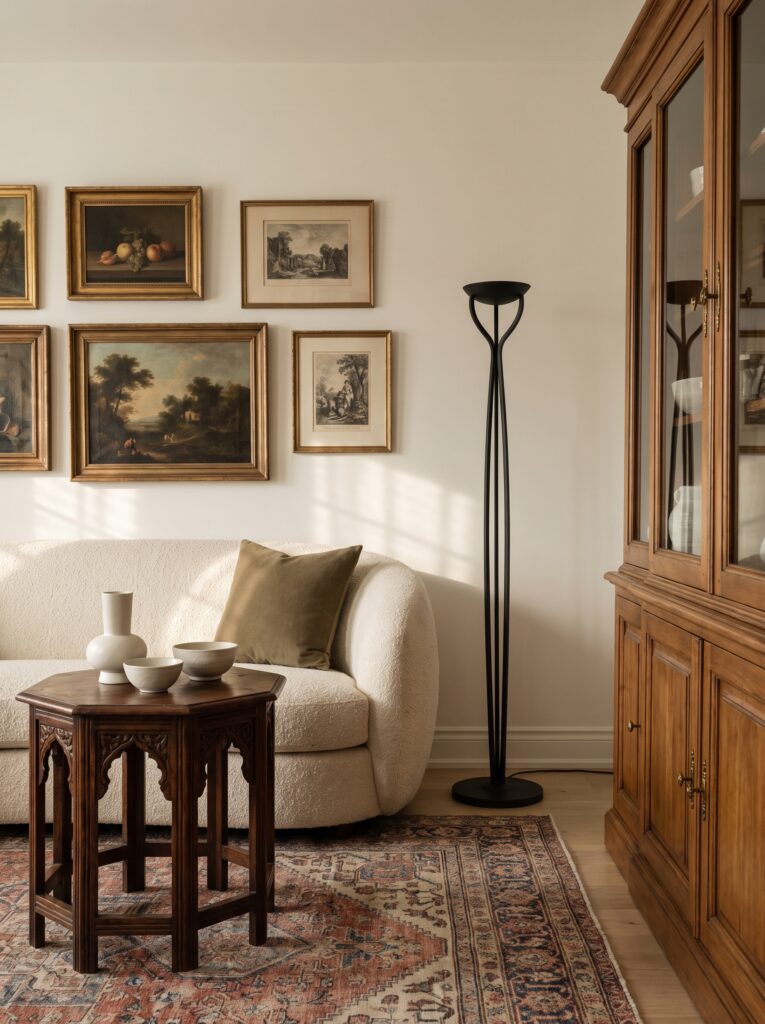
A sleek contemporary sofa can look incredible next to an antique wooden table. A vintage landscape painting can add warmth to a modern dining room. An old-world rug can soften a minimalist space, while a contemporary light fixture can give traditional furniture a fresh and unexpected appearance.
This is the beauty of mixing vintage and modern decor.
The goal is not to make your home look like a furniture showroom or a perfectly matched catalog. Instead, the idea is to create a space that feels collected, layered, comfortable, and personal.
For homeowners in the United States who want timeless interiors with personality, combining old and new pieces is one of the most flexible decorating approaches. It allows you to incorporate inherited furniture, vintage finds, antique accessories, thrifted pieces, modern purchases, and contemporary artwork without forcing everything into one decorating style.
The secret is knowing how to create visual connections between pieces that may come from completely different periods.
What Is Vintage-Modern Interior Design?
Vintage-modern interior design combines older, antique, or vintage-inspired pieces with contemporary furniture, lighting, materials, and accessories.
A vintage piece does not necessarily have to be hundreds of years old.
It could be an older wooden cabinet, a vintage mirror, an antique-style rug, a secondhand side table, an old framed painting, a retro lamp, or even a family heirloom.
Modern elements can include streamlined sofas, contemporary lighting, minimalist tables, modern artwork, clean-lined cabinetry, and current materials.
When these elements are balanced correctly, the room feels layered rather than mismatched.
The important thing is to create relationships between the pieces.
A vintage object should feel connected to the modern surroundings through color, material, shape, scale, or repetition.
Why Mixing Old and New Makes a Home Feel More Personal
A home filled entirely with brand-new furniture can sometimes feel beautiful but impersonal.
Everything may match perfectly, yet the room may lack a sense of history.
Vintage pieces solve this problem.
An old wooden table has texture and character.
A vintage painting carries a sense of history.
An antique mirror can introduce imperfections that make a room feel more authentic.
These elements can make a contemporary home feel lived-in rather than staged.
Mixing old and new also gives you more freedom.
You do not have to replace every piece of furniture just because your decorating style has changed.
Instead, you can keep meaningful pieces and introduce modern elements around them.
That creates an interior that evolves over time.
1. Start With One Vintage Statement Piece
If you are new to mixing decorating styles, do not try to combine everything at once.
Start with one strong vintage piece.
It could be:
- An antique cabinet
- A vintage rug
- An old wooden table
- A decorative mirror
- A vintage painting
- A traditional armchair
- An inherited dresser
- An antique console
Let that piece become the character element of the room.
Then surround it with simpler contemporary furniture.
For example, place an antique wooden console beneath a modern abstract painting.
Or pair a vintage rug with a streamlined cream sofa.
The contrast immediately creates visual interest.
2. Pair a Contemporary Sofa With Vintage Furniture
The sofa is often the largest piece in a living room, which makes it an excellent anchor for combining old and new.
A modern cream, beige, gray, or brown sofa can work beautifully with vintage side tables, antique lamps, traditional rugs, or older artwork.
The contemporary sofa provides a clean foundation.
The vintage accessories add character.
This combination prevents the room from becoming overly traditional while also keeping the modern furniture from feeling sterile.
For a sophisticated American living room, consider a contemporary curved sofa, an aged wood coffee table, a vintage rug, and traditional framed artwork.
The result can feel both current and timeless.
3. Use Vintage Rugs to Ground Modern Furniture
A vintage-style rug is one of the easiest ways to introduce old-world character into a modern room.
Rugs have a large visual footprint, so even one can dramatically change the atmosphere.
A faded Persian-inspired rug can soften a minimalist living room.
A traditional runner can add warmth to a modern hallway.
A vintage-inspired rug beneath a contemporary dining table can create a beautiful contrast.
Look for rugs with muted colors rather than extremely bright patterns if you want a sophisticated appearance.
Warm beige, faded blue, muted rust, olive, brown, cream, and dusty rose can work beautifully with modern furniture.
4. Mix Modern Lighting With Traditional Furniture
Lighting is one of the easiest ways to create contrast.
Imagine a traditional dining table surrounded by classic wooden chairs, but above it hangs a sculptural contemporary pendant.
The modern fixture instantly updates the room.
The same principle works in bedrooms, offices, entryways, and living rooms.
A vintage room does not need vintage lighting everywhere.
In fact, contemporary lighting can prevent traditional furniture from making the room feel dated.
Try pairing:
A vintage cabinet + modern lamp.
An antique table + sculptural pendant.
Traditional artwork + minimalist wall light.
Vintage furniture + oversized contemporary chandelier.
These combinations create tension in a good way.
5. Repeat Colors to Connect Different Eras
Color is one of the easiest ways to make unrelated pieces feel connected.
Imagine a room containing a vintage rug with muted olive, cream, and brown.
You can repeat those colors in the modern furniture and accessories.
Perhaps the sofa is cream.
The curtains are warm beige.
The accent chair has an olive cushion.
The wood furniture introduces brown.
Suddenly the vintage and contemporary pieces feel like part of the same composition.
This is one of the most useful rules for mixing decorating styles.
You do not need matching furniture.
You need a cohesive color story.
6. Mix Wood Tones Carefully
Vintage furniture often comes with beautiful natural wood finishes.
Modern furniture may use lighter oak, walnut, black wood, or painted finishes.
You do not have to make every wood tone identical.
Different wood tones can actually make a room feel more layered.
However, there should still be some visual connection.
Try repeating a wood tone at least two or three times throughout the room.
For example, an antique walnut cabinet can connect with a modern walnut side table.
A vintage oak chair can work alongside light oak flooring and a contemporary wood console.
The goal is coordination without excessive matching.
7. Combine Antique Mirrors With Modern Interiors
An antique or vintage-inspired mirror can instantly add character to a contemporary space.
Imagine a modern entryway with a slim console, minimalist lighting, and an ornate aged mirror.
The mirror becomes the unexpected element.
Its traditional character contrasts with the clean lines around it.
This is particularly effective in:
- Entryways
- Bedrooms
- Dining rooms
- Bathrooms
- Hallways
- Living rooms
Aged finishes are often more interesting than perfectly polished surfaces because they introduce texture and visual history.
8. Use Traditional Artwork in Contemporary Rooms
Artwork is another simple way to mix eras.
A modern room does not have to contain only contemporary abstract art.
A vintage landscape painting, botanical print, portrait, or antique-inspired artwork can create a beautiful focal point.
Try placing traditional artwork above a modern sofa.
Or hang an old-world painting in a contemporary dining room.
The contrast can make both the artwork and furniture feel more interesting.
For an especially sophisticated look, choose artwork with colors that already appear elsewhere in the room.
9. Mix Different Furniture Shapes
Shape can help create harmony between old and new pieces.
Traditional furniture often has curved edges, turned legs, carved details, or decorative silhouettes.
Modern furniture frequently uses clean lines and simplified forms.
Instead of avoiding these differences, use them intentionally.
Pair a curved vintage chair with a modern rectangular coffee table.
Place a sculptural contemporary lamp on an antique wooden desk.
Use a rounded modern sofa beside a traditional cabinet.
The variation makes the room feel dynamic.
10. Keep One Element Consistent
When combining different styles, having one consistent element can prevent visual chaos.
That element could be:
- Color
- Material
- Scale
- Shape
- Finish
- Texture
For example, if your furniture comes from different eras, keep the color palette relatively controlled.
If your colors are varied, use consistent materials.
If the furniture styles are dramatically different, repeat similar shapes.
This creates a visual thread throughout the room.
11. Use Modern Furniture to Make Vintage Pieces Feel Fresh
Sometimes a vintage piece can look dated when surrounded by too many traditional elements.
A contemporary piece can completely change its appearance.
Imagine an antique wooden dresser with a modern ceramic lamp.
Or an old cabinet beneath a minimalist artwork.
Or a traditional chair paired with a sleek side table.
The modern elements act as a visual reset.
They allow the vintage piece to become interesting rather than old-fashioned.
12. Use Vintage Pieces to Soften Modern Interiors
The opposite strategy works just as well.
A room filled with sleek contemporary furniture can sometimes feel cold.
Adding a vintage piece introduces warmth.
Try adding:
A weathered wood stool.
An antique side table.
A vintage rug.
A traditional painting.
A ceramic vase with an aged finish.
A secondhand wooden cabinet.
These small additions can make a contemporary home feel more welcoming.
13. Mix Old and New in the Dining Room
Dining rooms are perfect for this design approach.
Consider a modern dining table surrounded by vintage-inspired chairs.
Or use a traditional wooden table with contemporary upholstered seating.
Add a modern chandelier above the table and traditional artwork on the wall.
A vintage rug underneath everything can tie the composition together.
The result feels sophisticated without looking overly formal.
For American homes, this approach works particularly well in open-concept spaces where the dining area needs to connect visually with the kitchen and living room.
14. Create a Vintage-Modern Bedroom
A bedroom can benefit from a combination of soft modern materials and vintage details.
Try a contemporary upholstered bed with:
- Antique bedside tables
- Vintage lamps
- Traditional artwork
- An old-world rug
- Linen bedding
- A vintage mirror
Keep the overall palette calm.
Cream, beige, warm white, muted brown, dusty blue, and soft olive can create a timeless atmosphere.
The bedroom should feel comfortable rather than overly decorated.
15. Mix Vintage and Modern in the Entryway
The entryway is a small space, which makes it perfect for experimenting.
A modern console can be paired with an antique mirror.
A traditional cabinet can be styled with contemporary ceramics.
A vintage runner can soften a modern hallway.
Because entryways are relatively small, one or two contrasting elements can make a significant impact.
Keep the remaining decor simple.
16. Don’t Try to Make Everything Match
One of the biggest mistakes people make when decorating is trying to make every item coordinate perfectly.
A vintage-modern interior should have some contrast.
Your furniture does not need to come from the same collection.
Your artwork does not have to match your sofa.
Your mirror does not have to match your coffee table.
Instead, think about whether the pieces feel connected.
Ask yourself:
Does the color work?
Does the scale work?
Does the room have enough balance?
Is there a repeated material?
Does one piece visually connect to another?
These questions are more useful than simply asking whether everything matches.
17. Balance the Room With Scale
Scale is extremely important when mixing old and new furniture.
A tiny antique side table may disappear beside an oversized contemporary sofa.
A huge vintage cabinet may overpower delicate modern furniture.
Pay attention to proportions.
Large pieces should have enough visual weight around them.
Small decorative objects should be grouped thoughtfully.
A well-balanced room can contain dramatically different styles while still feeling harmonious.
18. Introduce Vintage Decor Through Accessories
If you are not ready to purchase vintage furniture, start with accessories.
Try:
Vintage books.
Old frames.
Decorative ceramics.
Brass candlesticks.
Antique-inspired trays.
Traditional artwork.
Vintage clocks.
Old-world baskets.
Decorative boxes.
These smaller pieces are easier to experiment with and can be moved between rooms.
Over time, you can gradually introduce larger vintage furniture pieces.
19. Shop Your Own Home First
Before purchasing anything new, look around your home.
You may already own pieces that could work beautifully in a different room.
An old side table from a bedroom could become an entryway console.
A vintage chair could become a reading corner accent.
A framed family photograph could become part of a gallery wall.
A wooden cabinet could become a dining room storage piece.
Moving existing furniture can completely change how it feels.
Sometimes the best decorating update costs nothing.
20. Use Thrifted Pieces Strategically
Thrift stores, estate sales, flea markets, antique shops, and secondhand marketplaces can be excellent sources of unique decor.
But avoid buying something simply because it is old.
Look for pieces with good proportions, interesting materials, useful shapes, and finishes that can work with your existing interior.
A beautiful vintage object should have a reason for being in your home.
Quality and character are more important than age.
How to Mix Vintage and Modern Decor by Room
Living Room
Start with a contemporary sofa and add vintage artwork, an old-world rug, antique tables, and one statement vintage accessory.
Dining Room
Combine a traditional table with contemporary chairs or a modern chandelier.
Bedroom
Use a modern upholstered bed with antique nightstands, vintage lamps, and traditional artwork.
Entryway
Pair a modern console with an antique mirror and vintage runner.
Home Office
Combine a vintage wooden desk with a modern ergonomic chair and contemporary lighting.
Kitchen
Add vintage stools, antique cutting boards, old ceramics, or traditional artwork to a modern kitchen.
The 80/20 Rule for Mixing Styles
If you are unsure how much vintage to use, consider an approximate 80/20 balance.
Around 80 percent of the room can establish the primary style.
The remaining 20 percent can provide contrast.
For example, a mostly contemporary living room could contain several vintage elements without becoming traditionally decorated.
This is not a strict design formula.
Think of it as a starting point.
You can adjust the balance according to your personality.
Some homeowners may prefer a 70/30 mix.
Others may love a more eclectic 50/50 approach.
The goal is visual harmony rather than mathematical precision.
How to Make Vintage Decor Feel Modern
Vintage furniture can often be updated through styling.
Pair it with modern artwork.
Use contemporary lighting.
Add simple textiles.
Place it against a clean architectural background.
Avoid filling the room with too many traditional accessories.
A vintage cabinet surrounded by modern elements can feel incredibly current.
The piece does not need to be changed.
The environment around it changes its appearance.
How to Make Modern Decor Feel Warmer
If your home feels too minimal or contemporary, vintage pieces can introduce softness and history.
Add an aged wood table.
Bring in a vintage rug.
Hang traditional artwork.
Use ceramic objects with handmade imperfections.
Add warm-toned metals.
Layer linen and wool textiles.
These details can make a modern home feel more welcoming without changing its fundamental style.
Common Mistakes to Avoid
One common mistake is using too many vintage pieces without enough contemporary contrast. This can make a home feel visually stuck in one era.
Another mistake is buying random vintage items without considering the existing color palette.
It is also possible to create clutter by displaying too many small decorative objects.
Instead, select fewer pieces and give each one room to stand out.
Avoid forcing a vintage-modern combination when the proportions do not work.
A beautiful object can still look wrong if it is too small, too large, or positioned awkwardly.
Finally, do not confuse “collected” with “cluttered.”
A sophisticated home can contain many different eras while still maintaining breathing room.
The Secret to a Beautiful Vintage-Modern Home
The secret is not finding the perfect combination of old and new furniture.
It is creating relationships.
A vintage table may connect to a modern chair through color.
An antique mirror may connect to contemporary lighting through its metallic finish.
A traditional rug may connect to modern furniture through repeated colors.
A vintage painting may connect to contemporary accessories through its palette.
Once you begin looking at your home in terms of relationships rather than matching furniture, decorating becomes much easier.
Conclusion
Mixing vintage and modern decor is one of the best ways to create a home that feels timeless, personal, and full of character. Instead of choosing between traditional and contemporary interiors, you can bring the best qualities of both into the same space. Modern furniture can provide clean lines, comfort, and simplicity, while vintage pieces can add texture, history, warmth, and personality. The key is to create connections through color, scale, materials, shapes, and repetition rather than trying to make every piece match perfectly.
Whether you begin with an antique mirror, a vintage rug, an inherited wooden table, a secondhand cabinet, or a traditional piece of artwork, even one carefully selected vintage element can completely change the atmosphere of a contemporary room. Likewise, modern lighting, streamlined furniture, and simple accessories can give traditional pieces a fresh and current appearance.
The most successful vintage-modern homes feel collected naturally rather than decorated according to one strict style. They have enough contrast to remain interesting but enough consistency to feel peaceful and intentional. If you want a home that looks beautiful today while still feeling relevant years from now, mixing old and new may be the decorating approach worth embracing.
Start with the pieces you already love, add modern elements thoughtfully, and allow your home to develop its own story over time.
- Afrohemian Dining Room Ideas for a Warm, Collected and Sophisticated Home
- Warm Wood and Black Kitchen Ideas for a Timeless Designer Look
- Small Reading Nook Ideas That Turn Forgotten Corners Into a Cozy Luxury Retreat
- Curated Trinket Shelf Ideas: How to Create a Collected and Personal Home
- Neo Deco Entryway Ideas That Make Your Home Feel Instantly Expensive