
Walk into any professionally designed home, and you’ll notice something interesting. It isn’t always filled with expensive furniture or custom-built features. Instead, it feels warm, balanced, welcoming, and effortlessly luxurious. The secret isn’t spending more—it’s understanding the art of layering.
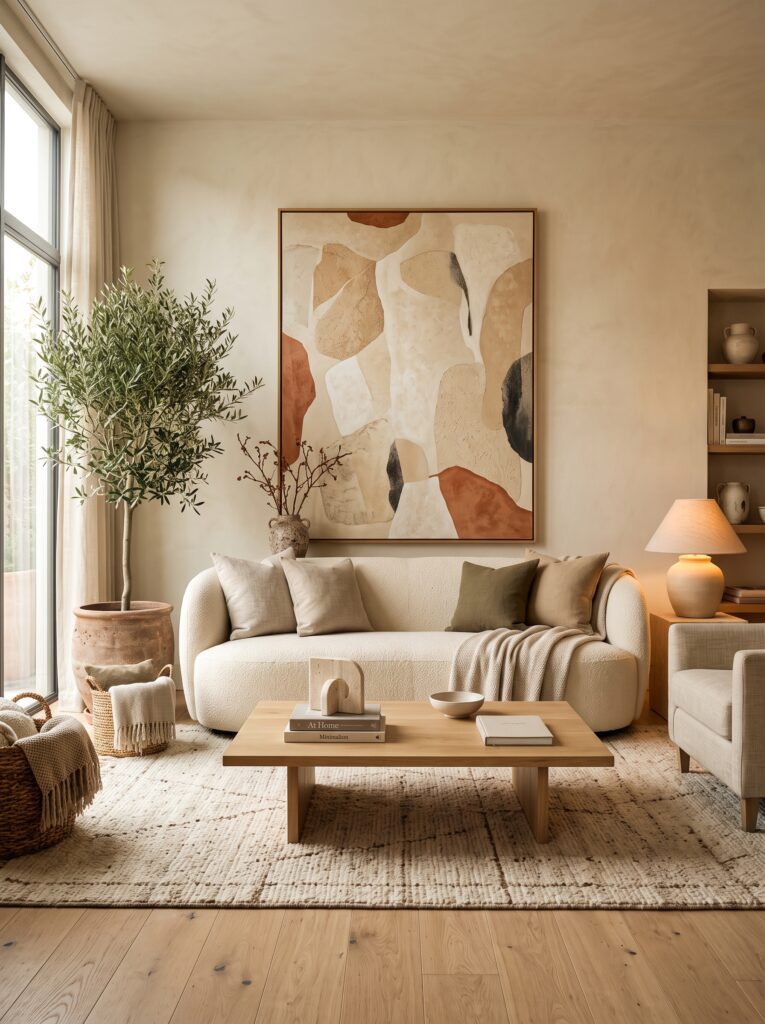
Layering is one of the most powerful interior design techniques used by professional decorators across the United States. Rather than relying on a single statement piece, designers combine textures, materials, lighting, colors, and carefully chosen accessories to create depth and personality. Every element works together to make the room feel complete.
Whether you’re decorating your first apartment, refreshing your family home, or designing your dream house, learning how to layer your space can instantly make it look more sophisticated without exceeding your budget.
What Does Layering Mean in Interior Design?
Layering is the process of adding multiple complementary design elements that create visual depth and balance. Instead of decorating with isolated pieces, every item contributes to a cohesive story.
Professional designers rarely finish a room after placing furniture. They continue adding softness, texture, lighting, artwork, greenery, and decorative accessories until the room feels comfortable and lived-in.
Think of your home the same way you think about fashion. A beautiful outfit isn’t just a shirt and pants—it includes shoes, jewelry, accessories, and textures that complete the look. Your home works exactly the same way.
Why Layered Interiors Feel More Luxurious
Luxury homes rarely feel empty or overly decorated. They achieve a perfect balance between simplicity and richness.
Layering creates:
- Visual warmth
- Better texture
- Higher-end appearance
- Comfortable atmosphere
- Timeless style
- Greater functionality
- Designer-quality finishes
Instead of feeling flat or unfinished, layered spaces invite people to relax and stay longer.
Start With a Neutral Foundation
Every professionally designed room begins with a calm foundation.
Neutral colors remain one of the strongest interior design trends in the United States because they never go out of style and allow every decorative element to shine.
Popular luxury neutral colors include:
- Warm white
- Cream
- Soft beige
- Mushroom taupe
- Greige
- Sand
- Warm gray
- Light oatmeal
These colors reflect natural light beautifully and make rooms feel brighter and more spacious.
Mix Different Textures Instead of More Colors
Many homeowners believe adding more colors creates interest. Professional designers know that texture creates luxury.
Try combining:
- Linen curtains
- Bouclé chairs
- Velvet pillows
- Woven baskets
- Natural oak furniture
- Marble accents
- Travertine décor
- Ceramic vases
- Cotton throws
- Wool rugs
Even when everything stays within the same color family, these materials create visual richness.
The Rule of Three Layers
Every beautiful room usually includes three major design layers.
Layer One: Furniture
Choose simple, timeless furniture with clean silhouettes.
Focus on quality rather than quantity.
Layer Two: Soft Furnishings
Add comfort through:
- Area rugs
- Throw pillows
- Blankets
- Curtains
- Upholstered seating
These soften the room while making it feel inviting.
Layer Three: Decorative Styling
Finish the room using:
- Coffee table books
- Candles
- Sculptural décor
- Plants
- Artwork
- Decorative bowls
- Lamps
- Vases
This final layer is what transforms a house into a home.
Why Lighting Changes Everything
Lighting is often the biggest difference between an average room and a professionally designed one.
Instead of relying on a single ceiling light, layer multiple light sources.
Use:
- Table lamps
- Floor lamps
- Wall sconces
- Picture lights
- Pendant lighting
- Warm LED bulbs
- Accent lighting
Warm lighting creates a cozy atmosphere that photographs beautifully and enhances every texture in the room.
Incorporate Natural Materials
Organic materials continue to dominate American home design because they create warmth and authenticity.
Some of the most popular materials include:
- White oak
- Walnut
- Marble
- Travertine
- Limestone
- Rattan
- Cane
- Linen
- Cotton
- Leather
These materials age beautifully and never feel trendy.
Style Every Surface Thoughtfully
Professional designers avoid clutter while ensuring every surface feels intentional.
For a coffee table, try combining:
- One decorative tray
- Two coffee table books
- One candle
- A ceramic vase
- Fresh greenery
For console tables:
- Large artwork or a mirror
- Table lamp
- Decorative bowl
- Small stack of books
- Sculptural object
Leaving negative space is just as important as adding accessories.
Use Artwork to Add Personality
Blank walls can make even expensive homes feel unfinished.
Oversized artwork instantly elevates a room.
Popular choices include:
- Abstract paintings
- Black-and-white photography
- Textured canvas art
- Landscape prints
- Organic line art
Hang artwork at eye level and scale it appropriately to the furniture below.
Bring Life Into Every Room
Indoor plants soften architectural lines and add movement.
Popular designer favorites include:
- Olive trees
- Fiddle leaf figs
- Rubber plants
- Snake plants
- Monstera
- Eucalyptus stems
- Dried pampas grass
Even high-quality faux plants can create the same visual effect with less maintenance.
Keep Accessories Purposeful
A common decorating mistake is buying random decorative items that don’t relate to each other.
Instead, choose accessories that follow one consistent theme.
Examples include:
- Natural stone
- Handmade ceramics
- Vintage-inspired glass
- Matte black accents
- Brushed brass finishes
- Organic shapes
Consistency creates elegance.
Create Balance Through Scale
Professional rooms always balance large and small elements.
Mix:
- Tall lamps with low coffee tables
- Large artwork with small accessories
- Oversized mirrors with compact consoles
- Wide sofas with slender side tables
This contrast creates visual harmony.
Add Seasonal Layers Without Redecorating
Instead of changing your entire home each season, swap smaller details.
Spring:
Fresh flowers, light linen throws, woven baskets.
Summer:
Natural wood, coastal textures, airy fabrics.
Autumn:
Chunky knit blankets, warm amber accents, textured pillows.
Winter:
Velvet cushions, candles, evergreen stems, cozy rugs.
Your home stays current while maintaining its timeless foundation.
Common Layering Mistakes to Avoid
Even beautifully designed homes can lose their appeal when layering is overdone.
Avoid these common mistakes:
- Using too many decorative objects
- Buying everything from one store
- Ignoring lighting
- Choosing furniture that’s too small
- Mixing too many colors
- Forgetting texture
- Overcrowding shelves
- Hanging artwork too high
Editing your space is just as important as decorating it.
Why Layered Homes Perform So Well on Pinterest
Pinterest users are drawn to spaces that feel warm, aspirational, and achievable.
Layered interiors naturally encourage saves because they provide endless styling inspiration. A single image can inspire viewers to recreate an entire room or simply borrow a few ideas, making this type of content highly shareable.
Homes with soft lighting, natural textures, neutral palettes, and thoughtful styling also photograph exceptionally well, increasing click-through rates and engagement.
Conclusion
Creating a professionally designed home isn’t about buying the most expensive furniture—it’s about thoughtfully layering every detail. From soft textiles and natural materials to warm lighting and carefully styled accessories, each element contributes to a space that feels elegant, inviting, and timeless.
Start with a neutral foundation, build texture gradually, focus on quality over quantity, and let each piece serve a purpose. Over time, your home will develop the refined, collected look that defines today’s most admired interiors.
The most beautiful homes aren’t created overnight. They’re layered with intention, personality, and a clear design vision—one thoughtful detail at a time.
- Garden Room Ideas That Turn Your Backyard Into a Private Retreat
- Neo Deco Decor Ideas for a Glamorous 2026 Home
- Sculptural Wall Ideas That Give Your Home a High-End Architectural Look
- Skirted Furniture Ideas for a Softer, More Elegant Home
- Statement Ceiling Ideas That Make Your Home Look Custom-Designed