
In today’s fast-paced world, our homes have become much more than just places to sleep. They are where we work, relax, connect with family, and recharge after busy days. This shift has inspired one of the biggest interior design trends across the United States: Slow Living.
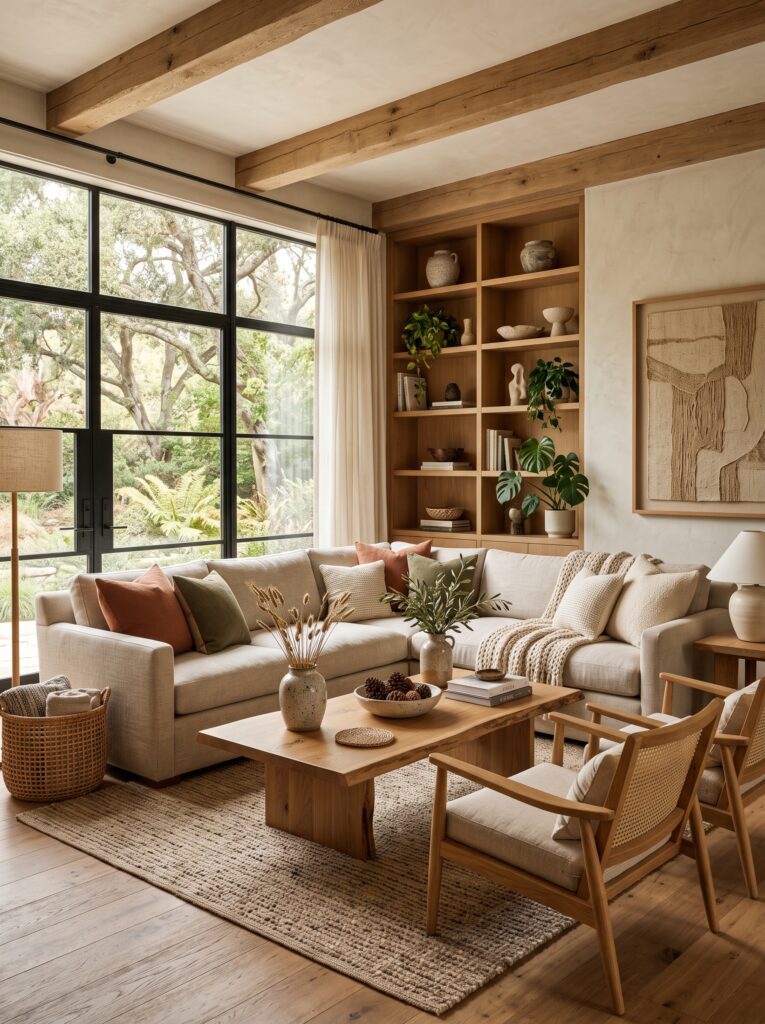
Slow living isn’t about doing everything slowly—it’s about creating a home that encourages mindfulness, comfort, and intentional living. Instead of filling rooms with unnecessary furniture or chasing every new trend, slow living focuses on quality over quantity. Every item has a purpose, every room feels calm, and every detail contributes to a peaceful atmosphere.
Pinterest users are increasingly searching for ideas that make their homes feel like a sanctuary. Searches related to organic modern interiors, cozy neutral homes, mindful decorating, and peaceful living spaces continue to attract homeowners looking for timeless inspiration. The beauty of slow living is that it works in homes of every size, from city apartments to spacious suburban houses.
This guide will show you how to create a home that feels calm, elegant, and effortlessly inviting through the principles of slow living.
What Is Slow Living Home Decor?
Slow living home decor is a design philosophy that prioritizes simplicity, functionality, natural beauty, and emotional well-being. Rather than decorating for appearance alone, every piece is chosen to improve daily life.
A slow living home feels:
- Warm and welcoming
- Light and airy
- Organized but lived-in
- Comfortable rather than formal
- Elegant without feeling expensive
It’s about designing a space where you genuinely enjoy spending time.
Why Slow Living Is Trending in the United States
Many Americans are choosing homes that help reduce stress instead of adding to it. Busy schedules, remote work, and digital overload have increased the desire for peaceful interiors that encourage rest and balance.
This trend has become popular because people want homes that:
- Feel relaxing after work.
- Reduce visual clutter.
- Support mental wellness.
- Reflect timeless style.
- Encourage quality family time.
- Blend beauty with practicality.
Rather than constantly redecorating, homeowners are investing in lasting materials and thoughtful design choices.
Start With a Neutral Color Palette
Color has a significant impact on how a room feels.
Slow living spaces usually feature soft, natural tones inspired by nature.
Popular colors include:
- Warm white
- Cream
- Beige
- Sand
- Taupe
- Mushroom
- Soft gray
- Sage green
- Olive
- Warm brown
These colors reflect natural light beautifully and create a peaceful environment.
Instead of using many bold colors, choose one consistent palette throughout your home to create flow and harmony.
Choose Natural Materials
Nature plays an essential role in slow living interiors.
Natural materials make rooms feel authentic and timeless.
Popular choices include:
- White oak furniture
- Walnut wood
- Travertine stone
- Marble accents
- Linen upholstery
- Cotton fabrics
- Wool throws
- Handmade pottery
- Woven baskets
- Jute rugs
These materials age beautifully and add texture without overwhelming the room.
Prioritize Comfort Over Perfection
One of the biggest differences between traditional luxury and slow living is comfort.
Instead of decorating only for appearance, focus on furniture you genuinely enjoy using.
Look for:
- Deep sofas
- Soft linen slipcovers
- Oversized armchairs
- Plush cushions
- Cozy throws
- Supportive dining chairs
- Comfortable beds with layered bedding
A beautiful home should also feel comfortable every day.
Let Natural Light Be the Star
Natural light instantly makes a home feel healthier and more inviting.
Maximize daylight by:
- Using sheer linen curtains.
- Keeping windows uncluttered.
- Hanging mirrors to reflect sunlight.
- Choosing light-colored walls.
- Avoiding bulky window treatments.
Sunlight highlights natural textures and makes neutral colors feel rich and warm.
Decorate With Intention
Instead of filling every shelf, choose a few meaningful pieces.
Beautiful options include:
- Handmade ceramics
- Family photos
- Vintage books
- Sculptural vases
- Fresh flowers
- Candles
- Natural branches
- Framed artwork
Every decorative item should either bring joy or serve a purpose.
Intentional styling creates a cleaner and more sophisticated look.
Add Greenery Throughout Your Home
Plants are one of the easiest ways to bring life into a slow living space.
Popular indoor plants include:
- Olive trees
- Fiddle Leaf Fig
- Snake Plant
- Monstera
- Rubber Plant
- Peace Lily
- Pothos
- ZZ Plant
Plants improve the atmosphere while adding texture and color naturally.
Create Cozy Everyday Rituals
Slow living isn’t only about furniture—it’s about how you experience your home.
Simple rituals can make your space feel more meaningful.
Ideas include:
- Morning coffee by a sunny window.
- Reading before bedtime.
- Lighting a candle during dinner.
- Fresh flowers every week.
- Playing calming music in the evening.
- Keeping a journal in your favorite chair.
These habits help transform your house into a true home.
Declutter Every Room
Clutter creates visual stress.
One of the foundations of slow living is keeping only what you truly need and love.
Start by removing:
- Broken decor
- Unused furniture
- Old magazines
- Excess pillows
- Random countertop items
- Decorative pieces without purpose
Organized spaces naturally feel larger and more peaceful.
Invest in Quality Instead of Quantity
Rather than buying many inexpensive decorations, choose fewer pieces made from quality materials.
Examples include:
- Solid wood dining tables
- Linen bedding
- Wool rugs
- Ceramic lamps
- Stone coffee tables
- Handcrafted baskets
These items often last longer and create a timeless appearance.
Make Every Room Functional
Every space should support your daily lifestyle.
Examples include:
Living Room
Comfortable seating, layered lighting, and a simple coffee table arrangement.
Bedroom
Soft bedding, blackout curtains, calming colors, and minimal decor.
Kitchen
Open countertops, organized storage, and natural materials.
Bathroom
Spa-inspired towels, wooden accents, candles, and simple organization.
Home Office
Clean desk, ergonomic chair, indoor plant, and soft lighting.
Functionality creates peace because everything has a place.
Layer Soft Textures
Texture adds warmth without adding clutter.
Combine:
- Linen
- Wool
- Cotton
- Bouclé
- Woven rattan
- Natural wood
- Stone
- Handmade ceramics
Mixing textures creates depth while keeping the overall design simple.
Use Warm Ambient Lighting
Lighting dramatically changes the atmosphere of a home.
Instead of relying only on ceiling lights, use:
- Floor lamps
- Table lamps
- Wall sconces
- LED candles
- Decorative lanterns
Warm white bulbs around 2700K create a cozy glow that encourages relaxation.
Bring Nature Indoors
Natural elements make slow living homes feel grounded.
Decorate with:
- Fresh eucalyptus
- Olive branches
- Wooden bowls
- Stone vases
- Dried pampas grass
- Woven baskets
- River stones
- Handmade pottery
These details connect your interior with the beauty of nature.
Common Decorating Mistakes to Avoid
To maintain the peaceful atmosphere, avoid:
- Buying trendy decor every season.
- Filling every shelf with accessories.
- Using too many bold colors.
- Choosing uncomfortable furniture.
- Ignoring storage solutions.
- Mixing too many decorating styles.
- Overusing artificial materials.
Simplicity is what makes slow living feel luxurious.
Why Pinterest Users Love Slow Living Spaces
Pinterest users are drawn to slow living because it combines beauty, comfort, and practicality.
These interiors are highly saved because they:
- Feel timeless.
- Work in homes of every size.
- Photograph beautifully.
- Support healthier lifestyles.
- Reduce stress.
- Blend modern design with everyday comfort.
The calming aesthetic also performs exceptionally well because people often search for inspiration that helps them create peaceful homes rather than simply following short-term trends.
How to Start Your Slow Living Journey
You don’t need to redesign your entire home overnight.
Start small by:
- Decluttering one room.
- Replacing synthetic fabrics with natural materials.
- Adding one indoor plant.
- Choosing warm lighting.
- Creating a cozy reading corner.
- Investing in one quality furniture piece.
- Simplifying your color palette.
Small changes gradually create a home that feels more peaceful every day.
Conclusion
Slow living spaces remind us that true luxury isn’t about owning more—it’s about creating a home that supports your well-being. Through calming colors, natural materials, comfortable furniture, thoughtful organization, and intentional design, you can transform any house into a peaceful retreat.
Whether you’re refreshing a single room or redesigning your entire home, embracing slow living helps you build an environment that feels warm, timeless, and inviting. By focusing on quality, simplicity, and everyday comfort, you’ll create a space that not only looks beautiful but also improves the way you live, relax, and connect with the people who matter most.
- Cool Blue Home Decor: The Sophisticated Color Trend to Try in 2026
- Elegant Early Fall Tablescape Ideas That Feel Expensive, Not Overdone
- Red Marble Powder Room Ideas for a Dramatic 2026 Home
- The Ceiling Is the New Fifth Wall: Elevated Ceiling Ideas for 2026
- Afrohemian Home Decor Ideas That Make a Space Feel Collected and Expensive