
A hidden door is one of the most unexpected ways to add personality, sophistication, and a custom-designed feeling to a home. Unlike traditional doors that immediately announce the entrance to another room, a concealed door blends into its surroundings and creates a seamless architectural feature. The result can feel subtle, luxurious, and even a little mysterious.
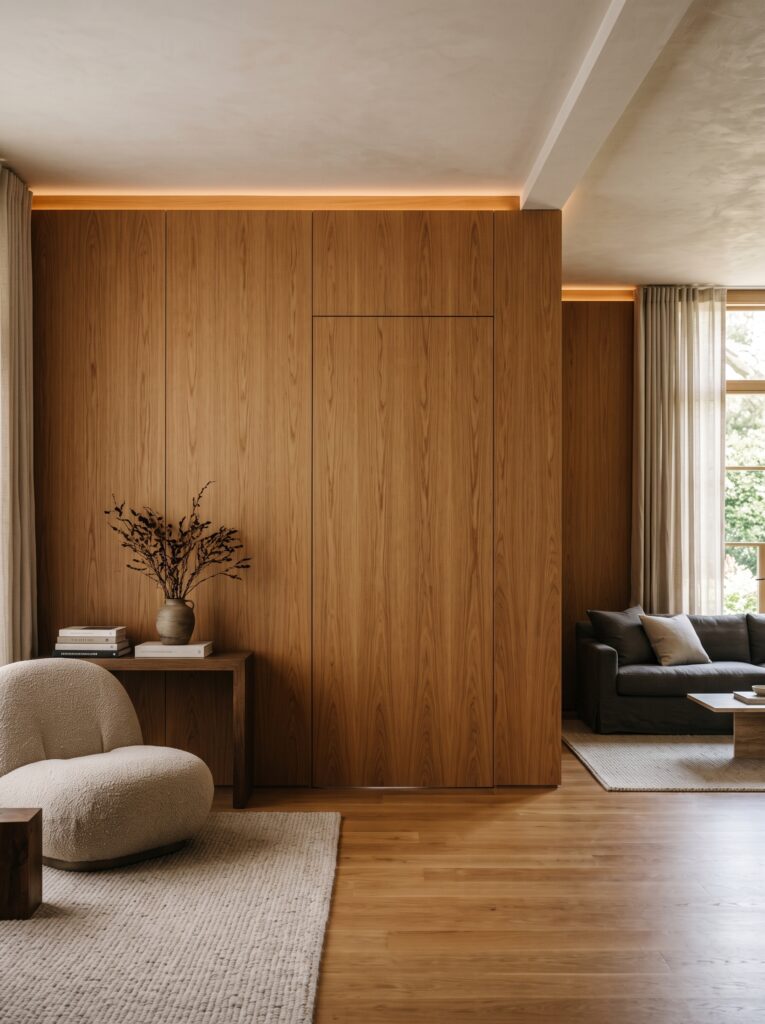
For homeowners in the United States who love unique home decor and elevated interior design, hidden doors offer an exciting way to combine functionality with visual intrigue. A concealed entrance can be integrated into bookshelves, wall paneling, cabinetry, millwork, or even a gallery wall, allowing an ordinary part of the home to become an unexpected design feature.
Whether you’re designing a new home or planning a renovation, these hidden door ideas can inspire creative ways to make your interior feel more personalized and architectural.
Why Hidden Doors Are Such an Appealing Home Design Trend
Most interior doors are designed to stand out. They have visible frames, handles, hinges, and clear boundaries.
A hidden door takes the opposite approach.
Instead of making the entrance noticeable, the design attempts to make it disappear into the surrounding architecture. This creates a cleaner visual appearance and can make a room feel more intentional.
Hidden doors are especially attractive in homes where homeowners want to minimize visual clutter. A seamless door integrated into cabinetry or wall paneling can make an entire wall look more cohesive.
At the same time, the hidden entrance creates an element of surprise that makes the home feel unique.
1. Hidden Door Behind a Bookshelf
One of the most recognizable concealed-door designs is the bookshelf door.
A full-height bookcase can be constructed so that one section functions as a doorway. When the bookshelf is closed, it appears to be part of the surrounding storage.
This design works particularly well in home libraries, offices, living areas, and hallways.
For a sophisticated look, use consistent shelving, matching wood tones, and carefully arranged books and decorative objects. The goal is to make the door look like a natural continuation of the bookshelf.
Avoid making the secret mechanism too obvious. The more seamlessly the bookshelf blends into the room, the more impressive the feature becomes.
2. Hidden Door Within Wall Paneling
Wall paneling provides another excellent opportunity for a concealed entrance.
A door can be covered with the same paneling pattern as the surrounding wall so that the boundaries become difficult to identify.
This approach works beautifully in contemporary, transitional, and luxury interiors.
For example, imagine a hallway with floor-to-ceiling warm oak panels. One section could open into a private office or storage area while visually remaining part of the wall.
The result is sophisticated because the design emphasizes architectural continuity rather than decoration.
3. Concealed Door in Custom Cabinetry
If you have built-in cabinetry, consider integrating a hidden entrance directly into the design.
This can be particularly useful around kitchens, home offices, pantries, dressing areas, and utility spaces.
A concealed pantry door integrated into kitchen cabinetry can create a streamlined appearance by eliminating a visually separate doorway.
For a high-end look, use matching cabinet fronts, hardware, and finishes so the concealed entrance becomes nearly invisible.
4. Secret Home Office Entrance
A hidden office door can be both practical and visually interesting.
If your home office is positioned near a living area, hallway, or library, a concealed entrance can help the workspace feel more private without disrupting the overall design.
A paneled wall or bookshelf can hide the entrance while maintaining a polished appearance.
Inside the office, continue the same design language with built-in storage, natural wood, comfortable furniture, and warm lighting.
This creates a cohesive transition between the visible and hidden areas of the home.
5. Hidden Pantry Door
Kitchen design is another area where concealed doors can be particularly useful.
A hidden pantry door can be integrated into surrounding cabinetry so that the kitchen maintains a clean, uninterrupted appearance.
This is especially attractive in modern kitchens where homeowners want fewer visible doors and handles.
The pantry itself can provide valuable storage for appliances, dry goods, serving pieces, and everyday kitchen supplies while remaining visually hidden from the main living area.
6. Hidden Door in a Hallway
Hallways often contain large uninterrupted walls, making them ideal locations for concealed entrances.
Instead of placing a standard door in the middle of the hallway, you can incorporate the entrance into wall paneling or cabinetry.
This can make the hallway appear more like an intentionally designed architectural corridor rather than simply a passage between rooms.
Use subtle lighting, artwork, and consistent materials to enhance the effect.
7. Hidden Door for a Walk-In Closet
A concealed closet entrance can create a particularly luxurious bedroom design.
Instead of a standard closet door, the entrance can be integrated into full-height cabinetry.
This approach makes the bedroom look cleaner and more custom.
A matching wood finish can make the doorway almost disappear, while soft interior lighting inside the closet creates a beautiful reveal when the door is opened.
8. Concealed Bathroom Entrance
A hidden bathroom door can also work well in certain floor plans.
For example, a bathroom connected to a primary bedroom could have an entrance disguised within a paneled wall.
This works particularly well when the bedroom already features custom millwork.
However, bathroom doors still need to meet practical requirements for privacy, ventilation, accessibility, and appropriate hardware, so the design should balance aesthetics with functionality.
9. Hidden Door Behind Artwork
For a more artistic approach, consider concealing an entrance behind a large framed artwork or decorative wall installation.
This concept works best when the artwork is proportionally large enough to cover the door area and is mounted as part of a properly engineered system.
The surrounding wall should remain visually simple so the artwork does not look suspiciously oversized.
This approach can create a dramatic surprise while giving the room an elegant focal point.
10. Minimalist Flush Hidden Door
If you prefer contemporary interiors, a flush hidden door may be the perfect choice.
Instead of using bookshelves or decorative elements, the door can simply blend into a smooth wall.
The same paint, plaster, or wall finish continues across the door surface, minimizing visible seams.
This is ideal for minimalist homes where the goal is to create a calm and uninterrupted architectural appearance.
A simple concealed handle or push-latch system can complete the look, depending on the specific application and hardware requirements.
Materials That Work Best for Hidden Doors
The surrounding material plays a major role in whether a hidden door looks convincing.
Natural Wood
Wood paneling can create a warm, luxurious appearance. Oak, walnut, and other natural finishes work beautifully in modern and transitional homes.
Painted Millwork
A painted wall with integrated molding can make a concealed entrance almost disappear.
Plaster
A plaster finish can create a seamless organic appearance and works especially well with minimalist and Mediterranean-inspired interiors.
Bookshelves
Bookshelves provide both function and visual camouflage.
Cabinetry
Matching cabinetry can conceal doors in kitchens, offices, closets, and storage areas.
Wallpaper
Wallpaper can sometimes help disguise a door by continuing the same pattern across the surrounding wall, provided the installation is properly detailed.
How to Make a Hidden Door Look Truly Seamless
A concealed door only works visually when the surrounding details are carefully considered.
The door should align with the surrounding design.
Panel spacing should remain consistent.
Shelving should continue naturally across the opening.
Paint or finish should match.
Hardware should be discreet.
Lighting should not unnecessarily highlight the door seams.
Most importantly, avoid placing decorative objects directly around the entrance in a way that makes it look intentionally hidden.
The beauty of a concealed door comes from its subtlety.
Hidden Door Ideas for Small Homes
You don’t need a huge luxury home to use this concept.
In smaller homes, a concealed door can actually help reduce visual clutter.
For example, a compact pantry entrance can be integrated into kitchen cabinetry. A small home office can be hidden behind a flush panel. Storage under stairs can be disguised behind matching millwork.
The concept is less about creating a dramatic “secret room” and more about making functional areas visually disappear.
How to Style a Wall With a Hidden Door
Once the door is installed, resist the temptation to overdecorate the wall.
A simple approach often looks more expensive.
Choose one strong visual element such as:
- A curated bookshelf
- Full-height wood paneling
- Minimal artwork
- Architectural molding
- A plaster finish
- Custom cabinetry
Then allow the architecture to provide the visual interest.
Hidden Doors and Luxury Home Design
Luxury interiors are often defined by details that are not immediately obvious.
Custom millwork, concealed storage, integrated lighting, and seamless architectural transitions can make a home feel more sophisticated without making it look flashy.
A hidden door fits perfectly into this philosophy.
Instead of announcing that something is expensive, the design quietly demonstrates attention to detail.
That is one reason concealed doors work particularly well with the quiet-luxury aesthetic.
Important Practical Considerations
Before adding a hidden door, consider how the space will actually be used.
The door needs to be easy and safe to operate. The hardware must be appropriate for the door’s size and weight, and the surrounding construction should be properly engineered.
If you’re modifying an existing wall, especially if the wall may be structural or contain electrical or plumbing systems, consult a qualified professional before beginning construction.
For larger renovations, local building requirements and professional installation should be considered as part of the planning process.
Conclusion
Hidden doors are a unique way to turn ordinary architecture into a memorable feature. Whether concealed behind a bookshelf, integrated into cabinetry, disguised within wall paneling, or finished with the same plaster as the surrounding wall, a secret entrance can make a home feel custom, sophisticated, and thoughtfully designed.
The best hidden-door designs are not necessarily the most dramatic. They are the ones that blend naturally into the architecture while offering a surprising moment of discovery.
For homeowners looking to create an elevated American interior, this design idea combines functionality, clever space planning, architectural character, and quiet luxury in one unforgettable feature.
- Afrohemian Dining Room Ideas for a Warm, Collected and Sophisticated Home
- Warm Wood and Black Kitchen Ideas for a Timeless Designer Look
- Small Reading Nook Ideas That Turn Forgotten Corners Into a Cozy Luxury Retreat
- Curated Trinket Shelf Ideas: How to Create a Collected and Personal Home
- Neo Deco Entryway Ideas That Make Your Home Feel Instantly Expensive