
Interior arches are one of those architectural details that can completely transform the feeling of a home without requiring an overwhelming amount of decoration. Instead of relying on furniture or accessories to create visual interest, an elegant archway can add softness, character, and architectural depth to an otherwise ordinary interior. From curved doorways and arched openings to recessed niches and rounded wall details, interior arches are a beautiful way to give a home a custom-designed appearance.
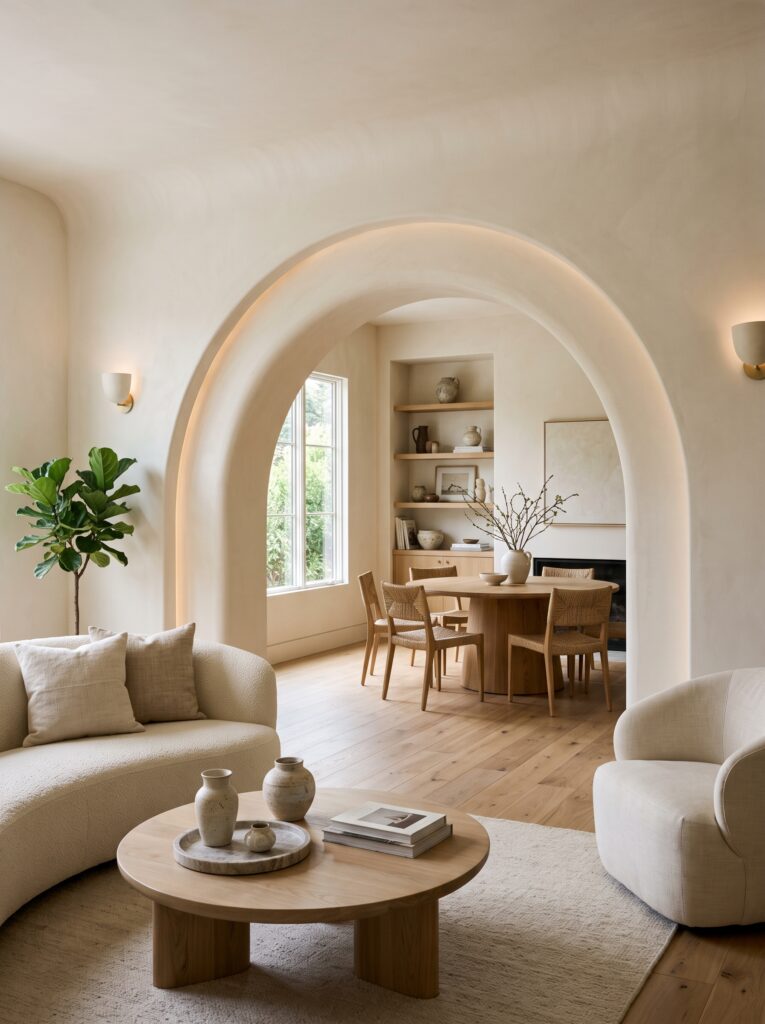
For homeowners in the United States who are looking for timeless home decor ideas, an interior arch can be especially appealing because it works across many different design styles. Whether your home has a modern, organic, Mediterranean, transitional, minimalist, or contemporary aesthetic, the right curved architectural detail can make the space feel more intentional and sophisticated.
Why Interior Arches Are Becoming a Popular Home Design Feature
Straight lines and rectangular doorways have traditionally dominated American home interiors. While these shapes remain timeless, curved architecture offers something different. An arch introduces a softer visual transition between spaces and can make a home feel warmer and more welcoming.
One of the biggest advantages of an interior arch is that it can function as architecture and decoration at the same time. You do not necessarily need a large gallery wall, oversized accessories, or complicated furniture arrangement when the structure of the room already provides visual interest.
Arches can also help create a sense of continuity throughout an open-concept home. Instead of having abrupt transitions between rooms, a curved opening can visually connect the spaces while still giving each area its own identity.
1. Arched Doorways for a Softer Room Transition
One of the most recognizable ways to incorporate this trend is through an arched doorway.
An arched doorway can replace a traditional rectangular opening between two rooms. This works particularly well between a kitchen and dining area, hallway and living space, bedroom and dressing area, or bathroom and bedroom.
For a sophisticated American home, consider keeping the surrounding walls relatively simple. A smooth plaster finish, warm white paint, natural wood flooring, and understated furniture can allow the architectural curve to become the focal point.
If you prefer a modern organic aesthetic, pair the arch with warm neutrals, natural materials, linen textures, and soft lighting.
2. Arched Niches for Functional Decoration
You do not need to completely redesign a doorway to enjoy the beauty of curved architecture.
An arched wall niche can be a much smaller and more flexible option. A recessed niche can be used to display ceramics, artwork, candles, books, decorative objects, or a small plant.
This idea is particularly useful in spaces where a large piece of furniture would feel too bulky.
An arched niche can also create a beautiful backdrop for a bathroom vanity, bedroom styling, hallway display, or dining area. The curved shape adds architectural interest while the recessed design keeps the overall appearance clean and minimal.
3. Curved Wall Openings in Open-Concept Homes
Open-concept homes are popular across the United States, but completely open spaces can sometimes feel visually flat.
A curved opening provides a way to define different areas without completely closing them off.
For example, an arched opening between a kitchen and dining area can maintain the open feeling while creating a subtle visual boundary. Similarly, an arch between a living room and hallway can make the transition feel more intentional.
This is especially effective in homes where you want separation without sacrificing natural light or spaciousness.
4. Use Warm Plaster for an Organic Modern Look
Material choice can dramatically change the personality of an arch.
For an organic modern interior, a warm plaster finish can make the curved architecture look soft and handcrafted. Shades such as warm white, ivory, beige, mushroom, sand, and muted clay can complement natural wood and stone beautifully.
The slight variation of a plaster finish can also make the arch feel less stark than a perfectly smooth painted surface.
Pairing curved architecture with natural materials creates a relaxed aesthetic that feels sophisticated without looking overly formal.
5. Add Natural Wood Around the Arch
Wood is another beautiful material for highlighting curved architecture.
A warm oak or walnut detail around an opening can introduce contrast while keeping the space visually grounded. This works especially well in modern homes where you want to soften white walls and contemporary furniture.
You can use wood flooring, cabinetry, furniture, or subtle trim around the arch rather than making the entire structure heavily decorative.
The goal is balance. A beautiful arch should enhance the room rather than compete with every other element.
6. Create an Arched Entry to a Home Office
If you have a home office that connects to another room, an arched opening can give the workspace a more architectural appearance.
Instead of using a traditional doorway, an open arch can visually separate the office while allowing light to move through the home.
This is especially useful for homeowners who want their office to feel connected to the rest of the house without making it look like a completely separate room.
Add a simple wooden desk, comfortable chair, warm lighting, built-in storage, and minimal artwork to maintain a clean and sophisticated atmosphere.
7. Arched Features in the Bedroom
Curved architecture can also create a softer bedroom environment.
An arched niche behind a bed can act as an architectural alternative to a traditional headboard. You can emphasize the shape with subtle lighting, textured plaster, or a slightly different paint color.
Another option is to use an arched doorway leading into a dressing area or bathroom.
Because bedrooms benefit from softer shapes and calming colors, arches can work particularly well with linen bedding, natural wood, warm neutrals, and layered lighting.
8. Use Arches in the Bathroom
Bathrooms are another excellent place for architectural curves.
An arched shower opening can create a spa-inspired feeling, while an arched niche can provide a stylish place for bath products and decorative accessories.
You can also use a rounded mirror, curved vanity, or arched wall detail to repeat the shape throughout the space.
Repeating curved elements creates visual consistency and helps the bathroom feel intentionally designed rather than randomly decorated.
For a luxury bathroom aesthetic, combine warm stone, light oak, brushed metal fixtures, textured walls, and soft lighting.
9. Mediterranean-Inspired Archways
If you love Mediterranean or European-inspired interiors, arches are almost essential to the aesthetic.
Traditional Mediterranean design often incorporates curved architectural openings, plaster walls, natural stone, wood, and earthy colors.
You can recreate this feeling in a modern American home without copying an entire architectural style.
Try combining a simple plaster arch with warm beige walls, terracotta accents, natural wood, woven textures, handmade ceramics, and greenery.
The result can feel relaxed, timeless, and collected.
10. Modern Minimalist Arches
Arches do not have to look traditional.
A minimalist arch can be extremely sleek and contemporary. Keep the shape simple, eliminate unnecessary trim, and use a monochromatic color palette.
For example, a soft white arch against a slightly warmer white wall can create subtle architectural depth without adding visual clutter.
This approach works beautifully in minimalist and contemporary interiors where the overall goal is simplicity.
How to Style Furniture Around an Interior Arch
Once you introduce a curved architectural feature, furniture placement becomes important.
Avoid placing too many competing statement pieces directly around the arch. Instead, allow enough negative space for the architectural detail to remain visible.
If you have an arched opening between two rooms, position furniture so that the curve remains part of the visual composition.
For example, a neutral sofa, sculptural chair, natural wood table, and minimal accessories can complement the architecture without overwhelming it.
The same principle applies to an arched niche. Instead of filling every inch, choose one or two meaningful decorative objects.
Colors That Work Beautifully With Interior Arches
Neutral colors are particularly effective because they allow the shape itself to become the focal point.
Popular choices include:
- Warm white
- Soft ivory
- Cream
- Beige
- Taupe
- Mushroom
- Sand
- Greige
- Muted terracotta
- Soft clay
For a more dramatic interior, deeper shades such as olive, charcoal, brown, or muted burgundy can emphasize the architecture.
If your home receives plenty of natural light, earthy colors can create a warm and sophisticated atmosphere.
Materials That Complement Curved Architecture
The right materials can make an arch feel even more elevated.
Consider combining curved architectural details with:
Natural wood: Adds warmth and texture.
Stone: Creates an upscale, timeless appearance.
Plaster: Gives the space a handcrafted organic feel.
Limewash: Adds subtle movement and depth to walls.
Linen: Softens the overall interior.
Woven materials: Add natural texture.
Ceramics: Introduce handmade character.
The best interiors usually combine several textures rather than relying on one material throughout the entire space.
Are Interior Arches Practical for American Homes?
Yes, but the practicality depends on the existing structure of the home and the type of arch you want.
A decorative arch can sometimes be incorporated into an existing wall or opening more easily than a structural modification. However, removing or changing walls can involve electrical, plumbing, structural, or building-code considerations.
For major renovations, homeowners should consult an appropriately licensed professional before altering structural walls or openings.
If you want the visual effect without major construction, consider smaller features such as arched mirrors, furniture, niches, artwork, shelving, or decorative wall treatments.
How to Make an Arch Look Expensive Without Overdecorating
The secret to an expensive-looking interior is usually not adding more decoration. It is choosing better proportions, materials, and details.
Keep the color palette cohesive.
Choose natural-looking textures.
Use fewer but more intentional accessories.
Allow negative space around architectural features.
Use warm layered lighting.
Repeat curved shapes subtly throughout the room.
For example, an arched doorway can be paired with a rounded mirror, curved chair, circular side table, and sculptural lamp. You do not need every piece to be curved; just repeating the shape a few times can create visual harmony.
Interior Arch Ideas for Different Home Styles
Modern
Choose clean curves, smooth plaster, neutral colors, and minimal furniture.
Organic Modern
Combine arches with oak, stone, linen, greenery, and warm earthy colors.
Transitional
Pair architectural curves with classic furniture, refined molding, soft neutrals, and elegant lighting.
Mediterranean
Use plaster walls, terracotta, natural stone, warm wood, and handcrafted accessories.
Contemporary
Experiment with oversized arches, dramatic proportions, sculptural furniture, and modern lighting.
Minimalist
Keep the arch simple and allow the architecture to speak for itself.
Conclusion
Interior arches are a beautiful way to introduce architectural personality into a home without depending on excessive decoration. Whether you choose an arched doorway, recessed niche, curved transition, or subtle architectural detail, this design feature can make an ordinary interior feel more intentional, warm, and custom-designed.
For US homeowners searching for timeless home decor ideas, interior arches offer plenty of flexibility because they can complement modern, organic, transitional, Mediterranean, and minimalist interiors. The most successful approach is to keep the architecture visually balanced with natural materials, soft colors, thoughtful lighting, and carefully selected furniture.
A well-designed arch does not need to dominate a room. Sometimes the most elegant architectural details are the ones that quietly change how the entire space feels.
- Afrohemian Dining Room Ideas for a Warm, Collected and Sophisticated Home
- Warm Wood and Black Kitchen Ideas for a Timeless Designer Look
- Small Reading Nook Ideas That Turn Forgotten Corners Into a Cozy Luxury Retreat
- Curated Trinket Shelf Ideas: How to Create a Collected and Personal Home
- Neo Deco Entryway Ideas That Make Your Home Feel Instantly Expensive