
A home gym does not have to feel like a cold, unfinished workout area filled with bulky equipment, rubber flooring, and harsh overhead lighting. In fact, some of the most inviting home workout spaces are designed with the same attention to detail as a beautiful bedroom, home office, or living room.
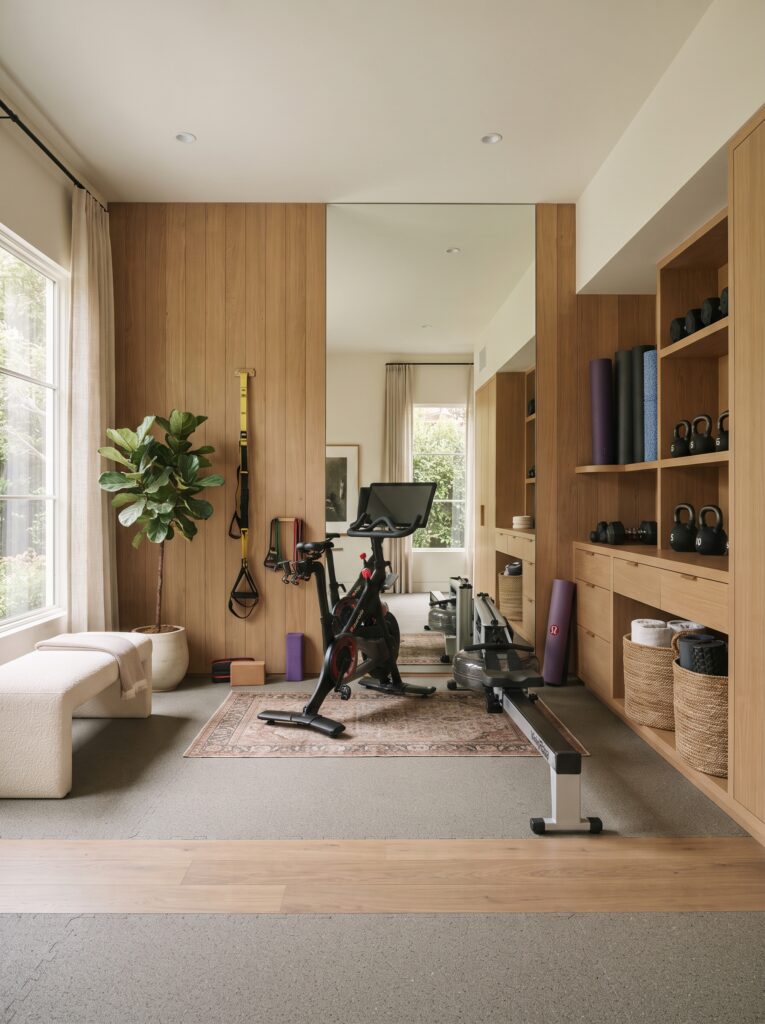
For homeowners across the United States, creating a dedicated workout space has become less about simply fitting exercise equipment into an empty room and more about creating an environment that makes movement feel enjoyable and intentional. Whether you have an entire spare room, a finished basement, a garage conversion, or simply a small corner available, thoughtful design can completely change the experience.
The best home gym ideas combine function, comfort, organization, and aesthetics. The equipment still needs to work, but the room should also feel like a natural part of the home rather than a commercial fitness studio.
If you want a home gym that looks elevated, peaceful, and sophisticated, there are plenty of ways to achieve that without spending a fortune.
Why a Beautiful Home Gym Makes a Difference
The appearance of a workout room can influence how inviting the space feels.
A room that is cluttered, poorly lit, or visually disconnected from the rest of the house may quickly become a place where equipment collects dust. On the other hand, a clean and attractive environment can make daily movement feel more appealing.
This does not mean your home gym needs to look luxurious or professionally designed. It simply needs to feel intentional.
Think about the same principles used in other rooms of the home:
- a cohesive color palette
- good lighting
- comfortable textures
- attractive storage
- balanced furniture placement
- natural materials
- minimal visual clutter
- thoughtful decorative details
When these elements come together, a workout room can feel polished without losing its practical purpose.
Choose a Calm and Sophisticated Color Palette
One of the easiest ways to make a home gym feel more elevated is to move away from overly bright or aggressive colors.
Instead of covering the room in intense reds, neon shades, or busy patterns, consider a quieter palette.
Warm white, soft beige, greige, taupe, muted olive, warm gray, charcoal, and natural wood can create a sophisticated foundation.
A neutral home gym also has another advantage: it can blend more naturally with the rest of your home.
For example, a room with warm white walls, oak shelving, black fitness equipment, and woven accessories can feel modern without looking overly commercial.
If you prefer a darker aesthetic, charcoal or deep olive walls can create a dramatic boutique-fitness atmosphere. Pair darker walls with warm lighting and natural wood so the room does not feel too heavy.
Make the Flooring Part of the Design
Flooring is one of the most important decisions in a home workout room because it needs to be both attractive and practical.
Traditional black rubber flooring is functional, but it is not the only option.
Depending on the type of exercise you plan to do, you might consider:
- rubber workout tiles
- cushioned fitness flooring
- cork
- engineered wood with appropriate exercise mats
- luxury vinyl flooring
- large exercise mats over existing flooring
For strength training or high-impact workouts, durability and shock absorption should come first.
For yoga, stretching, Pilates, or low-impact workouts, a softer and more visually refined surface may be appropriate.
If you already have beautiful flooring in the room, a large neutral workout mat can define the exercise area without completely covering the floor.
This approach works particularly well in multipurpose rooms where the gym needs to look like part of the home.
Use Lighting to Change the Mood
Lighting can make an enormous difference in a home gym.
A single bright ceiling fixture can make the space feel more like a utility room than a place you actually want to spend time in.
Instead, consider layering several types of lighting.
Natural daylight should be used whenever possible. If your room has windows, avoid blocking them with large equipment.
For artificial lighting, consider a combination of:
- recessed ceiling lights
- decorative wall sconces
- soft LED lighting
- adjustable task lighting
- concealed shelf lighting
- dimmable fixtures
Warm lighting can make the room feel more comfortable during evening workouts.
For a more energetic morning environment, natural daylight paired with clean overhead lighting can keep the space bright without making it feel harsh.
A beautiful light fixture can also act as a decorative feature. In a home gym designed with neutral colors and natural materials, a sculptural ceiling light can add personality without taking up floor space.
Create a Dedicated Workout Zone
Even if your home gym is large, avoid randomly placing equipment around the room.
Instead, create clear zones.
One side of the room could be dedicated to strength training. Another area could be reserved for yoga or stretching. A wall could hold resistance bands, weights, or other small equipment.
A simple zoning approach might include:
Strength Zone:
Dumbbells, adjustable weights, bench, or compact strength equipment.
Cardio Zone:
Treadmill, bike, rowing machine, or another preferred cardio machine.
Mobility Zone:
Yoga mat, foam roller, stretching strap, and small accessories.
Storage Zone:
Shelving, cabinets, hooks, baskets, and equipment organizers.
This makes the room easier to use and prevents the entire floor from becoming one large equipment area.
Keep Large Equipment Visually Controlled
Large exercise machines can quickly dominate a room.
If your gym includes a treadmill, elliptical, stationary bike, or rowing machine, think carefully about where it will be positioned.
Avoid placing every large piece directly in the center.
Whenever possible, position bulky equipment along a wall while keeping an open central area for movement.
This creates visual breathing room.
If the room is small, choose equipment that can be folded, moved, or stored vertically when not in use.
A compact home gym does not need to contain every possible piece of equipment. A carefully selected collection can be more functional than a room overflowing with machines.
Add a Full-Length Mirror
A full-length mirror is one of the most useful additions to a home workout space.
It can help you check posture and form during certain exercises, but it also makes the room feel larger and brighter.
Instead of using a basic frameless gym mirror, consider a more refined design if it suits the room.
A thin black frame can complement modern equipment, while a warm wood frame can soften a neutral home gym.
You can also create a wall of mirrors if the room allows it, particularly in spaces designed for dance, Pilates, yoga, or functional training.
The key is to make the mirror feel like an intentional design element rather than an afterthought.
Bring in Natural Wood
Natural wood is an easy way to make a workout room feel warmer.
Fitness equipment often contains black metal, dark rubber, and synthetic materials. Adding wood creates contrast and prevents the room from feeling too industrial.
You could introduce wood through:
- floating shelves
- storage cabinets
- benches
- a small console
- pegboard frames
- wall hooks
- decorative stools
- framed artwork
Oak, walnut, and other warm wood tones work particularly well with neutral interiors.
Even a single wooden bench can make a noticeable difference.
Add Closed Storage Wherever Possible
Beautiful home gym design is largely about controlling clutter.
Resistance bands, towels, water bottles, yoga blocks, dumbbells, straps, and small accessories can quickly make a room look chaotic.
Closed storage is therefore extremely valuable.
Use cabinets, drawers, baskets, and storage benches to hide smaller items.
Open shelving can still be useful, but it should be reserved for attractive or frequently used items.
For example, a shelf might display neatly rolled towels, a few woven baskets, and carefully arranged yoga accessories.
The goal is not to hide everything. The goal is to create a visual balance between open and concealed storage.
Use a Storage Wall
If you have limited floor space, use the walls.
A vertical storage system can hold many fitness accessories without taking up valuable walking space.
Wall-mounted hooks can hold resistance bands, jump ropes, or towels.
Shelves can store yoga blocks and small equipment.
Pegboards can provide flexible storage for frequently used accessories.
A tall cabinet can keep larger equipment organized while using vertical space.
This is particularly useful for smaller home gyms where every square foot matters.
Make the Equipment Look Intentional
You do not necessarily need designer fitness equipment to create an expensive-looking room.
The trick is to choose equipment with a relatively cohesive appearance.
If possible, keep major pieces within a consistent visual palette.
Black, charcoal, gray, cream, or wood-toned equipment can work beautifully with a neutral interior.
Avoid buying many unrelated pieces simply because they are available.
A smaller collection of equipment that fits your actual workout routine will usually look cleaner and be easier to maintain.
Add a Comfortable Bench
A simple bench can serve several purposes in a home gym.
It can provide a place to sit while putting on shoes, act as workout equipment, or offer additional storage if it has a hidden compartment.
Choose a bench that complements the room.
A wood bench can introduce warmth, while an upholstered bench can make a dedicated workout room feel more residential.
For a small gym, a storage bench can be especially practical because it combines seating and organization.
Incorporate Soft Textures
Fitness rooms can easily become dominated by hard surfaces.
Metal equipment, mirrors, flooring, and walls can create a visually cold environment.
Soft textures help balance that effect.
Consider adding:
- washable towels
- woven baskets
- a small upholstered bench
- linen curtains
- a soft window shade
- a neutral rug in a non-workout zone
- textured storage containers
Be selective with rugs around workout equipment. They should never interfere with safe movement or equipment stability.
The purpose of texture is primarily visual and atmospheric.
Add Greenery
Plants can make a home gym feel significantly more alive.
A large indoor plant placed in an empty corner can soften the architecture and introduce natural color.
If the room receives enough sunlight, consider plants that suit the available conditions.
For lower-light rooms, choose appropriate low-light varieties rather than forcing a plant into an unsuitable environment.
If you do not want the maintenance of real plants, a high-quality artificial plant can still provide the visual effect.
A simple ceramic planter can also become a decorative feature.
Use Artwork Instead of Typical Gym Quotes
Not every home gym needs a giant motivational quote on the wall.
If your goal is an elegant, sophisticated interior, artwork can create a more timeless appearance.
Consider:
- abstract prints
- botanical artwork
- minimalist photography
- architectural sketches
- black-and-white prints
- calming landscape artwork
Choose pieces that complement the rest of your home.
This makes the gym feel like a genuine room rather than a separate fitness facility.
Create a Boutique Hotel Feeling
If you want a luxury-inspired home gym, borrow ideas from boutique hotels and high-end wellness spaces.
Think about what makes those environments feel special.
Usually, it is not one expensive object. It is the combination of several small details.
A boutique-inspired gym might feature:
- warm neutral walls
- natural wood
- soft lighting
- elegant storage
- neatly folded towels
- a full-length mirror
- simple artwork
- a beautiful water station
- minimal clutter
- carefully selected equipment
You can create the same atmosphere at home by focusing on consistency.
Add a Small Refreshment Station
A dedicated water area can make the room feel more complete.
You do not need a full beverage bar.
A small console or narrow shelf can hold a water dispenser, glass bottles, towels, and a few practical accessories.
If you have enough space, a compact mini refrigerator can also be useful.
Keep the area simple and organized.
A few matching bottles or glasses can look much more polished than a collection of unrelated plastic containers.
Design a Relaxation Corner
A home gym does not have to be entirely about intense workouts.
If space allows, create a small recovery corner.
A comfortable chair, meditation cushion, bench, or simple floor mat can create a dedicated area for stretching, breathing exercises, or cooling down.
This is particularly useful for people who enjoy yoga, Pilates, mobility work, or meditation.
A small plant and soft lighting can make this corner feel almost spa-like.
Small Home Gym Ideas for Limited Spaces
Not everyone has an entire spare bedroom available for fitness.
A small home gym can work beautifully when the design is carefully planned.
Consider transforming:
- part of a home office
- an unused corner
- a finished basement area
- part of a guest room
- a large closet
- an enclosed porch
- a garage section
- an underused hallway area
Foldable equipment can be particularly useful.
A wall-mounted rack, adjustable dumbbells, resistance bands, a yoga mat, and a compact bench can provide plenty of workout possibilities without requiring a huge room.
The most important principle is to prioritize the exercises you actually perform.
Make a Garage Gym Feel More Like a Home
Garage gyms are practical, but they can sometimes feel unfinished.
If you are converting a garage into a workout space, focus on the same details you would use indoors.
Improve the lighting.
Paint the walls.
Use durable flooring.
Add organized storage.
Introduce wood or warm materials.
Use large mirrors strategically.
Keep cables and equipment organized.
If possible, create a comfortable temperature-controlled environment appropriate for the space.
A few intentional design choices can transform a basic garage gym into a polished home wellness area.
Basement Home Gym Ideas
Basements can make excellent workout spaces because they often provide generous floor area.
However, many basements have limited natural light.
Use lighting strategically to compensate.
Layered lighting, light-colored walls, mirrors, and reflective surfaces can help the room feel more open.
If your basement has exposed structural elements, you do not necessarily need to hide everything. A carefully designed industrial-modern aesthetic can work beautifully.
Combine darker elements with warm wood, soft lighting, and neutral accessories for a sophisticated result.
Home Gym Ideas for Women
A stylish home gym can also be feminine without relying on overly decorative elements.
Soft neutrals, warm beige, muted blush, cream, natural wood, and brushed-metal details can create a refined atmosphere.
You might add a small vanity-style storage area for workout accessories, a beautiful mirror, elegant baskets, or a comfortable bench.
The design should ultimately reflect the homeowner’s personality rather than following a specific gendered formula.
Keep the Room Easy to Clean
A beautiful home gym is only useful if it is easy to maintain.
Choose surfaces that can be wiped down easily.
Use washable towels.
Keep cleaning supplies accessible but discreetly stored.
Avoid excessive decorative objects around areas where you exercise.
A simple cleaning routine can keep the space looking fresh.
After a workout, return equipment to its designated storage area, wipe down frequently touched surfaces, and keep the floor clear.
Small habits make a noticeable difference over time.
Luxury Home Gym Ideas on a Budget
Creating an expensive-looking gym does not require an expensive renovation.
Start with the visual foundation.
A fresh coat of paint can transform the room.
Then improve the lighting.
Next, organize the equipment.
After that, introduce a few carefully selected decorative elements.
Instead of purchasing dozens of accessories, invest in a few pieces that have a strong visual impact.
For example, one beautiful mirror, one quality storage unit, and one attractive light fixture may create more impact than many inexpensive decorations.
This is the basic principle of affordable luxury: fewer, better-looking elements with intentional placement.
Keep Technology Organized
Modern home gyms often include tablets, televisions, speakers, charging cables, fitness trackers, and other technology.
Without organization, these items can quickly create visual clutter.
Use cable-management solutions to keep wires under control.
Mount screens securely and position them where they are easy to view without interfering with exercise.
A small charging station can keep devices together.
If you use a television for workout classes, consider making it part of the overall composition rather than allowing it to become the dominant feature of the room.
Create a Morning-Friendly Environment
If you usually exercise early in the morning, design the room around that routine.
Natural light is ideal when available.
Keep frequently used equipment easy to access.
Place towels and water bottles in convenient locations.
Use lighting that feels bright enough to wake you up without being unnecessarily harsh.
The easier it is to begin your workout, the less friction there is between deciding to exercise and actually doing it.
Create an Evening-Friendly Environment
Evening workouts call for a slightly different atmosphere.
Warm lighting, darker accents, and comfortable textures can make the room feel inviting.
A dimmable light fixture can be particularly useful.
You can create separate lighting levels for workouts, stretching, and relaxation.
This turns the room into a more versatile wellness space rather than a single-purpose fitness room.
Avoid These Common Home Gym Design Mistakes
Even a large room can feel poorly designed if the layout is not considered carefully.
One common mistake is buying equipment before deciding how the room will function.
Another is filling every available wall with storage.
Too much open shelving can also create visual clutter.
Extremely bright lighting can make the room uncomfortable.
Another issue is choosing aesthetics over safety.
The floor, equipment placement, electrical setup, ventilation, and clear movement areas should always be considered before decorative details.
The most attractive home gym is ultimately one that works well.
A Simple Formula for a Beautiful Home Gym
If you are starting from scratch, use this simple design formula:
1. Choose the workout purpose.
Decide whether the room is primarily for strength training, cardio, yoga, Pilates, or a combination.
2. Select the color palette.
Keep it calm and cohesive.
3. Plan the zones.
Create dedicated areas for exercise, storage, and recovery.
4. Choose practical flooring.
Prioritize safety and durability.
5. Improve the lighting.
Use natural light and layered artificial lighting.
6. Add storage.
Keep equipment organized and accessible.
7. Introduce natural materials.
Wood, woven baskets, and plants can soften the room.
8. Add one or two decorative focal points.
A mirror, artwork, or statement light can provide personality.
9. Keep the center open.
Give yourself enough room to move comfortably.
10. Edit the room regularly.
Remove equipment and accessories that you no longer use.
How to Make Your Home Gym Feel Like Part of the House
One of the most effective design strategies is to treat the gym as another room rather than a completely separate environment.
If your home uses warm woods, repeat that material in the gym.
If your home features neutral textiles, bring similar tones into the workout space.
If your other rooms use brass or matte black hardware, consider repeating that finish.
This visual continuity makes the home gym feel intentional.
Instead of asking, “How can I make this room look like a gym?” ask:
“How can I make a beautiful room that happens to be designed for exercise?”
That shift in thinking can completely change the final result.
Conclusion
A beautiful home gym does not need to look like a commercial fitness center or an unfinished garage. With the right layout, calming colors, thoughtful storage, attractive lighting, natural materials, and carefully selected equipment, a workout space can become one of the most enjoyable rooms in the home.
The key is to balance aesthetics with function. Start by deciding how you actually use the space, then build the design around those habits. Keep equipment organized, leave enough room for movement, and use decorative details to create warmth rather than unnecessary clutter.
Whether you are designing a spacious basement gym, a converted garage, a spare bedroom workout room, or a compact fitness corner, the same principle applies: a well-designed environment can make everyday movement feel more comfortable, intentional, and inviting.
Instead of filling the room with equipment simply because you have the space, choose pieces that support your routine and complement your home’s overall style. Add warm lighting, natural textures, organized storage, and a few beautiful details, and your home gym can feel less like a utility area and more like a private wellness retreat.
For homeowners looking for home gym ideas, stylish workout room ideas, small home gym ideas, luxury home gym inspiration, and home gym decor ideas, this approach offers a practical way to create a space that looks sophisticated while still working hard for everyday life.
- Cozy Outdoor Living Ideas for Chilly Fall Evenings
- Wallpaper Ideas That Turn a Forgotten Space Into a Design Moment
- Beautiful Home Gym Ideas That Don’t Look Like a Garage Workout Space
- Walk-In Closet Ideas That Make Everyday Dressing Feel Luxurious
- Elegant Fall Front Porch Ideas That Feel Warm, Not Overdone