
If your home feels a little flat, unfinished, or too predictable, you may not need new furniture or an expensive renovation. Sometimes, the most transformative change is simply color.
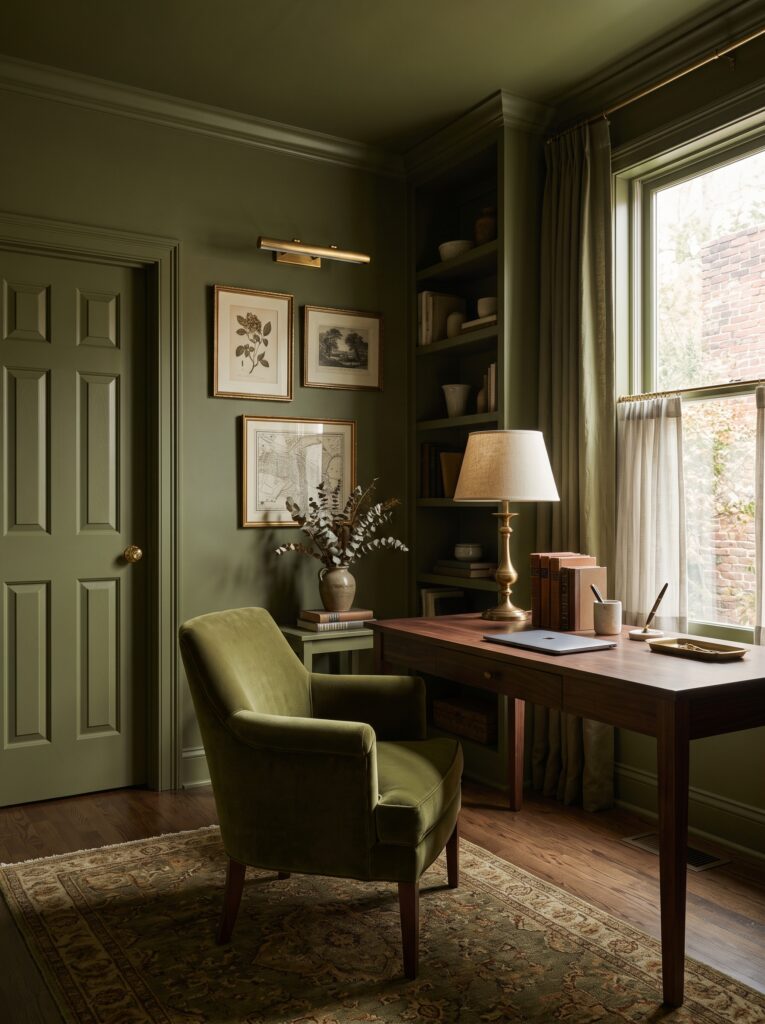
One of the most eye-catching interior design techniques gaining attention is color drenching. Instead of using one color only on the walls, color drenching involves carrying the same or closely related shade across multiple surfaces—walls, trim, doors, ceilings, and sometimes even furniture.
The result is an immersive room that feels intentional, sophisticated, and surprisingly luxurious.
Unlike a traditional accent wall, color drenching surrounds the room with one dominant hue. This creates a cocoon-like atmosphere and gives even ordinary spaces a more architectural, designer-inspired appearance.
If you’re searching for color drenching ideas, interior paint ideas, modern home decor trends, designer home inspiration, or 2026 interior design trends, this guide will show you exactly how to use this technique throughout your home.
What Is Color Drenching?
Color drenching is an interior decorating technique where a single color is applied across multiple surfaces within a room.
Instead of having:
Colored wall + white trim + white door + white ceiling
you might have:
Blue wall + blue trim + blue door + blue ceiling
The idea is to visually blend the architectural elements together.
This creates a stronger sense of continuity and can make a room feel more dramatic and sophisticated.
The color doesn’t always have to be exactly identical on every surface. You can also use closely related shades from the same color family for a softer interpretation.
Why Color Drenching Is So Popular
Traditional decorating often separates walls, trim, ceilings, and doors by using different colors.
Color drenching takes the opposite approach.
It creates visual continuity.
This can make a room feel:
- More intentional
- More immersive
- More sophisticated
- More dramatic
- More cohesive
- More designer-inspired
It can also make architectural features feel less visually fragmented.
For homeowners who want their interiors to feel unique rather than generic, color drenching offers an easy way to make a strong design statement.
1. Start With a Soft Blue
Soft blue is an excellent choice if you want color drenching without making the room feel too intense.
Consider shades such as:
- Dusty blue
- Powder blue
- Blue-gray
- Muted denim
- Soft slate
- Pale coastal blue
Paint the walls, trim, doors, and ceiling in the same color family.
Then introduce cream upholstery, warm wood furniture, and natural textures.
This creates an elegant atmosphere that feels calm rather than overwhelming.
2. Try Deep Olive Green
Olive green is ideal for homeowners who want a richer, nature-inspired room.
A color-drenched olive green home office can feel sophisticated and grounded.
Pair it with:
- Walnut furniture
- Brass lighting
- Cream textiles
- Natural linen
- Botanical artwork
The combination feels especially beautiful in rooms with traditional architectural details.
3. Make a Statement With Chocolate Brown
Brown interiors have become increasingly popular among homeowners who want warmth and depth.
A chocolate-brown color-drenched room can feel intimate and luxurious.
Use it in:
- Home libraries
- Bedrooms
- Dining rooms
- Offices
- Cozy living rooms
Balance the dark color with lighter furniture, cream textiles, warm lighting, and natural wood.
The result can feel like a sophisticated boutique hotel.
4. Use Terracotta for a Warm Atmosphere
Terracotta is another beautiful color-drenching option.
Its earthy undertones make it particularly suitable for homes with natural materials.
Pair terracotta walls with:
- Cream furniture
- Light oak
- Linen curtains
- Handmade ceramics
- Woven accessories
This creates a warm Mediterranean-inspired atmosphere without requiring an elaborate renovation.
5. Try Soft Lavender
If you want something unexpected, consider muted lavender.
A sophisticated lavender can work beautifully in:
- Bedrooms
- Dressing rooms
- Reading areas
- Home offices
Choose a dusty or gray-based lavender instead of an extremely bright purple.
Pair it with:
- Cream
- Warm white
- Light oak
- Soft gray
- Aged brass
This creates a romantic but contemporary atmosphere.
6. Color Drench a Small Bathroom
Small bathrooms are perfect for experimenting with color drenching.
Because the room is compact, you can create a dramatic visual effect without purchasing a lot of furniture.
Try using one color across:
- Walls
- Door
- Trim
- Vanity
- Ceiling
For an especially luxurious look, add brass hardware, a sculptural mirror, and warm lighting.
A small powder room can become one of the most memorable spaces in your home.
7. Create a Color-Drenched Bedroom
Bedrooms are particularly suited to this technique because the immersive color can create a cozy, cocoon-like atmosphere.
Start with one calming shade.
Good options include:
- Dusty blue
- Sage green
- Warm beige
- Muted brown
- Soft gray
- Deep olive
Carry the color across the walls, trim, doors, and ceiling.
Then use contrasting bedding to create visual balance.
For example, a deep green bedroom can be softened with ivory bedding and natural wood nightstands.
8. Make Your Home Office More Inspiring
Home offices can sometimes feel bland because they are designed around functionality.
Color drenching immediately gives the space more personality.
A deep green or muted blue office can create a sophisticated backdrop for your desk.
Add:
- Warm wood furniture
- Brass lamp
- Cream chair
- Framed artwork
- Books
- Natural greenery
The result feels polished enough for video meetings while still being comfortable for everyday work.
9. Color Drench Your Dining Room
Dining rooms are another excellent place for a dramatic color treatment.
Consider a deep:
- Navy
- Olive
- Burgundy
- Chocolate
- Charcoal
Then add warm lighting and a contrasting dining table.
A color-drenched dining room can feel intimate and elegant during evening dinners.
A large chandelier or pendant light can become the finishing statement.
10. Don’t Forget the Ceiling
The ceiling is one of the most important parts of true color drenching.
Leaving it white can interrupt the immersive effect.
Painting the ceiling in the same color creates a much stronger visual envelope.
If you’re nervous about painting your ceiling a dark shade, start with a lighter color.
For example:
Soft blue walls + slightly lighter blue ceiling
This provides the same effect while maintaining an airy atmosphere.
11. Paint the Trim Too
White trim is often used automatically in American homes.
But with color drenching, matching the trim to the walls creates a much more sophisticated appearance.
Paint:
- Baseboards
- Door frames
- Window trim
- Crown molding
in the same or a closely related color.
This allows the architecture to blend together.
12. Match the Doors
Doors are often overlooked when decorating.
Painting your interior doors the same color as the surrounding walls can create a surprisingly high-end look.
This works especially well in:
- Hallways
- Bedrooms
- Offices
- Powder rooms
The result feels intentional and architectural.
13. Use Tonal Furniture
You don’t necessarily need every piece of furniture to match the wall color.
Instead, choose furniture within the same color family.
For example:
Olive walls + sage chair + moss-colored cushion
or
Blue walls + dusty blue sofa + navy accessories
This creates tonal depth without making the room feel flat.
14. Introduce Contrasting Textures
Color drenching can sometimes create a very uniform visual field.
Texture prevents that from happening.
Add:
- Bouclé
- Linen
- Velvet
- Wool
- Wood
- Stone
- Ceramic
For example, a chocolate-brown room becomes much more interesting when you combine matte painted walls with a velvet chair, wool rug, linen curtains, and natural wood furniture.
15. Balance Dark Color With Light Materials
If you choose a deep color, you need contrast.
A dark green room can become beautiful with cream furniture.
A navy room can be softened with pale oak.
A chocolate room can be balanced with ivory textiles.
The goal isn’t to eliminate contrast but to control it.
16. Use Lighting to Transform the Color
Paint colors can look dramatically different depending on lighting.
Natural daylight may make a color look lighter and cooler.
Warm evening lighting may make it appear richer and deeper.
Before committing to a full room, test the color at different times of day.
Pay attention to:
- Morning light
- Afternoon sunlight
- Evening lamps
- Overhead lighting
This is particularly important for dark or saturated colors.
17. Color Drenching in Apartments
Color drenching isn’t limited to large houses.
It can be especially effective in apartments.
A small apartment room painted in one soft color can feel more cohesive because there are fewer visual interruptions.
Good apartment choices include:
- Soft beige
- Dusty blue
- Sage
- Warm taupe
- Muted terracotta
Use furniture with simple silhouettes to avoid making the room feel crowded.
18. Use Color Drenching in Hallways
Hallways are often ignored when decorating.
A dramatic color can turn them into an architectural feature.
Try a deep green, warm brown, or sophisticated blue.
Continue the color across the doors and trim.
Then add:
- Wall sconces
- Artwork
- A runner
- Small decorative objects
A previously boring hallway can become one of the most memorable areas of the house.
19. Color Drenching Doesn’t Have to Be Dark
One common misconception is that color drenching only works with dramatic colors.
It doesn’t.
Light shades can create an equally beautiful effect.
Consider:
- Warm ivory
- Pale blush
- Soft blue
- Light sage
- Warm beige
- Dusty lavender
The result is softer and more subtle.
This approach works especially well in bedrooms, nurseries, and minimalist homes.
20. Choose the Right Finish
The finish of your paint can affect how sophisticated the final room looks.
Matte or low-sheen finishes often create a soft, contemporary appearance.
Higher-sheen finishes can be useful on trim and doors, but the exact finish should depend on the surface and the desired effect.
For a modern luxury look, consistency is important.
Avoid using dramatically different finishes without a reason.
21. Add Natural Materials
Natural materials make color-drenched rooms feel warmer.
Pair painted surfaces with:
- Oak
- Walnut
- Rattan
- Jute
- Linen
- Stone
- Clay
These materials create contrast against the uniformity of the paint.
A green room with walnut furniture and linen curtains, for example, can feel incredibly sophisticated.
22. Create a Luxury Look With Brass
Brass is particularly beautiful against deep colors.
Try:
- Brass sconces
- Cabinet handles
- Table lamps
- Picture frames
- Curtain rods
Warm metallic accents create a subtle glow against green, blue, brown, and terracotta.
Keep the metallic elements consistent throughout the room for a cohesive appearance.
23. Color Drenching for a Rental
If you’re renting, traditional painting may not always be possible.
You can recreate the concept using removable elements.
Try:
- Removable wallpaper
- Matching curtains
- Large textile panels
- Temporary wall treatments
- Coordinated furniture
- Tonal accessories
You won’t get exactly the same architectural effect, but you can still create a cohesive color story.
24. How to Avoid Making Color Drenching Look Too Heavy
If your room starts feeling overwhelming, introduce more breathing room.
Use:
- Lighter furniture
- Cream textiles
- Mirrors
- Natural wood
- Soft lighting
- Minimal accessories
Avoid filling every wall and surface with decorative objects.
The simplicity actually makes the color look more luxurious.
25. The Best Color Drenching Combinations
Here are several sophisticated palettes to consider.
Sage Green + Cream + Walnut
Natural and calming.
Dusty Blue + Ivory + Oak
Fresh and elegant.
Chocolate Brown + Cream + Brass
Warm and luxurious.
Olive Green + Beige + Walnut
Rich and timeless.
Terracotta + Linen + Light Wood
Warm and earthy.
Charcoal + Ivory + Brass
Dramatic and modern.
Muted Lavender + Cream + Oak
Soft and unexpected.
26. Color Drenching on a Budget
One of the biggest advantages of this technique is that it can create a dramatic transformation without replacing furniture.
Instead of buying an entire new room, focus on paint.
Then rearrange your existing furniture and add a few affordable accessories.
A new:
- Lamp
- Rug
- Pillow
- Curtain
- Artwork
may be enough to complete the transformation.
27. Mistakes to Avoid
Choosing a Color Without Testing It
Always test paint before committing.
Ignoring Lighting
Natural and artificial light dramatically affect color.
Using Too Many Accent Colors
Too many competing colors can weaken the monochromatic effect.
Forgetting the Ceiling
A white ceiling can interrupt the immersive appearance.
Overdecorating
Let the color itself become part of the design.
Matching Everything Too Literally
Use tonal variation rather than making every item identical.
Conclusion
Color drenching is a simple yet powerful decorating technique that can make an ordinary room feel more intentional, immersive, and designer-inspired. By extending one beautiful color across walls, trim, doors, and even the ceiling, you can create a cohesive atmosphere with far more visual impact than a traditional accent wall. Whether you choose soft blue, sophisticated olive green, rich chocolate brown, warm terracotta, muted lavender, or another carefully selected shade, the key is to balance the color with natural wood, elegant textiles, warm lighting, and contrasting materials. You don’t need an expensive renovation to achieve the look—sometimes a thoughtful paint choice and a few well-styled accessories are enough to completely transform a space. For homeowners searching for color drenching ideas, interior paint inspiration, modern home decor trends, designer decorating techniques, and 2026 interior design ideas, this approach offers a creative way to make your home feel distinctive, sophisticated, and beautifully personalized.
- Moody Blue Room Ideas for a Sophisticated Cozy Home
- White Oak and Black Kitchen Ideas for a Modern Timeless Home
- The Garden Patio Ideas That Make Outdoor Spaces Feel Magical
- Dark Cottagecore Kitchen Ideas With Timeless Charm
- Warm Wood Kitchen Ideas That Make a Home Feel Instantly Expensive